Why Dancers Have Superior Body Awareness (According to Science)
Body awareness is often talked about as intuition or natural talent, yet science paints a much more detailed picture. Dance training reshapes how the brain and body communicate, sharpening perception in ways that extend far beyond technique. Moving through space with intention demands constant feedback, adjustment, and interpretation of internal signals. Over time, this process refines awareness until it becomes second nature.
What makes dancers stand out is not just flexibility or strength, but the precision with which movement is sensed and controlled. Science explains this precision through changes in neural processing, sensory integration, and motor coordination. Body awareness becomes a learned skill, strengthened through repetition, attention, and experience rather than chance.
Body Awareness as a Trainable Skill
Body awareness refers to the ability to sense position, movement, and internal state. This includes knowing where limbs are without looking, recognizing subtle shifts in balance, and responding quickly to changes in momentum. Dance places continuous demands on these abilities, treating awareness as an active skill rather than a passive sensation.
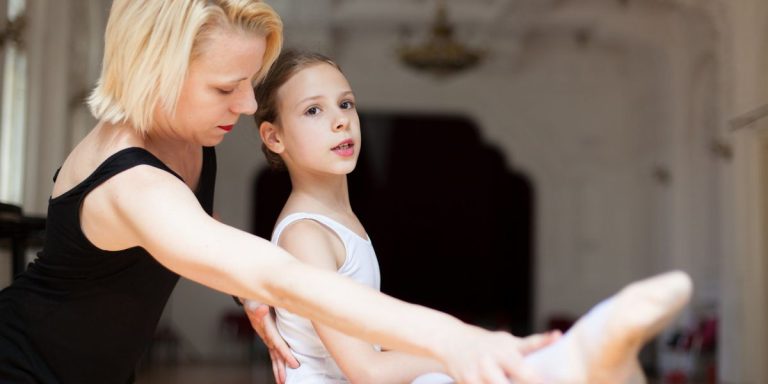
Training reinforces awareness by requiring constant self-monitoring. Alignment, weight transfer, and timing demand attention to detail. Each correction refines perception, teaching the nervous system to detect smaller deviations.
Science shows that skills requiring precise sensory feedback improve with use. Dance creates an environment where awareness is practiced deliberately, strengthening the systems responsible for internal sensing.
Proprioception and Neural Sensitivity
Proprioception is the sense that allows awareness of body position and movement. Specialized receptors in muscles, joints, and tendons send information to the brain about stretch, tension, and orientation. Dance training amplifies sensitivity to this information.
Repeated movement patterns strengthen neural pathways associated with proprioceptive input. The brain becomes more efficient at interpreting signals from the body. Studies show that trained movers often demonstrate more accurate joint position sense than non-dancers.
This heightened sensitivity allows dancers to make micro-adjustments in real time. Movements feel guided from within rather than corrected from outside, reflecting a refined internal feedback loop.
The Brain’s Body Map
The brain maintains a representation of the body known as the somatosensory map. This map allocates more neural resources to areas that require fine control or frequent use. Dance reshapes this map through sustained attention and movement diversity.
Areas involved in balance, foot placement, and coordination receive increased representation. This neural emphasis enhances discrimination between similar sensations. Subtle differences in pressure or alignment become easier to detect.
Scientific imaging studies suggest that extensive motor training alters cortical organization. Dance encourages a detailed and responsive body map, supporting precise control and awareness.
Attention and Sensory Focus
Body awareness depends heavily on attention. Dance demands focused awareness of internal sensations while simultaneously tracking external cues such as music and space. This dual focus trains the brain to integrate sensory information efficiently.
Attention amplifies perception. When focus is directed toward sensation, neural signals become clearer. Dance repeatedly reinforces this attentional pattern, strengthening awareness through deliberate focus.
Over time, attention becomes less effortful. Awareness remains present even during complex movement, reflecting a well-trained sensory system.
Balance and Vestibular Adaptation
Balance relies on the vestibular system, which senses head position and movement. Dance challenges this system constantly through turns, shifts in level, and changes in direction. These challenges stimulate adaptation.
Training improves the brain’s ability to integrate vestibular information with proprioceptive and visual cues. Dancers develop faster and more accurate balance responses. Scientific studies often show reduced postural sway in trained dancers.
This adaptation supports stable movement even in dynamic conditions. Body awareness expands to include spatial orientation and equilibrium, reinforcing overall control.
Movement Variability and Awareness
Dance rarely repeats movement in exactly the same way. Variations in tempo, direction, and quality require continuous adjustment. This variability enhances awareness by preventing reliance on rigid patterns.
The nervous system thrives on variability. Each adjustment refines perception and response. Dance exposes the body to a wide range of movement contexts, strengthening adaptability.
Scientific research links varied practice to improved motor learning. Dance embodies this principle, encouraging awareness that responds fluidly rather than mechanically.
Sensory Integration Across Systems
Body awareness emerges from the integration of multiple sensory systems. Vision, proprioception, touch, and balance all contribute. Dance demands that these systems work together seamlessly.
Training enhances the brain’s ability to weigh sensory input appropriately. Visual reliance decreases as internal sensing improves. Dancers often rely less on mirrors and more on internal cues.
This integration supports accurate movement even when one sense is limited. Scientific evidence suggests that trained movers compensate more effectively for sensory disruptions.
Breath Awareness and Internal Signals
Breath plays a crucial role in movement awareness. Dance training often emphasizes breath coordination, linking respiration to motion. This focus increases sensitivity to internal rhythms.
Breath awareness supports regulation of effort and timing. Recognizing changes in breath informs adjustments in intensity and pacing. The nervous system responds to this information by maintaining balance.
Scientific research highlights breath as a bridge between conscious control and automatic function. Dance strengthens this bridge through consistent attention to breathing patterns.
Muscle Tone and Fine Control
Muscle tone refers to the baseline level of tension present in muscles. Dance refines tone by encouraging efficient activation and release. Awareness of unnecessary tension improves movement quality.
Training teaches recognition of subtle tension changes. This awareness allows dancers to reduce excess effort. The nervous system learns to coordinate muscles more selectively.
Studies on motor control show that skilled movers demonstrate more efficient muscle activation patterns. Dance cultivates this efficiency through attention and practice.
Spatial Awareness and Environmental Feedback
Body awareness extends beyond internal sensation to include spatial context. Dance requires constant awareness of surroundings, other bodies, and boundaries. This external awareness complements internal sensing.
Training enhances spatial perception by linking movement to environmental cues. Distances, angles, and timing become intuitive rather than calculated. The brain integrates spatial data with proprioceptive input.
Scientific research on spatial cognition suggests that movement-based training enhances navigation and orientation skills. Dance reinforces these abilities through embodied experience.
Error Detection and Self-Correction
One hallmark of superior body awareness is the ability to detect and correct errors independently. Dance training emphasizes self-assessment through sensation rather than constant external feedback.
Mistakes become information rather than failure. Recognizing a misalignment or imbalance sharpens awareness. The nervous system updates its internal model through correction.
Research in motor learning highlights error-based adaptation as a key mechanism for improvement. Dance uses this mechanism continuously, strengthening awareness through feedback.
Emotional State and Bodily Sensation
Emotional states influence body awareness by altering muscle tone, posture, and breath. Dance encourages sensitivity to these changes, linking emotion with physical sensation.
Training often involves exploring movement qualities associated with different emotional tones. This exploration enhances recognition of internal states. Awareness expands to include psychological signals.
Scientific studies suggest that interoceptive awareness supports emotional regulation. Dance strengthens this awareness through embodied expression.
Consistency and Neural Reinforcement
Superior body awareness develops through consistent practice. Repeated exposure reinforces neural pathways associated with sensing and control. Dance training offers this consistency through regular engagement.
Each session builds on previous experience. Small refinements accumulate, deepening awareness. Neural reinforcement supports lasting change.
Scientific principles of plasticity confirm that frequent, focused practice strengthens sensory-motor connections. Dance embodies these principles through sustained repetition.
Comparison With Non-Dancers
Research comparing dancers with non-dancers often reveals differences in sensory accuracy and motor control. Dancers typically demonstrate enhanced proprioception, balance, and coordination.
These differences are attributed to training rather than innate ability. Studies show improvements following structured dance programs, suggesting that awareness can be developed.
This evidence supports the idea that superior body awareness is learned. Dance provides the conditions necessary for this learning to occur.
Awareness Under Fatigue
Maintaining awareness under fatigue is another distinguishing factor. Dance training exposes the body to sustained effort while demanding precision. This exposure strengthens endurance of sensory attention.
Fatigue often dulls perception, yet dancers learn to remain aware despite physical strain. The nervous system adapts to maintain feedback accuracy.
Scientific research on fatigue suggests that training improves sensory resilience. Dance supports this resilience through gradual exposure and recovery.
Long-Term Adaptation and Aging
Body awareness developed through dance often persists over time. Studies indicate that trained movers maintain sensory acuity longer than sedentary individuals. Dance supports healthy aging through continued sensory engagement.
Regular movement preserves neural pathways involved in awareness. Balance, coordination, and proprioception benefit from sustained practice.
This long-term adaptation highlights dance as a lifelong contributor to body awareness. Scientific evidence supports its role in maintaining sensory-motor health.
Final Thoughts
Superior body awareness in dancers emerges from deliberate, sustained engagement with movement. Science explains this awareness through changes in neural processing, sensory integration, and motor control. Dance trains the nervous system to perceive, interpret, and respond with precision.
What often appears effortless is the result of years of attentive practice. Body awareness becomes refined through repetition, focus, and adaptability. According to science, dancers are not simply more in tune by chance; they have trained their bodies and brains to listen more closely.