Why Dance Is One of the Most Complex Human Movements
Dance demands full participation from the body and the mind at the same time. Strength, balance, timing, emotion, memory, and spatial awareness all operate together in real time, often under pressure and without pause. Unlike many forms of movement that prioritize efficiency or repetition, dance asks for adaptability, expression, and precision all at once. That combination is what makes it one of the most complex forms of human movement.
I have always been struck by how much is happening beneath the surface while dancing. A single phrase can involve dozens of micro-adjustments that never reach conscious thought. The body solves problems continuously, responding to music, space, gravity, and intention in ways that are constantly changing. Complexity in dance is not about difficulty alone, but about how many systems must cooperate seamlessly for movement to feel alive.
Multiple Systems Operating Simultaneously
Dance requires the coordination of nearly every major system in the body. Muscles generate force, joints manage range of motion, and the cardiovascular system supports endurance. At the same time, the nervous system organizes timing, sequencing, and balance.
What makes this especially complex is that none of these systems work in isolation. A change in rhythm affects muscle activation. A shift in balance alters breathing patterns. Emotional states influence posture and movement quality. Dance is a full-system experience where each component affects the others instantly.
This level of integration is rare in human movement. Few activities demand such constant cooperation between physical, neurological, and emotional processes.
The Brain’s Role in Continuous Decision-Making
Dance is not a fixed sequence of actions executed mechanically. Even in set choreography, the brain makes continuous decisions about timing, force, direction, and adaptation. These decisions happen in fractions of a second.
I notice this especially during live performance. The environment is unpredictable, from stage conditions to energy in the room. The brain adjusts movement constantly to maintain alignment, spacing, and expression. These adjustments are rarely conscious, yet they are precise.
This real-time decision-making places heavy demands on the brain. Dance becomes a moving conversation between intention and response, making it far more complex than repetitive physical tasks.
Coordination Across the Entire Body
Many movements involve isolated muscle groups, but dance rarely allows isolation to exist on its own. A gesture of the arm influences the spine, the hips, and even the feet. Coordination must extend across the entire body.
This interconnectedness means that errors in one area affect everything else. A slight delay in the core can disrupt balance. A misaligned foot changes the trajectory of the whole phrase. Managing these relationships requires refined motor control.
Full-body coordination is one of the defining features of dance complexity. Every movement is part of a larger system rather than a standalone action.
Timing Beyond Simple Rhythm
Rhythm in dance goes far beyond counting beats. It involves anticipation, suspension, acceleration, and release. Timing shifts depending on style, musical texture, and expressive intent.
I experience this complexity when moving between musical genres. The same step can feel entirely different depending on phrasing and tempo. The body must interpret subtle cues and translate them into movement with accuracy and nuance.
This layered timing challenges both perception and execution. The dancer must feel time internally while responding to external sound, a task that demands advanced neural coordination.
Spatial Awareness and Navigation
Dance constantly engages spatial awareness. The body must track its position in relation to the floor, other dancers, and the surrounding environment. This awareness shifts dynamically as movement unfolds.
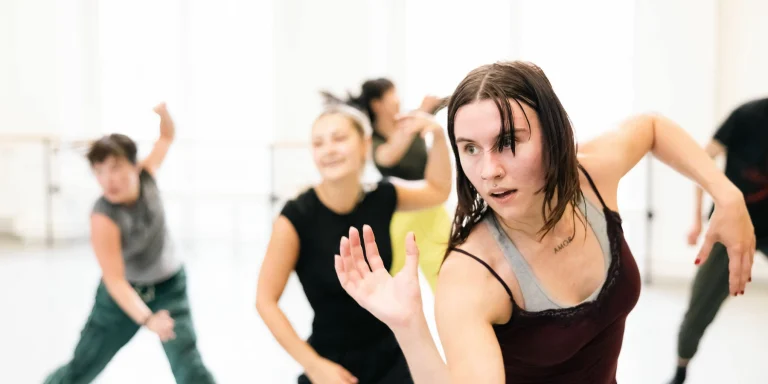
In group work, spatial complexity increases dramatically. Each dancer adjusts pathways to maintain formations while staying expressive and responsive. A single miscalculation affects the entire structure.
This ongoing spatial negotiation requires sophisticated perception and memory. Dance becomes a form of moving geometry guided by instinct and experience.
Memory in Motion
Dance relies heavily on memory, but not just in the traditional sense. It uses procedural memory, spatial memory, musical memory, and emotional memory simultaneously. Each contributes to execution.
Remembering choreography involves recalling sequences, transitions, and timing under physical stress. The body must retrieve this information while moving, often at high intensity.
This layered memory demand distinguishes dance from many other activities. Memory is not recalled in stillness, but enacted through motion, adding to its complexity.
Emotional Expression as a Motor Task
Dance is not only about physical accuracy. Emotional expression is embedded within movement. Conveying feeling through the body requires subtle control of dynamics, tension, and flow.
Emotion influences movement choices even when choreography remains fixed. A phrase danced with joy carries different weight and timing than the same phrase danced with restraint. The dancer must regulate emotion without losing technical control.
This blending of emotion and motor skill adds another layer of complexity. Few activities require emotional authenticity while maintaining physical precision.
Sensory Integration and Feedback
Dance depends on constant sensory feedback. The body processes information from vision, hearing, touch, and proprioception all at once. These inputs guide movement adjustments in real time.
I notice how changes in lighting, sound quality, or floor surface alter movement perception. The body adapts instantly, often without conscious awareness.
Managing multiple sensory streams while maintaining technique places high demands on neural processing. Dance thrives on this complexity rather than simplifying it.
Adaptability and Improvisation
Even structured dance forms require adaptability. No two performances are identical. Fatigue, environment, and interaction with others create constant variation.
Improvisation intensifies this demand. The dancer generates movement spontaneously while maintaining coherence, musicality, and physical safety. Decisions emerge moment by moment.
This adaptability distinguishes dance from tasks that rely on fixed patterns. Complexity arises from openness rather than repetition.
Precision Under Physical Stress
Dance often demands precision under conditions of fatigue, speed, or emotional intensity. Maintaining control while the body is under stress requires advanced motor regulation.
I have felt how fatigue challenges coordination and focus simultaneously. Technique must be upheld even as energy fluctuates. This requires efficient movement strategies developed through years of training.
Precision under stress is a hallmark of complex movement. Dance trains this ability continuously.
The Role of Habit and Conscious Control
Dance balances automaticity and conscious control. Some movements rely on deeply ingrained habits, while others require deliberate attention. Shifting between these modes adds complexity.
During performance, overthinking disrupts flow, yet complete automaticity limits expression. Finding the balance between control and release is an ongoing process.
This interplay between habit and awareness reflects the sophistication of dance as a movement practice.
Cultural and Stylistic Layers
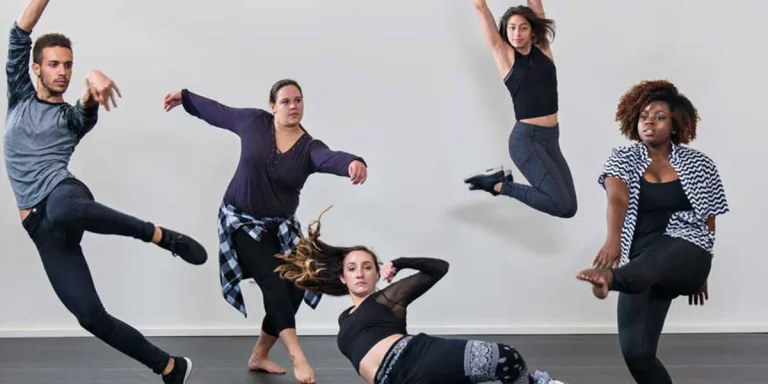
Dance complexity is amplified by cultural and stylistic context. Each style carries its own vocabulary, timing, posture, and expressive norms. Learning a new style reshapes movement patterns.
Switching between styles requires cognitive flexibility. The body must reorganize coordination strategies to match different aesthetics and rhythms.
This adaptability highlights how dance is not a single skill but a collection of interconnected movement languages.
Communication Without Words
Dance communicates ideas, stories, and emotions without verbal language. This nonverbal communication relies on shared conventions and intuitive interpretation.
The dancer must consider how movement reads to others, not just how it feels internally. This outward focus adds another layer of cognitive demand.
Movement becomes both action and message, increasing the complexity of execution.
Continuous Learning and Refinement
Dance never reaches a static endpoint. Even familiar movements evolve with experience. Refinement continues as awareness deepens.
I find that revisiting simple steps often reveals new challenges. As sensitivity increases, expectations rise. Complexity grows rather than diminishes over time.
This endless refinement reflects the depth of dance as a human movement form.
Physical Risk and Control
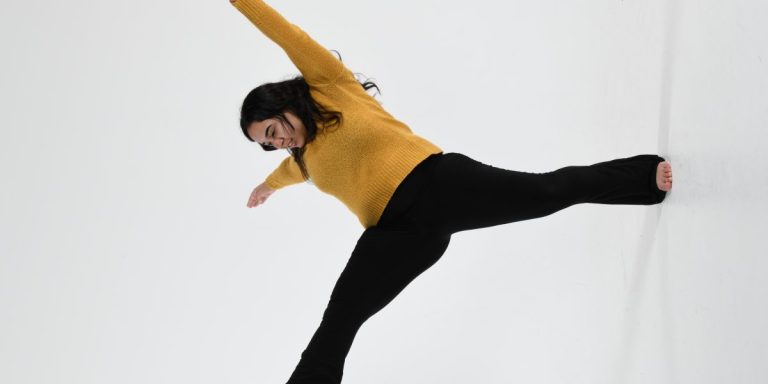
Dance often operates near the limits of balance, flexibility, and strength. Managing risk while maintaining expression requires precise control.
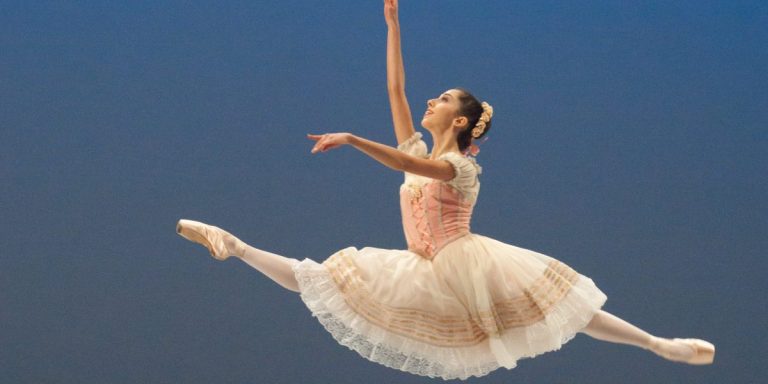
Leaps, turns, and floor work demand commitment without hesitation. The body must trust its training while adapting to unpredictable variables.
Operating near physical limits heightens the complexity of movement decisions.
Integration of Technique and Identity
Dance integrates personal identity into movement. Individual history, emotion, and perception shape how technique is expressed.
Two dancers can perform the same choreography and communicate entirely different qualities. This individuality exists within shared structure.
Balancing personal expression with technical demands adds depth and complexity to dance movement.
Final Thoughts
Dance is one of the most complex human movements because it refuses to simplify the human experience. It demands full engagement of the body, brain, and emotion at the same time. Strength, memory, timing, expression, and adaptability converge in every phrase.
This complexity is not a barrier but a source of richness. Dance challenges coordination, perception, and identity in ways few other movements do. That depth is what keeps me returning to it, knowing there is always more to explore, refine, and discover through motion.