Why Adult Dance Students Learn Differently
Adult dance students walk into the studio carrying more than just their bodies. They arrive with life experience, expectations, habits, fears, and motivations that are very different from those of younger dancers. These differences shape how information is processed, how feedback is received, and how progress is measured internally. Treating adult learners as simply older versions of children misunderstands how deeply age and experience influence the learning process.
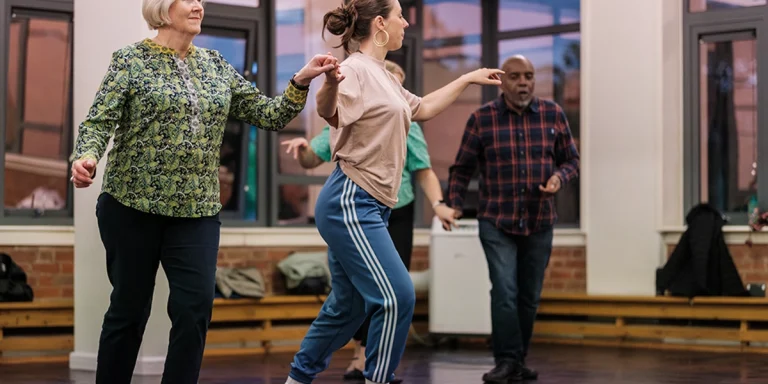
I have spent years dancing alongside adults who started late, returned after long breaks, or committed seriously for the first time well into adulthood. What stands out is not a lack of ability, but a different relationship to learning itself. Adult dancers are not harder to teach, but they do require different approaches. When education aligns with how adults actually learn, progress becomes both faster and more meaningful.
Adults Bring Strong Internal Narratives
Adult students rarely enter class as blank slates. They arrive with stories about who they are, what they are capable of, and what success should look like. These narratives influence confidence, risk-taking, and resilience in ways that are absent in younger learners.
Many adults carry beliefs formed long before they stepped into a studio. Some were told they were not athletic, coordinated, or creative. Others compare themselves constantly to younger dancers or to imagined standards of perfection. These internal dialogues shape how feedback is interpreted and how challenges are faced.
I have noticed that adult dancers often need time to rewrite these narratives. Progress accelerates once self-perception shifts from judgment to curiosity. Learning improves when identity loosens its grip on performance.
Cognitive Strengths Shape the Learning Process
Adults bring advanced cognitive skills into the studio. They analyze patterns, ask questions, and seek logic behind movement. This can be a powerful advantage when teaching methods support intellectual engagement rather than suppress it.
Unlike children, adults often want to know why a movement works, not just how to copy it. Anatomical explanations, imagery, and conceptual frameworks help adults connect new information to existing knowledge. This connection strengthens memory and application.
I have found that adults retain choreography more effectively when they understand structure and intention. Their thinking minds become allies rather than obstacles when invited into the process.
Fear of Failure Influences Risk-Taking
One of the biggest differences in adult learning is the relationship with failure. Adults often associate mistakes with incompetence rather than growth. This fear can lead to hesitation, overthinking, and restrained movement.
Children tend to move freely, correcting as they go. Adults frequently stop themselves before fully committing, worried about looking foolish or doing something wrong. This self-monitoring interrupts flow and slows physical learning.
I have seen adult dancers progress rapidly once mistakes are reframed as information rather than evidence. Confidence grows when experimentation is encouraged and perfection is no longer the goal. Freedom to fail restores natural learning instincts.
Physical Awareness Is More Developed
Adults generally possess greater body awareness than younger dancers. Years of living in their bodies create sensitivity to balance, tension, and alignment. This awareness can accelerate technical development when used well.
At the same time, adults may also carry physical habits shaped by sedentary work, injuries, or repetitive patterns. These habits influence mobility and coordination differently than in younger bodies. Learning involves both building new skills and undoing old patterns.
I have noticed that adult dancers respond well to cues that address sensation rather than appearance. Feeling movement work efficiently builds trust in the body. Physical awareness becomes a foundation for refinement rather than a limitation.
Motivation Is Often Intrinsic
Adult students typically choose dance for personal reasons rather than external pressure. Motivation often comes from joy, self-expression, stress relief, or long-held dreams. This intrinsic motivation changes how learning unfolds.
Unlike younger dancers training for exams or careers, adults often value the process as much as outcomes. Progress is measured internally through satisfaction, confidence, and connection rather than external validation. Teaching that honors these motivations sustains engagement.
I have found that adults commit deeply when they feel respected and supported. Their motivation thrives when learning feels relevant and meaningful. Passion, not obligation, drives consistency.
Time Constraints Shape Practice Habits
Adults balance dance with work, family, and other responsibilities. Practice time is often limited and fragmented. This reality affects how information should be delivered and reinforced.
Long drills without clear purpose can feel inefficient and discouraging. Adults benefit from focused exercises that maximize learning within limited time. Clarity becomes essential when opportunities to rehearse are scarce.
I have seen adult dancers make significant progress through short, intentional practice sessions. Quality consistently outweighs quantity. Teaching that respects time constraints earns trust and commitment.
Memory Functions Differently With Age
Memory in adults operates differently than in children. While adults may take longer to encode new physical information, they often retain it more reliably once learned. Repetition still matters, but structure matters more.
Adults benefit from context, association, and repetition spaced over time. Information sticks when it connects to prior experience or clear logic. Random repetition without meaning tends to fade quickly.
I have noticed that adult dancers remember choreography better when phrases are linked to music, intention, or imagery. Memory strengthens when learning feels organized rather than overwhelming.
Feedback Is Filtered Through Self-Concept
Adults interpret feedback through a well-developed sense of self. Corrections may feel personal even when they are purely technical. Emotional responses influence whether feedback is applied or resisted.
Supportive, specific feedback helps adults separate movement from identity. Vague or harsh correction can reinforce insecurity and slow progress. How feedback is delivered matters deeply.
I have learned that adults respond best when feedback acknowledges effort alongside correction. Respect builds openness. Improvement follows when dancers feel seen rather than judged.
Adults Value Autonomy and Collaboration
Adult learners prefer collaboration over command. They want to understand expectations and participate actively in their development. Authoritarian teaching styles often clash with adult learning preferences.
Autonomy allows adults to take responsibility for their progress. Offering options, inviting questions, and encouraging reflection strengthen engagement. Control shifts from external enforcement to internal commitment.
I have observed that adults thrive in environments where dialogue is welcomed. Learning deepens when dancers feel like partners in the process rather than passive recipients of instruction.
Emotional Context Affects Physical Learning
Adults bring emotional histories into the studio that influence how their bodies respond. Stress, self-consciousness, and fatigue can restrict movement and focus. Emotional safety directly impacts physical expression.
Teaching environments that prioritize respect and patience allow adults to relax into movement. Tension decreases when judgment is minimized. Emotional comfort supports risk-taking and exploration.
I have seen adult dancers unlock physical ability once emotional pressure eases. The body responds quickly when the mind feels safe. Emotional context cannot be separated from physical learning.
Comparison Shapes Adult Experience
Adults are more prone to comparison than younger dancers. Awareness of age, experience level, and physical differences can create internal competition that distracts from learning.
This comparison often leads to unrealistic expectations or unnecessary discouragement. Adults may judge progress against imagined timelines rather than personal growth. Learning slows when attention shifts outward.
I have found that progress accelerates when adults focus inward. Reframing success as personal improvement rather than external ranking restores motivation. Growth becomes sustainable when comparison loses power.
Adaptability Improves With Trust
Adults often resist new approaches until trust is established. Once trust forms, adaptability increases dramatically. Consistency and transparency from teachers help build that trust.
Explaining goals, methods, and expectations reassures adult learners. Predictability reduces anxiety and frees attention for movement. Trust creates openness to challenge.
I have noticed that adult dancers become more adventurous over time when they feel supported. Risk-taking grows from reliability. Adaptability follows confidence.
The Role of Reflection in Adult Learning
Adults naturally reflect on their experiences. Reflection strengthens learning by integrating movement with thought. Opportunities to reflect deepen understanding and retention.
Journaling, discussion, or quiet review help adults process feedback and track progress. Reflection transforms class from an isolated event into part of a larger learning arc.
I regularly see adults make breakthroughs after moments of reflection. Insight clarifies confusion. Learning extends beyond the studio when reflection is encouraged.
Adults Redefine Success
Success in adult dance education looks different than in youth training. Adults often measure success through enjoyment, physical wellbeing, and personal growth rather than technical milestones alone.
This redefinition affects how progress should be supported. Teaching that honors diverse goals sustains long-term engagement. Rigid benchmarks may not reflect what adults value most.
I have learned that adult dancers remain committed when success feels attainable and personal. Education thrives when goals align with lived experience. Fulfillment becomes as important as achievement.
The Importance of Patience and Pace
Adults often expect quick results, especially when effort is high. When progress feels slow, frustration can build. Setting realistic timelines helps manage expectations.
Learning takes time, particularly when building new physical habits. Adults benefit from reassurance that gradual progress is normal and valuable. Patience supports consistency.
I have seen adults stay committed when progress is framed as cumulative. Small improvements matter. Pace becomes a tool rather than an obstacle.
Final Thoughts
Adult dance students learn differently because they live differently. Experience, responsibility, self-awareness, and emotional depth shape how movement is absorbed and expressed. These differences are not disadvantages, they are distinct learning assets.
Dance education becomes more effective when it honors the adult learning process rather than forcing it into outdated models. When teaching respects autonomy, context, and individuality, adults flourish. Learning deepens, confidence grows, and dance becomes not just a skill, but a meaningful part of life.