Training for Longevity: How to Dance Well Into Your 40s and Beyond
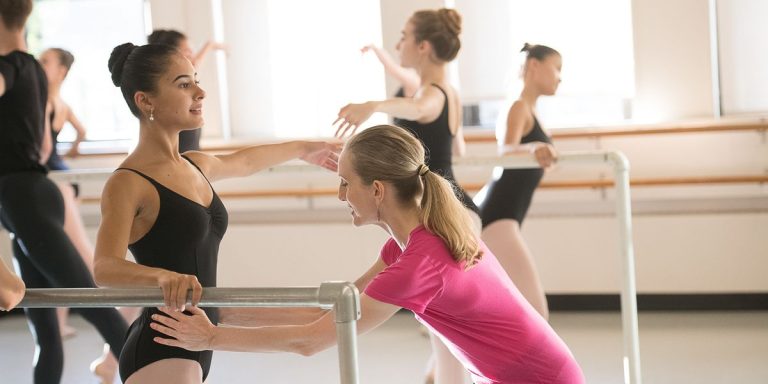
Dance does not come with an expiration date, even though the industry sometimes makes it feel that way. I have watched talented dancers step away not because they lost passion, but because their bodies no longer felt supported by the way they trained. Longevity in dance is not about lowering standards or dancing less seriously, but about training with intelligence, patience, and respect for the body’s changing needs. Dancing well into your 40s and beyond is not only possible, it can be deeply rewarding when training evolves with experience.
As the years pass, technique becomes less about proving physical extremes and more about clarity, efficiency, and intention. I have found that sustainable training allows artistry to deepen while unnecessary strain fades away. Longevity is built through consistent habits, thoughtful recovery, and a mindset that values progress over punishment. Dancing longer is not about holding on to youth, but about learning how to work with the body you have today.
Shifting the Definition of Progress
Early in training, progress often looks like higher extensions, more turns, and greater endurance. Over time, that definition needs to expand. Progress becomes about how the body feels during and after movement, not just how it looks in the mirror. I noticed that chasing the same physical milestones year after year led to frustration rather than growth.
Reframing progress allowed me to appreciate refinement, control, and ease. Cleaner transitions, better balance, and consistent performance quality became meaningful markers. These improvements often came from doing less, not more.
Longevity depends on letting go of outdated benchmarks. Growth continues when success is measured by sustainability rather than extremes.
Prioritizing Joint Health
Joints carry the cumulative impact of years of training. Ankles, knees, hips, and the spine all absorb repetitive forces from jumps, turns, and floor work. I learned that ignoring joint health early creates problems later, often when the body has less capacity to compensate.
Supporting joints means strengthening the muscles around them and maintaining healthy ranges of motion. Controlled mobility work keeps joints responsive rather than stiff or unstable. This balance protects movement quality over time.
Paying attention to joint feedback became a form of communication. Discomfort signaled the need for adjustment rather than endurance. Responding early preserved long-term function.
Training Strength for Support, Not Appearance
Strength training takes on a new role as dancers age. Instead of chasing aesthetics, strength becomes about support and resilience. I found that functional strength improved my ability to handle choreography without feeling depleted.
This type of strength supports posture, balance, and power while reducing reliance on momentum or tension. It also protects against injury by distributing load evenly across the body. Strong support systems allow movement to stay expressive rather than cautious.
Training strength with purpose keeps the body capable. It allows technique to remain consistent even as recovery times change.
Respecting Recovery as Part of Training
Recovery is often underestimated, especially in dance cultures that glorify pushing through fatigue. Over time, I realized that progress slowed when recovery was neglected. The body needs space to adapt, repair, and integrate training.
Adequate rest improves coordination, focus, and responsiveness. Without it, technique becomes sloppy and injury risk increases. Recovery supports longevity by maintaining nervous system health as much as muscular health.
Treating recovery as training, not as weakness, changed how sustainable my practice felt. Rest became a tool for consistency rather than a disruption.
Adapting Warm-Ups and Cool-Downs
Warm-ups and cool-downs become increasingly important with age. Jumping straight into intense movement without preparation raises injury risk and limits performance quality. I noticed a clear difference when I allowed more time to prepare my body.
Warm-ups focused on joint mobility, gentle activation, and breath set the tone for efficient movement. Cool-downs helped release tension and supported recovery. These routines did not need to be long, just intentional.
Consistency in preparation and recovery preserved movement quality. The body responded with greater ease and fewer setbacks.
Letting Go of Constant Comparison
Comparison is a common trap, especially as dancers move through different life stages. Comparing current ability to past versions of oneself or to younger dancers creates unnecessary pressure. I found that this mindset drained motivation and distorted perspective.
Shifting focus inward restored clarity. Progress felt more satisfying when measured against personal capacity rather than external standards. Experience brought qualities that youth could not replicate, including musicality and emotional depth.
Longevity thrives when comparison fades. Confidence grows from self-awareness rather than competition.
Refining Technique Through Efficiency
Efficiency becomes essential as the body changes. Movements that rely on excess effort become unsustainable. I learned to refine technique by removing unnecessary tension and simplifying pathways.
Efficient technique reduces energy expenditure and strain. It allows movement to feel lighter and more controlled without sacrificing quality. This refinement often comes from revisiting fundamentals with a fresh lens.
Efficiency is not about doing less, but about doing what matters most. That focus preserves both physical and artistic longevity.
Adjusting Training Intensity
Intensity needs to fluctuate to support long-term progress. Training at maximum capacity every session is not sustainable. I found greater consistency by varying intensity based on energy levels and recovery status.
Some days prioritized technical precision, others focused on conditioning or expression. This flexibility prevented burnout and supported steady improvement. Listening to the body guided these adjustments.
Longevity depends on adaptability. Training that responds to real-time needs remains effective over decades.
Maintaining Mobility Without Forcing Range
Mobility changes over time, and forcing range often leads to injury. I learned that maintaining functional mobility mattered more than achieving extreme positions. Control within range became the priority.
Gentle, consistent mobility work preserved ease of movement. It kept joints responsive without stressing connective tissue. This approach supported stability and confidence.
Accepting natural changes in range allowed technique to remain strong. Movement quality stayed intact because it was supported rather than strained.
Supporting Mental Longevity
Mental resilience is just as important as physical resilience. Dance demands focus, patience, and emotional investment. Over time, mental fatigue can affect motivation and confidence.
Practices that supported mental health, such as varied training and creative exploration, helped sustain passion. Stepping away when needed preserved enthusiasm rather than diminishing it.
A healthy relationship with dance fuels longevity. Joy and curiosity keep movement alive long after external validation fades.
Embracing Cross-Training for Balance
Cross-training became a valuable tool for longevity. It supported areas that dance alone could not fully address. Strength, endurance, and coordination benefited from varied movement experiences.
This balance reduced overuse and refreshed both body and mind. Returning to dance after cross-training sessions felt invigorating rather than exhausting.
Variety supported consistency. Cross-training allowed dance to remain central without becoming overwhelming.
Listening to Subtle Signals
The body communicates constantly, often through subtle signals before pain appears. Tightness, reduced coordination, or persistent fatigue all provide information. Learning to listen prevented small issues from becoming major setbacks.
Responding early meant adjusting training rather than stopping entirely. This proactive approach preserved momentum and confidence. Ignoring signals only delayed progress.
Longevity depends on awareness. Attentiveness keeps training responsive and sustainable.
Redefining Performance Quality
Performance quality evolves with experience. Technical feats may shift, but depth, nuance, and presence grow. I found that audiences respond strongly to clarity and intention.
Dancing with maturity brings richness that cannot be rushed. Movement becomes layered with experience and emotional honesty. This depth often resonates more than physical extremes.
Longevity allows performance to mature. Dance becomes a conversation rather than a display.
Building a Sustainable Identity as a Dancer
Many dancers tie identity to peak physical ability. As the body changes, this identity can feel threatened. I learned that redefining what it means to be a dancer brought freedom.
Dancing well into later decades means valuing wisdom alongside skill. Teaching, creating, and performing all remain valid expressions. Dance becomes a lifelong practice rather than a limited phase.
A sustainable identity supports longevity. It allows growth without fear of loss.
Final Thoughts
Training for longevity means honoring both the body’s history and its future. Dancing well into your 40s and beyond is built on intelligent choices, consistent care, and an evolving mindset. Technique deepens when supported by strength, recovery, and awareness rather than force.
Longevity in dance is not about holding on to the past, but about moving forward with clarity and respect. When training adapts, dance remains vibrant, expressive, and deeply fulfilling for years to come.