The Role of Visualization in Dance Performance
Movement begins long before the body takes shape in space. In my experience as a dancer, some of the most meaningful breakthroughs never happened in front of a mirror or even on the studio floor. They happened quietly, internally, in moments where my body was still but my mind was fully engaged. Visualization has become one of the most powerful tools in my dance practice, not as a replacement for physical training, but as a partner to it. The way I see a movement internally often determines how convincingly it appears externally.
Dance performance demands far more than strength, flexibility, or musicality. It requires clarity, intention, and presence, all of which are shaped by how the mind prepares the body. Visualization allows me to rehearse not just steps, but sensations, timing, emotional tone, and spatial awareness. Over time, I have learned that the mind does not distinguish sharply between imagined movement and executed movement, and that insight has reshaped how I prepare, rehearse, and perform.
Visualization is often misunderstood as passive daydreaming, but in dance it is an active, disciplined process. It involves directing attention, shaping intention, and rehearsing with precision. When used deliberately, it sharpens focus, reduces hesitation, and creates a sense of readiness that physical repetition alone cannot always provide.
Visualization as a Mental Rehearsal Tool
Before my body moves, my mind has already danced the phrase. Mental rehearsal allows me to map out choreography in a way that feels embodied, even when I am standing still. I picture transitions, pathways, and weight shifts as if I am inside the movement rather than watching it from the outside. This process helps me understand not just where the movement goes, but how it travels through my body.
Mental rehearsal becomes especially valuable when physical fatigue sets in. On days when my muscles are tired or when injury limits full-out dancing, visualization keeps my connection to the choreography alive. I can rehearse timing, musical accents, and spatial patterns without placing additional strain on my body. This keeps the work fresh rather than fragmented.
Visualization also helps refine details that often get lost in repetition. By slowing down the movement in my mind, I can examine alignment, breath, and intention with greater clarity. When I return to physical practice, those details feel more accessible, as if they were already rehearsed beneath the surface.
Building Muscle Memory Through Imagined Movement
Muscle memory is often associated purely with repetition, but visualization plays a quiet yet significant role in how movement patterns are stored. When I repeatedly imagine a sequence with precision, my nervous system begins to recognize the pattern even before my body performs it. This mental imprint supports physical recall during performance.
Imagined movement activates similar neural pathways as actual movement, which means the brain is still practicing coordination and timing. Over time, this strengthens the connection between intention and execution. I notice that choreography learned with both physical and mental rehearsal settles more deeply into my body.
Visualization also helps smooth transitions that might feel awkward physically. By mentally rehearsing how one movement melts into the next, I reduce the sense of interruption that sometimes appears onstage. The body follows the clarity set by the mind, and the movement feels more continuous as a result.
Enhancing Focus and Presence on Stage
Performance environments can be unpredictable. Lighting, spacing, audience energy, and nerves all compete for attention. Visualization helps anchor my focus before stepping onstage. By mentally walking through the performance space, I feel oriented rather than overwhelmed.
I visualize not only the choreography, but also my state of presence. I imagine how grounded my feet feel, how my breath flows, and how my attention stays connected to the music. This mental preparation creates familiarity, even in unfamiliar venues. The stage feels less like unknown territory and more like a space I have already visited.
During performance, visualization continues subtly in the background. When a moment feels rushed or uncertain, recalling the internal image of the movement helps guide me back into alignment. Presence becomes less about reacting and more about inhabiting a prepared internal landscape.
Visualization and Emotional Expression
Dance is not just about executing steps; it is about communicating feeling. Visualization allows me to connect emotionally to the choreography before the music even begins. I imagine the emotional arc of the piece, how it builds, softens, or transforms across time.
By visualizing emotional intention, I avoid performing on autopilot. Each movement carries a reason, even if that reason is abstract. This internal clarity translates into more honest expression, because the movement is driven by purpose rather than habit.
Visualization also helps regulate emotional intensity. Some pieces require restraint, while others demand full emotional exposure. Mentally rehearsing the emotional tone helps me find balance, so the performance feels authentic rather than forced or disconnected.
Managing Performance Anxiety Through Visualization
Nerves are part of performance, no matter how experienced a dancer becomes. Visualization has been one of the most effective ways for me to work with anxiety rather than against it. Instead of trying to eliminate nerves, I visualize successful navigation through them.
I imagine myself acknowledging nervous energy and allowing it to fuel focus rather than tension. I picture calm breathing, steady grounding, and confident movement initiation. This shifts my mindset from fear of mistakes to trust in preparation.
Visualization also helps interrupt negative mental loops. When doubt appears, replacing it with a clear internal image of the choreography restores confidence. The mind focuses on execution rather than speculation, which stabilizes both body and breath.
Refining Spatial Awareness and Musicality
Dance exists in space and time, and visualization sharpens my relationship to both. By mentally mapping pathways, facings, and levels, I improve spatial accuracy without relying solely on mirrors or markers. This is especially useful in group work, where awareness of others matters as much as awareness of self.
Musicality also benefits from visualization. I imagine how movement aligns with phrasing, accents, and silence within the music. This mental connection deepens rhythmic sensitivity, making timing feel intuitive rather than calculated.
When choreography changes spacing or tempo unexpectedly, prior visualization makes adaptation easier. The mind already understands the structure, so the body adjusts with less resistance.
Visualization in the Learning Process
Learning choreography is often rushed, especially in professional or competitive settings. Visualization helps me absorb material more efficiently. After a rehearsal, I replay the choreography in my mind, reinforcing memory while details are still fresh.
This mental review highlights gaps in understanding. If a transition feels unclear in my mind, it usually needs attention physically as well. Visualization becomes a diagnostic tool, revealing weaknesses before they surface onstage.
Over time, this approach accelerates learning. New material feels less overwhelming because it is processed both mentally and physically. The choreography becomes familiar faster, allowing more time for refinement and expression.
Partnering Visualization With Physical Training
Visualization works best when paired with consistent physical practice. It does not replace conditioning, technique, or repetition, but it enhances their effectiveness. When my mind is clear about intention, physical training feels more purposeful.
I often visualize corrections while stretching or conditioning. Imagining alignment and engagement helps integrate technical feedback into the body. This reinforces learning without adding physical strain.
Visualization also supports recovery. On rest days, mentally rehearsing maintains connection to movement without exhausting the body. This balance supports longevity and reduces burnout.
Adapting Visualization Across Dance Styles
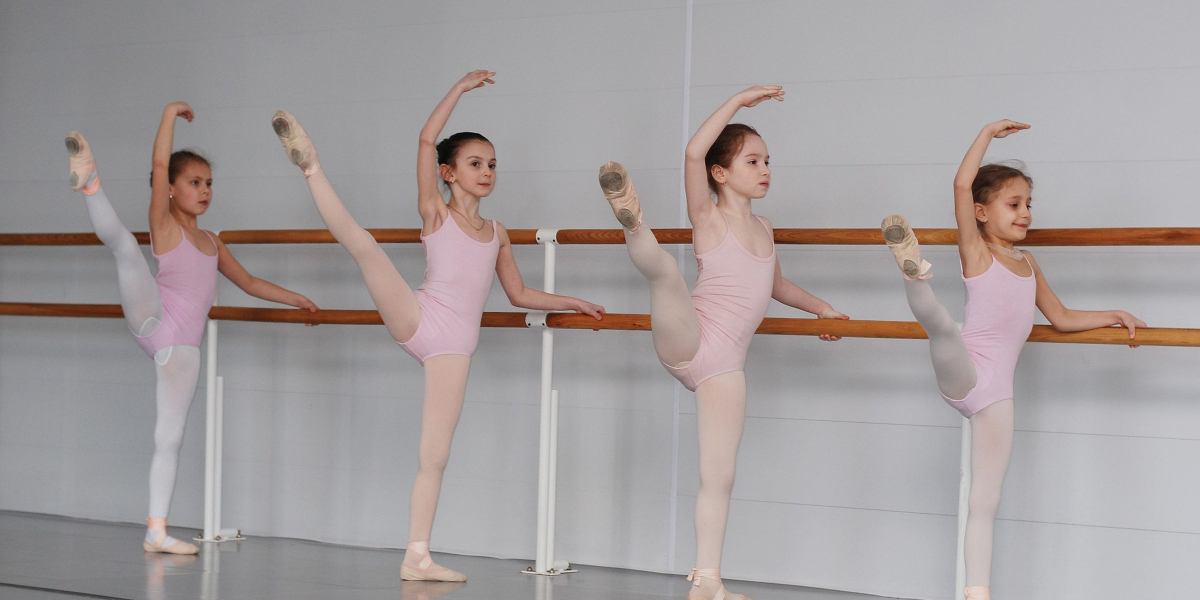
Different dance styles call for different kinds of visualization. In ballet, imagery often centers on length, lift, and precision. In contemporary work, visualization may focus more on texture, weight, and flow. I adjust mental imagery to suit the demands of the style.
Cultural and stylistic context also influence visualization. Imagining the environment, story, or tradition behind a piece deepens authenticity. The movement feels informed rather than generic.
This adaptability makes visualization a versatile tool. No matter the genre, it supports clarity, intention, and expressive depth.
Visualization as a Tool for Artistic Growth
Beyond performance, visualization shapes artistic development. Imagining new movement possibilities encourages creativity. I often explore phrases mentally before ever trying them physically, allowing ideas to form without limitation.
Visualization also helps reflect on past performances. Replaying moments mentally reveals patterns, strengths, and areas for growth. This reflective process guides future training choices.
Artistic growth requires curiosity and self-awareness, both of which are strengthened through intentional visualization. It becomes a way of listening to the body through the mind.
Integrating Visualization Into Daily Practice
Consistency matters more than duration when it comes to visualization. Even brief moments of focused imagery can have a lasting impact. I integrate visualization into warm-ups, cooldowns, and transitions between rehearsals.
Over time, this practice becomes second nature. The mind learns to prepare the body automatically, creating a sense of readiness that carries into performance. Visualization stops feeling like an extra task and becomes part of how I dance.
This integration fosters trust. Trust in preparation, trust in memory, and trust in the connection between intention and execution.
Final Thoughts
Visualization has reshaped how I experience dance performance. It bridges the gap between intention and action, offering clarity, confidence, and emotional depth. By engaging the mind as actively as the body, dance becomes more than movement; it becomes an embodied thought.
The role of visualization in dance performance continues to evolve as my practice evolves. It remains a constant companion, supporting learning, expression, and presence. Through deliberate mental rehearsal, dance feels less reactive and more intentional, grounded in a clarity that begins long before the first step is taken.