The Evolution of Dance Education Over the Last 50 Years
Dance education has shifted dramatically over the last half century, shaped by cultural change, scientific research, and evolving ideas about who dance is for and how it should be taught. My relationship with dance education has unfolded alongside these changes, allowing me to feel the contrast between inherited traditions and modern approaches. What once centered on strict hierarchy and imitation has gradually expanded into a more inclusive, reflective, and interdisciplinary practice.
Looking back across these decades reveals more than technical adjustments. Dance education has mirrored broader social movements, embraced new technologies, and redefined the role of the teacher and the student. The studio no longer exists in isolation from the world outside it. Instead, dance education now sits at the intersection of art, science, wellness, and personal expression.
The Studio Culture of the 1970s
Dance education fifty years ago was dominated by rigid structures and clearly defined authority. Teachers were viewed as unquestionable experts, and students were expected to absorb information through repetition and obedience. Corrections were delivered with little explanation, and compliance was often valued more than comprehension. Progress depended on the ability to conform to established aesthetics and expectations.
Training environments reflected this mindset through strict dress codes, silent studios, and a heavy emphasis on discipline. Expression existed, but it was secondary to technique and uniformity. Many dancers learned to follow rather than question, trusting that mastery would come through endurance. That culture shaped generations of performers but also limited accessibility and dialogue.
Technique as the Central Focus
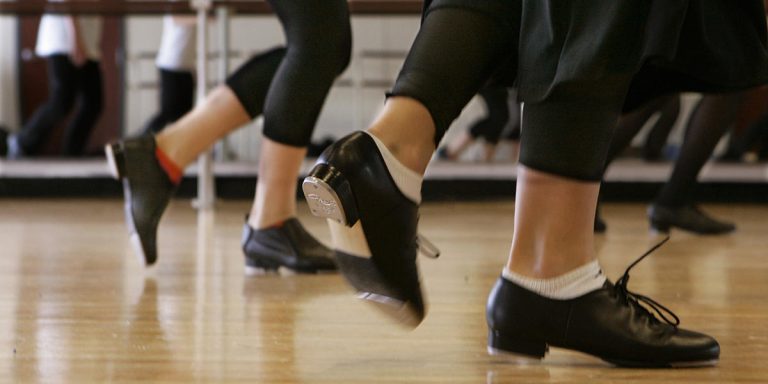
Technical mastery once sat at the heart of dance education. Ballet, modern, and jazz techniques were taught as fixed systems rather than evolving practices. Line, turnout, and precision defined success, often without regard for individual anatomy. The goal was replication of an ideal rather than exploration of personal movement.
This approach produced technically strong dancers but often neglected creativity and critical thinking. Injury prevention and body awareness received little attention. Dance education prioritized results over process, reinforcing a narrow definition of excellence. While effective in producing disciplined performers, it left little room for diversity in learning styles or physical differences.
Limited Access and Exclusivity
Dance education in earlier decades was not equally accessible. Cost, location, and cultural expectations limited who could participate. Many programs catered to a specific demographic, reinforcing the idea that dance belonged to a select group. Adult learners were rare, and late starters were often discouraged.
This exclusivity shaped the perception of dance as a pursuit reserved for the young and physically ideal. Education pathways were narrow, and alternative routes into dance were scarce. The absence of inclusive frameworks meant many potential dancers never entered the studio. Over time, this limitation became increasingly difficult to ignore.
The Rise of Dance Science
The late twentieth century marked a turning point as scientific research began influencing dance education. Anatomy, kinesiology, and biomechanics entered the conversation, challenging outdated practices. Teachers started to reconsider alignment cues, warm-up methods, and conditioning routines. Dance education slowly embraced evidence-based approaches.
This shift changed how movement was taught and understood. Students gained insight into how their bodies worked rather than blindly following instruction. Injury prevention became a priority rather than an afterthought. Dance education evolved from tradition-bound training into a more informed and sustainable practice.
Changing Teacher-Student Dynamics
Authority in the studio gradually softened as teaching philosophies evolved. Dialogue replaced silence, and questions became welcomed rather than discouraged. Teachers began explaining the purpose behind exercises, fostering deeper engagement. Dance education shifted toward collaboration rather than command.
This change empowered students to take ownership of their learning. Feedback became more nuanced and individualized. Respect remained central, but it was no longer enforced through fear or distance. The studio transformed into a space for shared exploration rather than unilateral instruction.
Expanding Definitions of Technique
Over the last 50 years, technique itself has been redefined. Contemporary dance blurred boundaries between styles, encouraging versatility and adaptability. Dance education began valuing functional movement alongside aesthetic ideals. Individual expression gained legitimacy within technical training.
This expansion allowed dancers with diverse bodies and backgrounds to find relevance in education. Teachers adapted curricula to reflect evolving movement languages. Technique became a tool rather than a rigid standard. Dance education grew more reflective of the changing artistic landscape.
The Influence of Cultural Exchange
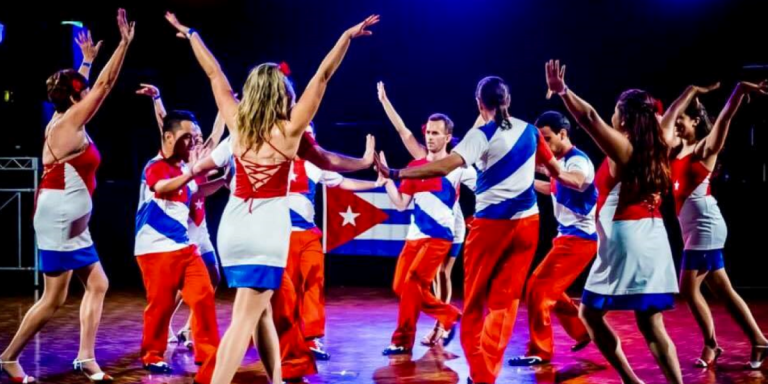
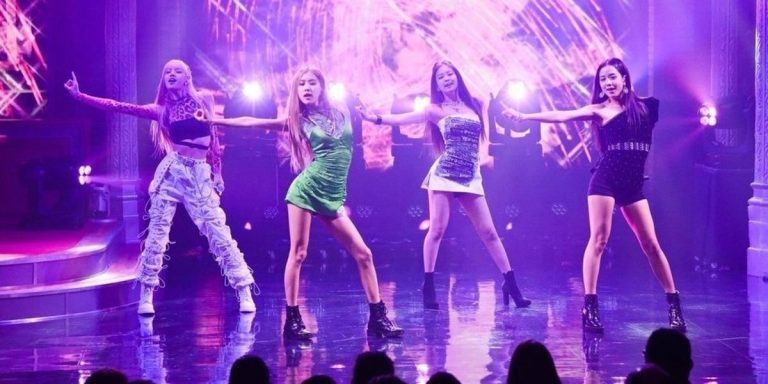
Globalization played a significant role in reshaping dance education. Increased exposure to international styles broadened curricula beyond Western traditions. Hip hop, African dance, Latin forms, and street styles entered formal education spaces. Dance education became more culturally expansive.
This inclusion challenged long-standing hierarchies within the dance world. Styles once marginalized gained recognition and respect. Students learned movement within cultural context rather than as isolated technique. Dance education became a site for cultural dialogue and appreciation.
Adult Learners Enter the Studio
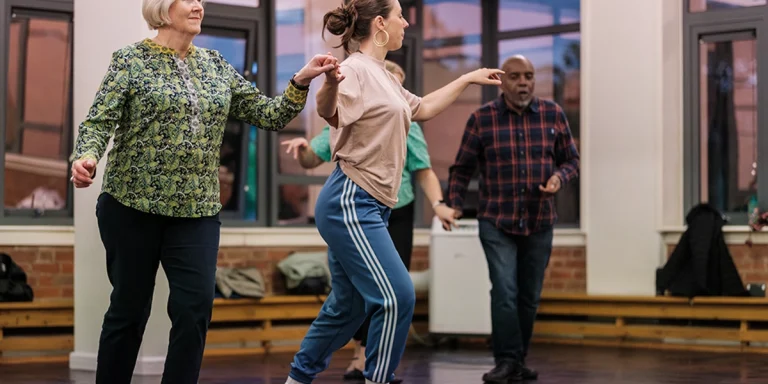
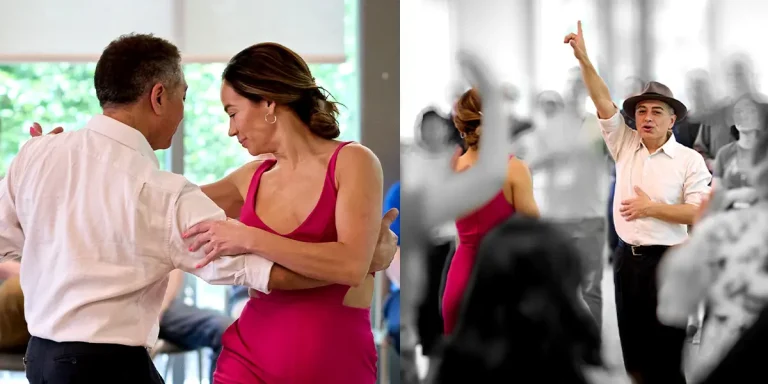
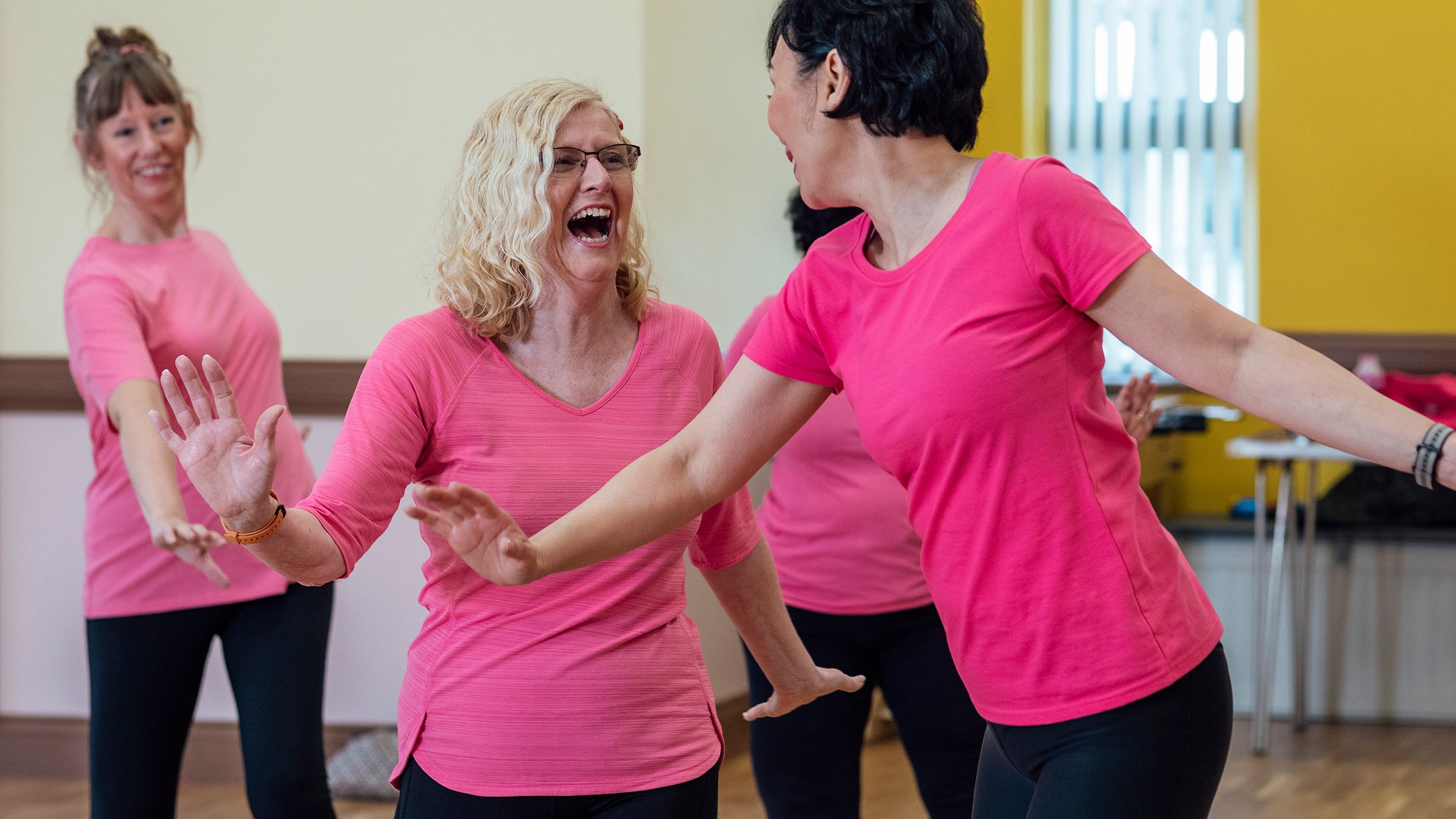
One of the most noticeable shifts has been the rise of adult dance education. Studios began welcoming learners of all ages, recognizing that dance is not limited to youth. Teaching methods adapted to accommodate different physical needs, schedules, and motivations. Dance education expanded its definition of who a dancer can be.
This change reshaped studio culture significantly. Comparison gave way to personal growth, and progress was measured differently. Adult learners brought life experience into the studio, enriching discussions and perspectives. Dance education became more flexible and humane as a result.
Technology Transforms Training
Technological advancements have reshaped how dance is taught and accessed. Video recording allows dancers to analyze movement with precision. Online classes extend education beyond physical studios. Dance education now reaches students regardless of geography.
This accessibility has democratized learning while introducing new challenges. Teachers must adapt instruction for digital platforms without losing depth. Students balance autonomy with accountability. Technology has expanded possibilities while redefining traditional teacher-student relationships.
Curriculum Becomes Interdisciplinary
Modern dance education often integrates complementary disciplines. Somatic practices, improvisation, and choreography are embedded alongside technique. Students learn to think critically about movement rather than simply execute steps. Education now addresses both body and mind.
This interdisciplinary approach supports well-rounded development. Dancers gain tools for creativity, reflection, and self-care. Dance education becomes preparation for diverse career paths rather than a single performance outcome. The studio transforms into a learning laboratory.
Shifts in Assessment and Evaluation
Evaluation methods have evolved significantly over the decades. Earlier systems relied heavily on comparison and ranking. Modern approaches consider individual progress, effort, and understanding. Dance education now recognizes multiple forms of excellence.
This shift reduces unnecessary competition while maintaining high standards. Feedback focuses on growth rather than deficiency. Students engage more deeply when assessment feels fair and transparent. Education becomes a supportive framework rather than a sorting mechanism.
Emphasis on Mental Well-Being
Awareness of mental health has influenced dance education profoundly. Conversations about stress, burnout, and self-image are now part of training environments. Teachers acknowledge the psychological demands of dance. Education aims to support sustainability rather than sacrifice.
This emphasis encourages healthier relationships with movement and self-perception. Students learn to navigate pressure with awareness rather than denial. Dance education evolves into a space that values long-term engagement. Well-being becomes integral rather than optional.
Redefining Professional Pathways
Career preparation in dance education has broadened considerably. Performance is no longer presented as the sole measure of success. Teaching, choreography, therapy, and interdisciplinary work are recognized as valid paths. Education reflects the diverse realities of the dance world.
This redefinition reduces the stigma around alternative careers. Students explore interests without feeling confined to narrow outcomes. Dance education supports adaptability in an unpredictable industry. Training becomes preparation for versatility rather than specialization alone.
Inclusion and Representation
Recent decades have seen increased focus on inclusion within dance education. Conversations around race, gender, ability, and body diversity influence curricula and casting practices. Studios actively challenge exclusionary norms. Education becomes a tool for social change.
Representation within teaching staff and materials matters more than ever. Students benefit from seeing themselves reflected in leadership. Dance education evolves toward equity rather than tradition-bound exclusion. These changes continue to reshape the future of training environments.
The Role of Reflection in Learning
Reflection has become a central component of modern dance education. Journaling, discussion, and self-assessment encourage deeper engagement. Students analyze their experiences rather than simply moving through them. Education supports awareness alongside action.
This reflective practice strengthens autonomy and confidence. Dancers learn to articulate goals and challenges clearly. Dance education values thoughtfulness as much as physical skill. Learning becomes an ongoing conversation rather than a one-way transmission.
Tradition and Innovation Coexisting
Despite significant change, tradition still holds value within dance education. Classical techniques remain foundational, offering structure and historical continuity. Innovation does not erase the past but reframes it. Education balances respect for heritage with openness to evolution.
This coexistence enriches training experiences. Students learn where movement comes from and where it might go next. Dance education honors lineage while embracing experimentation. The studio becomes a bridge between generations.
The Future Built on Adaptability
The evolution of dance education over the last 50 years reveals a field defined by adaptability. Teaching methods continue to respond to cultural, scientific, and technological shifts. Education remains dynamic rather than fixed. This adaptability ensures relevance in a changing world.
Students now enter studios with diverse goals and expectations. Dance education meets them with flexibility and curiosity. The future promises continued growth shaped by dialogue rather than doctrine. Change becomes a constant companion.
Final Thoughts
The evolution of dance education over the last 50 years reflects a broader transformation in how movement, learning, and humanity intersect. What began as rigid, exclusive training has expanded into an inclusive, informed, and reflective practice. Dance education now supports not only technical skill but also personal growth, cultural awareness, and long-term well-being. This ongoing evolution ensures that dance remains a living, responsive art form shaped by those who teach and those who learn.