The Difference Between Dancing Steps and Dancing Emotion
Dance often begins with steps, counts, and patterns that live neatly inside a studio mirror. Those elements matter because they give structure, shared language, and technical clarity. Yet the performances that stay with me long after the music stops are rarely the ones where every step was perfect. What lingers is the emotional charge behind the movement, the feeling that something human was being offered rather than simply demonstrated.
I have spent years navigating the space between executing choreography and actually communicating through it. That space is where many dancers feel both excited and frustrated. Mastering steps can feel concrete and measurable, while dancing with emotion feels slippery and hard to define. Exploring the difference between the two has reshaped how I train, rehearse, and step onto the stage.
Dancing Steps As a Physical Skill
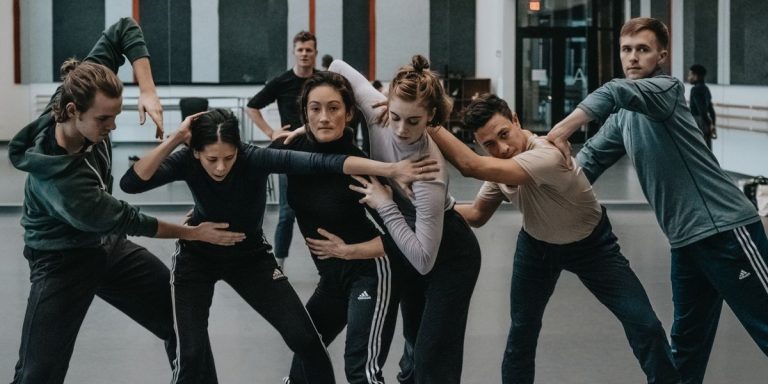
Steps form the visible framework of any dance style. They include footwork, arm pathways, timing, and spatial patterns that can be taught, counted, and repeated. This side of dance is often the first thing introduced in class because it creates a foundation everyone can recognize. Without steps, movement can become vague and disconnected.
Practicing steps builds coordination, strength, and muscle memory. Repetition teaches the body how to respond quickly and efficiently, even under pressure. That kind of training gives dancers confidence in their physical abilities and helps them stay grounded in unfamiliar choreography. Technical clarity also allows a group to move together with precision, which is essential in many performance settings.
Steps are also comforting because they offer certainty. A dancer knows whether a step is right or wrong based on alignment, timing, and placement. That clarity can feel reassuring, especially early in training or during high-stakes performances. The challenge appears when steps become the only focus.
The Limits of Step-Focused Dancing
A performance built only on steps can look impressive and still feel empty. Audiences may admire the athleticism without feeling emotionally involved. This happens when movement is executed correctly but without intention beyond accuracy. The body is present, but the inner world stays hidden.
I have watched dancers deliver flawless routines that never quite landed emotionally. The movement was sharp, the timing exact, yet something felt distant. That distance usually comes from performing steps as tasks rather than expressions. The dancer concentrates on what comes next instead of why it matters.
Relying too heavily on steps can also create tension. The mind races ahead, checking off choreography like a list. That mental pressure often shows up as stiffness, shallow breathing, or a frozen facial expression. In those moments, the dance becomes work instead of communication.
Dancing Emotion As an Inner Experience
Dancing emotion begins beneath the surface. It comes from sensation, memory, imagination, and response to music. Emotional dancing does not ignore technique, but it uses technique as a vessel rather than a destination. The movement becomes a language for something felt internally.
Emotion in dance is not about exaggeration or acting out feelings in an obvious way. It can be subtle, quiet, or restrained depending on the piece. What matters is that the dancer is connected to the movement on a personal level. That connection gives weight to even the simplest gestures.
When emotion leads, the body often moves more naturally. Breath deepens, transitions soften, and timing becomes more flexible. The dancer listens rather than recites. This creates a sense of presence that audiences recognize instinctively, even if they cannot explain it.
How Emotion Changes Movement Quality
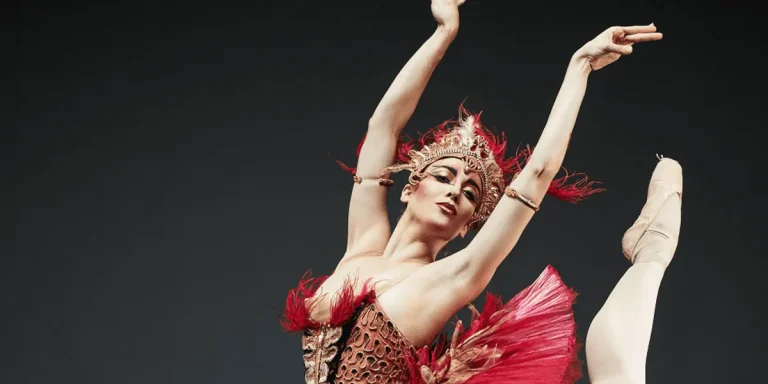
The same step can look entirely different depending on the emotional intention behind it. A turn fueled by joy carries lift and openness, while the same turn shaped by grief may feel heavier and more inward. The mechanics stay similar, but the quality transforms. This is where dance moves beyond form and into meaning.
Emotion influences dynamics such as speed, weight, and flow. Sharp movements may become sharper with urgency or soften with vulnerability. Sustained motions can feel expansive or tense depending on what the dancer is experiencing internally. These shifts happen organically when emotion is allowed to guide the body.
Audiences tend to respond more strongly to quality than complexity. A simple walk infused with purpose can be more compelling than intricate footwork performed without feeling. Emotion gives movement a reason to exist, which makes it easier for viewers to connect.
The Role of Music in Emotional Dancing
Music acts as a bridge between steps and emotion. Rhythm provides structure, while melody and texture invite interpretation. Dancing steps often aligns closely with counts and accents, but dancing emotion listens deeper. It responds to phrasing, tone, and silence.
I notice that emotional dancing happens more easily when I stop counting so rigidly. Letting the music breathe allows movement to stretch or suspend in ways that feel honest. This does not mean ignoring timing, but rather trusting musicality to shape it.
Lyrics, instrumentation, and tempo can all spark emotional responses. A dancer who truly listens may find movement choices shifting spontaneously. That responsiveness creates a sense of conversation between the body and the sound, which audiences can feel.
Training the Body Versus Training Awareness
Technical training focuses on building strength, flexibility, and coordination. Emotional training develops awareness, sensitivity, and imagination. Both are essential, but they require different approaches. One works through repetition, the other through reflection.
I find that emotional awareness grows when I slow down. Improvisation, journaling, or even quiet listening can deepen the connection between feeling and movement. These practices may not look productive from the outside, but they shape how the body responds when choreography returns.
Studios often prioritize visible progress, which makes steps easier to measure than emotion. Yet dancers who invest time in inner awareness often stand out more in performance. Their movement feels inhabited rather than imposed.
Vulnerability on Stage
Dancing emotion requires vulnerability. Allowing genuine feeling to surface can feel risky, especially in front of an audience. Steps offer protection because they give something to hide behind. Emotion removes that shield.
I have felt moments on stage where the movement cracked open something personal. Those moments were uncomfortable and exhilarating at the same time. They demanded trust in the choreography, the music, and the audience. That trust transformed nerves into energy.
Vulnerability does not mean oversharing or losing control. It means being present enough to let the movement reflect something real. Audiences often respond with deeper attention when they sense honesty rather than perfection.
The Audience Connection
Steps impress, but emotion connects. Viewers may not understand the technical difficulty of a sequence, but they recognize sincerity immediately. Emotional dancing invites the audience into an experience rather than asking them to evaluate skill.
I notice that audiences lean forward when a dancer is emotionally engaged. Their attention sharpens because something human is unfolding. That connection can exist even in abstract work where no clear story is told.
This response happens because emotion creates empathy. The audience may not know what the dancer is feeling, but they sense that something is being felt. That shared sensation turns performance into communication.
Balancing Precision and Feeling
The difference between steps and emotion is not a matter of choosing one over the other. Powerful dance lives in the balance between precision and feeling. Steps provide clarity, while emotion provides depth.
I aim to learn choreography thoroughly enough that it no longer demands constant thought. Once the body knows the material, attention can shift toward intention and expression. This transition takes time and patience, especially with complex work.
Balancing these elements also requires flexibility. Some moments in a piece demand sharp precision, while others call for softness and release. Being able to shift between those states keeps a performance dynamic and alive.
Rehearsal Versus Performance Energy
Rehearsals often emphasize steps because they are practical to correct. Performances ask for something more expansive. The challenge lies in carrying emotional intention from the studio into the stage environment.
I prepare emotionally by revisiting why a piece matters to me. That reason might be personal, musical, or thematic. Holding onto it helps ground the performance when nerves rise or conditions change.
Performance energy can amplify emotion if it is welcomed rather than resisted. The presence of an audience adds stakes, which can deepen focus. When steps are secure, that energy feeds expression instead of disrupting it.
Common Misconceptions About Emotional Dancing
Many dancers believe emotion must look dramatic to be effective. This misconception leads to forced facial expressions or exaggerated gestures. True emotional dancing often appears quieter and more grounded.
Another misconception is that emotion cannot be trained. While feelings themselves are unpredictable, the ability to access and channel them can be developed. Practices like imagery, breath work, and improvisation strengthen that skill over time.
Some also fear that focusing on emotion will weaken technique. In my experience, the opposite happens. When movement is driven by intention, technique often becomes more efficient and expressive.
Growth Through Emotional Risk
Progress in emotional dancing often comes from discomfort. Trying new ways of expressing feeling can feel awkward at first. That awkwardness usually signals growth rather than failure.
I have learned the most from performances that felt messy internally. Those experiences revealed habits, fears, and strengths that technique alone never exposed. Each risk expanded my range as a performer.
Emotional growth does not follow a straight line. Some days feel open and connected, while others feel blocked. Patience with that process allows authenticity to emerge gradually.
How Choreography Shapes Emotion
Choreography can either invite or limit emotional expression. Some works leave space for interpretation, while others specify intention clearly. A dancer’s task is to find personal meaning within those structures.
Even highly detailed choreography benefits from emotional ownership. Adding personal imagery or associations can transform prescribed movement into lived experience. That transformation happens internally, even if the steps stay the same.
When choreography feels restrictive, focusing on breath, gaze, or energy can reopen expressive pathways. Small shifts often make a big difference in how movement feels and reads.
Personal Identity in Dance
Steps belong to a style or tradition, but emotion belongs to the dancer. This distinction allows individuality to surface even within uniform choreography. Two dancers can perform the same steps and look entirely different.
I see identity emerge in timing choices, subtle accents, and the way movement begins and ends. These qualities reflect personal history, training, and temperament. Emotion acts as the filter through which steps pass.
Honoring that individuality strengthens performance. Audiences respond to specificity because it feels real. Emotion gives dancers permission to inhabit movement fully rather than mimic an external ideal.
Final Thoughts
The difference between dancing steps and dancing emotion defines the gap between execution and expression. Steps provide the structure that makes dance recognizable, while emotion gives it purpose and resonance. One without the other feels incomplete.
I continue to refine technique because it supports freedom rather than limiting it. At the same time, I return again and again to emotional connection as the heart of performance. That balance keeps dance challenging, vulnerable, and deeply human.
Memorable performances rarely come from perfection alone. They emerge when disciplined movement meets genuine feeling, allowing dance to speak in a language beyond steps.