The Connection Between Rhythm and Brain Development
Rhythm has shaped my relationship with movement long before I had the language to explain it. Long hours in studios, rehearsing combinations over steady counts and unpredictable accents, taught me that rhythm is not just something I hear. It is something I feel, anticipate, and respond to with my entire body. Over time, I noticed changes that went far beyond technique, including sharper focus, quicker reactions, and a deeper sense of mental clarity.
Dance pushed me to think differently, even when I was not consciously trying to improve my mind. The constant demand to align movement with timing trained my attention in ways that spilled into daily life. Tasks that once felt scattered began to feel more organized, and my ability to stay present improved without deliberate effort. Rhythm quietly became a mental anchor, guiding both movement and thought.
Exploring how rhythm connects to brain development reveals why these changes happen. Scientific research supports what dancers often sense intuitively: rhythmic movement engages multiple brain systems at once. This layered stimulation strengthens neural connections, shaping the brain through repeated, meaningful patterns of action and response.
Rhythm As a Neural Organizer
Rhythm acts as a framework that the brain uses to organize information. When I move to a beat, my brain coordinates auditory input, motor planning, balance, and spatial awareness simultaneously. This coordination requires different brain regions to communicate efficiently, reinforcing pathways through repeated practice. Over time, these pathways become faster and more reliable.
Neuroscientists often describe rhythm as a timing signal for the brain. Regular beats help synchronize neural firing, making information processing more efficient. I experience this synchronization as a sense of flow, where movements feel effortless and thoughts align smoothly. The brain thrives on patterns, and rhythm provides a predictable yet flexible structure for learning.
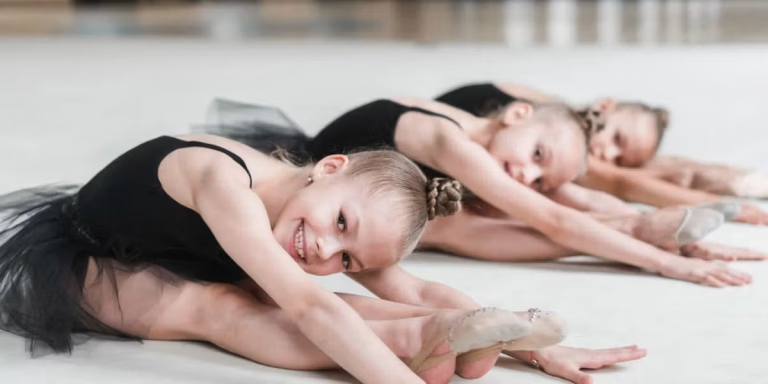
This organizing effect is especially powerful during development. Exposure to rhythmic movement during childhood supports the formation of strong neural networks. Even in adulthood, rhythmic dance continues to refine these connections, demonstrating that brain development does not stop at a certain age.
Motor Skills And Cognitive Growth
Every rhythmic sequence in dance demands precise motor control. Executing steps on time requires planning, execution, and adjustment within fractions of a second. These demands activate areas of the brain responsible for coordination and decision-making. With consistent practice, these regions grow more efficient.
I noticed that learning complex rhythmic patterns improved my ability to multitask. Remembering sequences while staying on beat sharpened my working memory. This mental juggling strengthened my capacity to hold and manipulate information, a skill that extends beyond the studio.
Research links motor skill development with cognitive growth, particularly when movement involves timing and coordination. Rhythm-based dance challenges the brain to predict, adapt, and respond continuously. This constant engagement fosters adaptability, a hallmark of a well-developed brain.
Timing, Prediction, And Executive Function
Rhythm trains the brain to anticipate what comes next. Dancing to music requires predicting beats before they occur, adjusting movement accordingly. This predictive processing engages executive functions such as planning, inhibition, and flexible thinking. Each rehearsal becomes a workout for these mental skills.
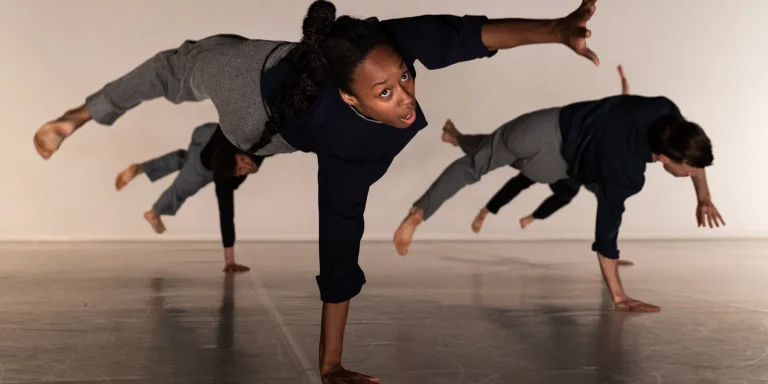
I often feel this anticipation while dancing in an ensemble. Staying synchronized with others means reading subtle cues and adjusting instantly. This sharpens my ability to respond quickly without overthinking, a skill that proves useful in high-pressure situations outside dance.
Executive function benefits from rhythmic training because it balances structure and creativity. The brain learns to follow a framework while remaining adaptable. This balance supports decision-making and problem-solving in everyday life.
Rhythm And Memory Formation
Memory plays a central role in dance, especially when rhythm guides movement. Remembering choreography often becomes easier when steps are tied to musical accents or counts. Rhythm provides a scaffold that helps encode information more effectively.
I find that rhythmic cues anchor memories more firmly than verbal instructions alone. A specific beat can instantly trigger recall of an entire sequence. This phenomenon reflects how rhythm supports both short-term and long-term memory processes.
Studies suggest that rhythmic repetition strengthens hippocampal activity, a region critical for memory. Dance combines physical movement with rhythmic timing, enhancing memory consolidation. This explains why dancers often demonstrate strong recall abilities across various contexts.
Emotional Regulation Through Rhythm
Rhythm influences emotional processing as much as cognitive function. Moving to a steady beat can regulate mood by aligning physiological responses such as heart rate and breathing. I often leave rehearsals feeling emotionally balanced, even after challenging days.
The brain responds to rhythm by releasing neurotransmitters associated with pleasure and calm. This chemical response supports emotional resilience and stress management. Over time, rhythmic dance becomes a tool for maintaining mental equilibrium.
Emotional regulation contributes to healthy brain development by reducing chronic stress. Rhythm offers a nonverbal way to process emotions, allowing the brain to reset and refocus. This effect benefits dancers of all ages.
Social Synchronization And Brain Growth
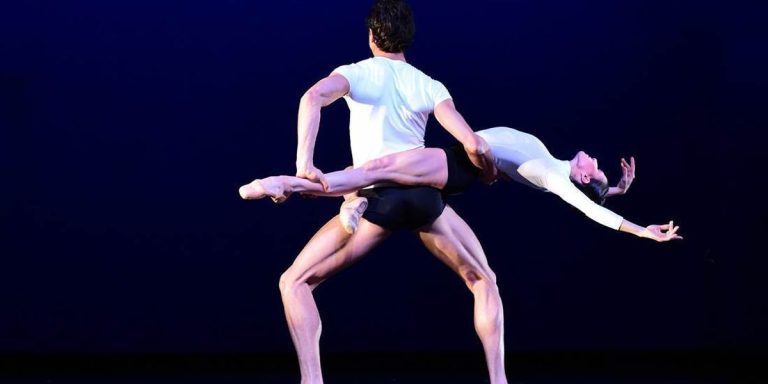
Dancing with others introduces a social dimension to rhythm. Moving in unison requires empathy, attention, and shared intention. These interactions activate brain regions involved in social cognition and communication.
I have experienced moments where group rhythm creates a powerful sense of connection. These shared experiences foster trust and cooperation, reinforcing social bonds. The brain adapts to these interactions by strengthening networks related to empathy and understanding.
Social synchronization through rhythm supports brain development by integrating emotional and cognitive processing. Group dance environments provide rich stimulation that individual practice alone cannot replicate. This collaborative aspect enhances overall neural complexity.
Sensory Integration And Awareness
Rhythmic dance integrates multiple sensory inputs at once. Hearing music, feeling movement, and sensing spatial relationships happen simultaneously. The brain must combine these signals into a cohesive experience.
Over time, this integration sharpens sensory awareness. I became more attuned to subtle changes in timing and movement quality. This heightened awareness reflects improved communication between sensory regions of the brain.
Effective sensory integration supports learning and adaptation. Rhythm-based movement trains the brain to process complex information efficiently. This skill is valuable not only in dance but in navigating everyday environments.
Development Across The Lifespan
Rhythm supports brain development at every stage of life. In children, rhythmic movement enhances language skills, attention, and coordination. Early exposure lays a foundation for cognitive flexibility and emotional regulation.
In adults, rhythm continues to refine neural pathways. I have seen dancers maintain sharp mental abilities well into later years. Regular engagement with rhythm promotes neuroplasticity, allowing the brain to adapt and grow continuously.
Even in older populations, rhythmic dance shows promise in supporting memory and balance. The brain remains responsive to rhythmic stimulation, highlighting its lifelong benefits.
Creativity And Neural Flexibility
Rhythm does not limit creativity; it enhances it. Working within a rhythmic structure encourages experimentation and variation. The brain learns to generate new ideas while respecting timing constraints.
I often find that improvisation within rhythm sparks unexpected solutions. This creative problem-solving reflects neural flexibility, a key component of healthy brain development. Rhythm provides a stable base from which creativity can emerge.
Neural flexibility supports learning and resilience. Dance fosters this flexibility by challenging the brain to adapt continuously. Rhythm becomes both a guide and a catalyst for innovation.
Attention And Focus Training
Sustaining attention is essential in rhythmic dance. Missing a beat can disrupt an entire sequence, demanding constant focus. This requirement trains the brain to maintain attention over extended periods.
I noticed improved concentration in tasks unrelated to dance. The discipline of staying on rhythm translated into better focus at work and in study. This transfer highlights how rhythmic training strengthens attentional networks.
Attention supports effective learning and decision-making. Rhythm-based practice reinforces these networks through repeated, engaging challenges. The brain learns to stay present and responsive.
Final Thoughts
The connection between rhythm and brain development is both profound and practical. Through dance, rhythm becomes a tool that shapes cognition, emotion, and social awareness. My experiences align with scientific findings that show how rhythmic movement strengthens neural connections and supports lifelong brain growth.
Dance offers more than physical expression. It provides a structured yet dynamic environment where the brain can thrive. Rhythm guides this process, turning movement into a powerful catalyst for development.
Recognizing the role of rhythm deepens appreciation for dance as a holistic practice. Each step on the beat contributes to a healthier, more adaptable brain. This understanding reinforces why rhythm remains central to both movement and mind.