Teaching Dance: Common Mistakes New Instructors Make
Teaching dance carries a different weight than performing it. Stepping into the role of instructor shifts responsibility from personal progress to guiding others through theirs. The transition can feel exciting and intimidating at the same time, especially for new instructors eager to share knowledge and passion. Good intentions, however, do not automatically translate into effective teaching.
Over time, patterns emerge in studios and classrooms. Many new dance instructors repeat the same mistakes, not because they lack care or skill, but because teaching requires a different mindset than training or performing. Recognizing these missteps early can make the difference between a frustrating teaching experience and one that genuinely supports students.
This topic matters because teaching habits form quickly. The way a new instructor communicates, structures class, and responds to students often becomes ingrained. Addressing common mistakes early creates better learning environments and helps instructors grow alongside their students.
Talking Too Much and Dancing Too Little
One of the most common mistakes new instructors make is overexplaining. Wanting to be thorough, they fill classes with long verbal descriptions that overwhelm students. Dance is a physical art, and too much talking can interrupt flow and dilute focus.
Clear explanation matters, but it works best when paired with movement. Demonstration allows students to process information visually and kinesthetically. Excessive talking often reflects instructor nerves rather than student need.
Learning to trust concise cues improves class quality. Letting students move, try, and repeat builds understanding more effectively than extended lectures.
Teaching the Way One Was Taught
Many instructors default to teaching exactly how they were trained. This approach feels familiar and safe, but it does not always serve current students. Every group has different needs, abilities, and learning styles.
What worked for one dancer in a specific environment may not translate well to others. Assuming students should adapt to one rigid method often leads to frustration on both sides. Effective teaching requires flexibility.
Adapting instruction to the room shows awareness and respect. Teaching becomes responsive rather than rehearsed, which strengthens connection and learning.
Expecting Students to Learn at the Same Speed
New instructors often struggle with pacing. Setting expectations based on personal learning speed can create unrealistic pressure. Not every student processes information at the same rate.
Dance classes typically include a wide range of backgrounds, ages, and abilities. Moving too fast can leave students confused, while moving too slowly can disengage others. Finding balance takes practice and observation.
Acknowledging varied learning speeds builds trust. Providing repetition and options allows students to progress without feeling left behind or held back.
Correcting Everything at Once
Correction is essential in dance education, but too much feedback at once can overwhelm students. New instructors sometimes point out every flaw they notice, hoping to be helpful.
This approach often backfires. Students may become tense, confused, or discouraged. Learning improves when feedback is focused and prioritized.
Choosing one or two key corrections per exercise creates clarity. Over time, layering information becomes more effective than delivering it all at once.
Demonstrating Without Explaining Purpose
Demonstration is powerful, but without context it can become imitation rather than learning. New instructors sometimes demonstrate movement without explaining why it matters.
Students may copy shapes without understanding intention, alignment, or mechanics. This limits long-term growth and problem-solving skills.
Connecting movement to purpose deepens comprehension. Brief explanations about why an exercise exists or what it develops make demonstrations more meaningful.
Assuming Students Know More Than They Do
Another common mistake is overestimating student knowledge. New instructors often forget what it feels like to be new, assuming terminology or concepts are obvious.
This gap can create confusion and embarrassment for students hesitant to ask questions. Clear definitions and reminders support confidence.
Revisiting basics does not lower class quality. It strengthens foundations and ensures everyone shares the same reference points.
Focusing Too Much on Advanced Students
Strong or fast-learning students often draw attention. New instructors may gravitate toward them, using them as examples or benchmarks.
While this can be motivating for some, it can alienate others. Classes should not feel designed only for the most advanced participants.
Balancing attention ensures inclusive learning. Supporting quieter or struggling students builds a healthier class dynamic.
Neglecting Musicality and Timing
Technique often dominates early teaching efforts. New instructors may focus heavily on steps and shapes while overlooking musicality.
Dance lives in music. Ignoring rhythm, phrasing, and timing disconnects movement from its context. Students may perform steps correctly but without expression or flow.
Integrating musical cues from the beginning strengthens coordination and artistry. Musical awareness supports all styles and levels.
Teaching Choreography Too Quickly
Eagerness to impress can lead instructors to teach complex choreography too fast. While challenging material has value, speed without clarity limits retention.
Students may survive the class but leave without real understanding. This creates short-term excitement but weak long-term progress.
Breaking choreography into manageable sections allows deeper learning. Repetition and review help students build confidence and memory.
Avoiding Silence and Observation
Silence in a class can feel uncomfortable, especially for new instructors. The urge to fill every moment with sound often replaces valuable observation time.
Watching students move without speaking reveals patterns, struggles, and strengths. Observation informs better corrections and pacing.
Allowing moments of quiet focus encourages self-awareness. Students learn to listen to their bodies rather than relying solely on external cues.
Not Setting Clear Class Structure
A lack of structure creates confusion. New instructors sometimes improvise class flow without a clear plan, hoping spontaneity will energize the room.
Without structure, classes can feel disjointed or rushed. Warm-ups may be incomplete, or cooldowns may be skipped entirely.
A clear framework supports both instructor and students. Predictable structure creates safety and allows creativity to emerge within boundaries.
Ignoring Warm-Up and Cooldown Importance
Warm-ups and cooldowns are often rushed or treated as optional. New instructors may prioritize choreography over physical preparation.
This increases injury risk and reduces movement quality. The body needs gradual preparation and recovery to function well.
Thoughtful warm-ups and cooldowns show professionalism. They signal care for student well-being and support sustainable training.
Overidentifying as a Performer Instead of a Teacher
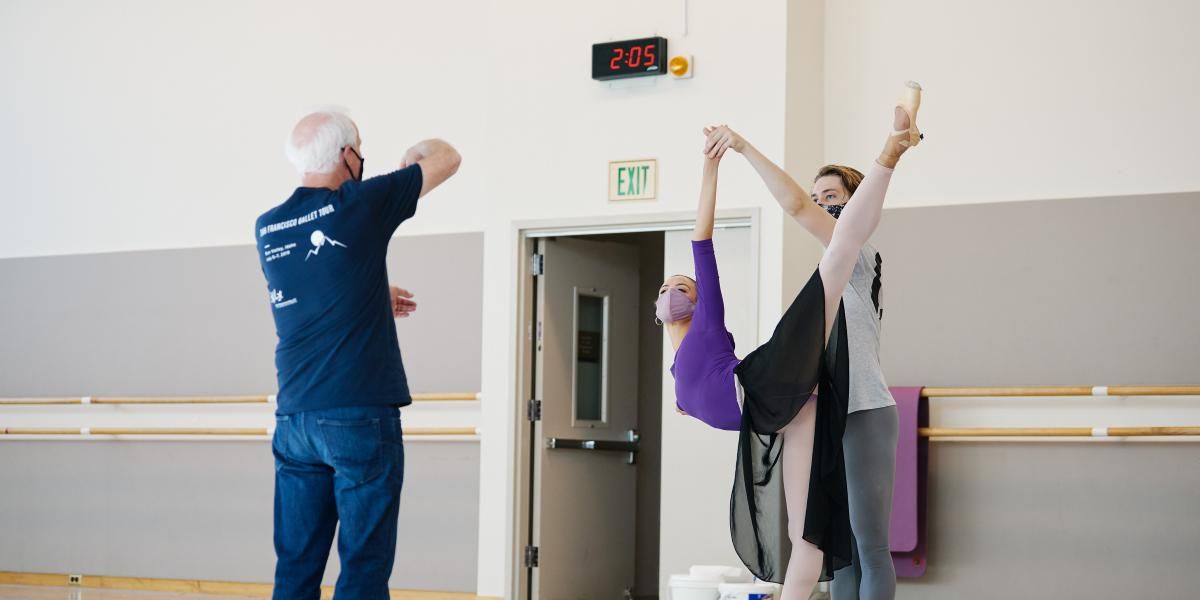
Strong performers do not automatically become strong teachers. New instructors sometimes teach as if performing for an audience rather than guiding learners.
Facing mirrors, dancing full-out constantly, or focusing on personal execution can disconnect instructors from students.
Teaching requires observation, adjustment, and communication. Shifting focus outward strengthens instructional effectiveness.
Struggling With Classroom Authority
Authority can feel uncomfortable for new instructors, especially those close in age to students. Avoiding boundaries may seem friendly but often leads to chaos.
Clear expectations around behavior, focus, and respect create safer learning environments. Authority does not require harshness.
Confident, calm leadership allows students to relax and engage fully. Consistency builds respect naturally.
Comparing Students to Each Other
Comparison undermines confidence. New instructors may unintentionally compare students aloud, praising one at another’s expense.
Even positive comparisons can create pressure or resentment. Students benefit more from individualized feedback.
Focusing on personal progress fosters healthier motivation. Each dancer’s journey deserves recognition on its own terms.
Taking Student Struggles Personally
When students struggle, new instructors may blame themselves or feel frustrated. Teaching setbacks can feel like personal failures.
Not every challenge reflects poor instruction. Bodies learn at different rates, and external factors affect performance.
Maintaining emotional distance allows instructors to respond constructively. Reflection improves teaching more than self-criticism.
Avoiding Feedback From Students
Feedback can feel threatening early on. New instructors may avoid asking for input or dismiss concerns defensively.
Students offer valuable insight into pacing, clarity, and atmosphere. Listening does not mean surrendering authority.
Openness to feedback supports growth. Teaching improves when instructors remain learners themselves.
Forgetting to Encourage Curiosity
Classes focused solely on correctness can stifle curiosity. New instructors may emphasize right and wrong without inviting exploration.
Dance thrives on experimentation. Encouraging questions and personal interpretation deepens engagement.
Curiosity builds ownership. Students who feel safe exploring become more invested in their learning.
Teaching Without Clear Objectives
Classes without clear goals often feel scattered. New instructors may plan content without defining purpose.
Students benefit from knowing what they are working toward. Objectives guide attention and effort.
Clear goals do not limit creativity. They provide direction that makes learning more satisfying.
Neglecting Personal Teaching Development
Teaching skills require practice and reflection. New instructors sometimes focus solely on student progress while neglecting their own growth.
Observing other teachers, seeking mentorship, and continuing education strengthen teaching ability.
Teaching improves through intentional development. Staying curious prevents stagnation and burnout.
Letting Ego Interfere With Learning
Ego can quietly shape teaching behavior. New instructors may feel pressure to appear knowledgeable or flawless.
Admitting uncertainty or mistakes can feel risky but builds trust. Students respect honesty and humility.
Letting go of ego creates space for authentic connection. Teaching becomes collaborative rather than performative.
Final Thoughts
Teaching dance is a skill that develops over time. Mistakes are not signs of failure but opportunities for refinement. Awareness accelerates growth and improves the experience for both instructors and students.
New instructors who reflect, adapt, and remain open build stronger classes and healthier learning environments. Teaching becomes more effective when curiosity replaces perfectionism.
Dance education thrives on thoughtful guidance. Avoiding common mistakes allows instructors to support not just technique, but confidence, joy, and long-term engagement in dance.