Musicality Explained: How to Dance With the Music
Musicality is the difference between executing steps and truly dancing. It is what makes movement feel alive rather than rehearsed, intentional rather than mechanical. Technique can impress, but musicality connects. It turns choreography into conversation and transforms sound into physical expression.
Music is not just a background element in dance. It is an active partner that shapes timing, texture, emotion, and energy. Dancing with the music means listening deeply, responding honestly, and allowing sound to influence how movement exists in the body. Musicality is not reserved for musicians or naturally rhythmic people. It is a skill that develops through attention, curiosity, and practice.
This relationship between sound and movement is deeply personal. Each dancer hears and feels music differently. Developing musicality is about refining that relationship rather than copying someone else’s interpretation.
What Musicality Really Means in Dance
Musicality is often reduced to staying on count, but that definition barely scratches the surface. Timing is important, yet musicality extends far beyond hitting beats correctly. It involves how movement reflects rhythm, melody, dynamics, and emotion.
Dancing with musicality means responding to what the music is doing, not just when it is doing it. Accents, pauses, crescendos, and textures all invite different physical responses. Musicality lives in quality as much as in timing.
This skill requires active listening. Music is not a fixed structure to follow but a living element that evolves over time. Musicality grows when movement evolves with it.
Listening Before Moving
Strong musicality starts before any movement happens. Listening without dancing trains awareness and sensitivity. I spend time sitting with music, noticing layers, rhythms, and emotional shifts.
This kind of listening reveals patterns that might be missed during movement. Instruments enter and exit, rhythms change, and dynamics fluctuate. Each change offers information that can shape movement choices.
Listening also builds anticipation. Knowing what is coming allows movement to respond rather than react. That sense of preparedness creates confidence and clarity.
Feeling Rhythm in the Body
Rhythm is the backbone of musicality. It provides structure and grounding. Feeling rhythm physically anchors movement and prevents it from floating disconnected from the music.
Rhythm lives in weight shifts, footfalls, and breath. Allowing the body to mark rhythm naturally through walking, bouncing, or swaying builds internal timing. This physical connection makes rhythm intuitive rather than intellectual.
Different styles emphasize rhythm differently. Exploring how rhythm manifests across genres expands versatility and deepens musical awareness.
Beyond Counts and Numbers
Counts are useful tools, but they are not music. Relying too heavily on numbers can limit expression. Musicality thrives when dancers move beyond counting and into listening.
Music breathes, stretches, and compresses in ways numbers cannot fully capture. Phrasing often flows across counts rather than landing squarely on them. Dancing musically means honoring that flow.
Letting go of strict counting requires trust. Trust in the body, trust in the ear, and trust in the relationship with sound. That trust opens space for nuance.
Responding to Melody and Harmony
Melody carries emotional information. It rises, falls, and lingers. Dancing with melody invites movement that reflects shape rather than just rhythm.
Following melodic lines can inspire curves, extensions, and sustained motion. Harmony adds depth, often suggesting layers or tension beneath the surface. Movement can mirror this complexity through contrast or counterbalance.
Allowing melody to guide movement creates visual music. The audience sees the sound expressed through the body.
Using Dynamics to Shape Movement
Dynamics refer to changes in volume, intensity, and energy. Musicality becomes vivid when movement responds to these shifts. Loud does not always mean big, and soft does not always mean small.
Dynamics influence weight, speed, and texture. A sudden accent might inspire sharpness, while a swelling phrase may call for expansion. Responding to these cues creates variation and keeps movement engaging.
Ignoring dynamics flattens performance. Honoring them brings contrast, which is essential for musical storytelling.
The Role of Silence and Pauses
Silence is part of music, not the absence of it. Pauses create tension, anticipation, and release. Musicality includes knowing when not to move.
Stillness can echo silence powerfully. Holding energy without motion allows the audience to feel the pause rather than watch it pass. This restraint often carries more impact than constant movement.
Pauses also reset attention. They create space for the next phrase to land more clearly. Dancing with silence requires confidence and control.
Phrasing Movement Like Sentences
Music is organized into phrases, much like language. Musicality improves when movement reflects this structure. Instead of treating choreography as a string of steps, it becomes a series of ideas.
Each phrase has a beginning, middle, and end. Movement can build, peak, and resolve alongside the music. This phrasing creates coherence and intention.
Clear phrasing helps the audience follow the dance. It feels satisfying and complete rather than rushed or fragmented.
Texture and Quality in Musical Interpretation
Texture refers to how music feels, not just how it sounds. Smooth, gritty, sharp, or fluid qualities invite corresponding movement textures. Musicality deepens when these qualities are embodied.
Matching texture does not mean literal imitation. It means translating sensation into movement. A rough sound might inspire grounded weight, while a smooth sound may call for continuity.
Exploring texture adds richness to performance. It prevents movement from feeling one-dimensional.
Emotional Listening and Expression
Music carries emotion, even when abstract. Musicality involves emotional listening as much as technical awareness. Feeling the mood of the music informs expression naturally.
Emotion does not require exaggeration. Subtle shifts in energy, timing, or focus can communicate depth. Allowing emotion to influence movement keeps performance honest.
Forcing emotion disconnects movement from music. Letting it emerge organically strengthens musical connection.
Timing Choices and Intentional Delay
Musicality is not about always landing exactly on the beat. Sometimes the most musical choice is to arrive early or late. These timing decisions create tension and release.
Delaying movement slightly behind the beat can create weight and gravity. Moving ahead can create urgency or playfulness. These choices depend on style, music, and intention.
Intentional timing shows confidence and awareness. It signals that movement is guided by listening rather than habit.
Training Musicality Without Choreography
Musicality develops fastest when explored outside fixed choreography. Improvisation encourages listening and response. It removes the safety net of predetermined steps.
Improvising to music highlights habits and preferences. It reveals how the body naturally responds to sound. This awareness informs future choices in choreography.
Structured improvisation, such as responding only to rhythm or dynamics, sharpens specific skills. These exercises translate directly into performance.
Musicality Across Different Dance Styles
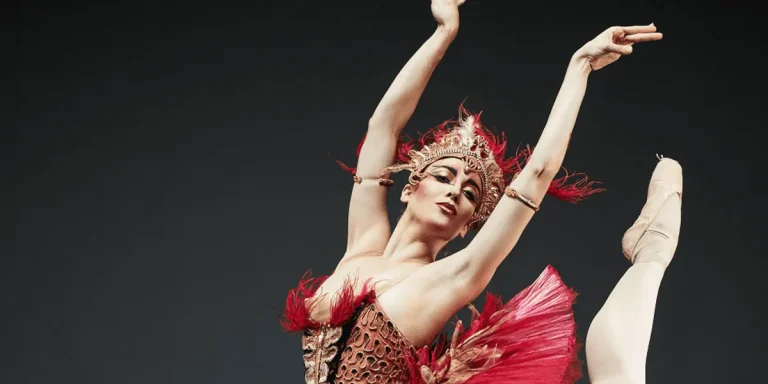
Musicality looks different across styles, but the core principles remain consistent. Ballet emphasizes phrasing, line, and musical breath. Hip-hop often highlights rhythm, accents, and texture.
Exploring multiple styles broadens musical vocabulary. It challenges the body to respond to sound in new ways. This versatility strengthens overall musical awareness.
Respecting stylistic context is essential. Musicality honors both the music and the tradition it comes from.
Avoiding Common Musicality Traps
Over-dancing is a common trap. Filling every moment with movement can drown out musical detail. Musicality often improves with restraint.
Another trap is mimicking musicality rather than feeling it. Copying accents without internal connection leads to empty gestures. Authentic musicality comes from genuine listening.
Staying curious prevents stagnation. Musicality evolves as ears and body evolve.
Building Musical Confidence Over Time
Confidence in musicality grows through repetition and reflection. Recording performances and rehearsals reveals how movement aligns with music. Watching without judgment encourages growth.
Feedback from teachers or peers can highlight missed opportunities or strong choices. External perspectives sharpen awareness.
Patience is essential. Musicality is a lifelong practice, not a box to check. Each piece of music offers new lessons.
Letting Music Lead Rather Than Follow
Many dancers move first and let music catch up. Musicality deepens when the opposite happens. Allowing music to initiate movement changes the dynamic entirely.
This approach requires surrender. It asks the dancer to listen actively and respond honestly. Control shifts from planning to presence.
When music leads, movement feels inevitable rather than forced. That inevitability reads as musical confidence.
Integrating Musicality Into Choreography
Choreography provides structure, but musicality brings it to life. Even set steps allow for musical interpretation through timing, texture, and focus.
Exploring different ways to perform the same choreography reveals musical options. Small changes can dramatically alter how a piece feels.
Ownership of choreography comes from these choices. Musicality turns steps into personal expression.
Musicality as Communication With the Audience
The audience experiences music through the dancer’s body. Musicality makes sound visible. It guides the audience’s attention and emotional response.
Clear musical choices help the audience understand what matters in the music. They feel invited into the listening experience rather than left outside it.
This connection transforms performance into dialogue. Music, dancer, and audience become part of the same moment.
Final Thoughts
Musicality explained simply comes down to relationship. It is the relationship between sound and movement, listening and responding, intention and expression. Dancing with the music means allowing it to shape how movement exists rather than treating it as background.
This skill develops through curiosity, patience, and practice. It asks for presence more than perfection. Each song offers an opportunity to listen deeper and respond more honestly.
When musicality is present, dance feels inevitable. Movement and music belong together, and the audience feels that connection without needing it explained.