How to Build Strong Feet and Ankles for Dance
Strong feet and ankles sit at the foundation of everything I do as a dancer. Every jump, turn, balance, and transition begins with how well my feet connect to the floor and how my ankles manage force. When this foundation is weak or neglected, technique suffers, confidence drops, and injuries become more likely. When it is strong, movement feels lighter, more controlled, and more expressive.
Feet and ankles are often treated as passive parts of the body, expected to perform without much direct training. Many dancers focus heavily on turnout, extensions, and flexibility while assuming foot strength will develop on its own. In reality, these structures work constantly and deserve targeted attention. Building strength here is not about aesthetics alone, but about stability, power, and longevity.
This article explores how to build strong feet and ankles for dance through awareness, conditioning, and consistent habits. I will focus on why this strength matters, common mistakes dancers make, and how small, intentional practices can transform how movement feels from the ground up.
Why Feet and Ankles Matter More Than Most Dancers Realize
Feet and ankles absorb and redirect force every time they meet the floor. They manage body weight during balances, cushion landings from jumps, and provide propulsion during takeoff. Without sufficient strength, these forces travel upward into the knees, hips, and lower back.
Strong feet improve balance by increasing stability at the base. When the foot can actively grip, release, and adapt, the rest of the body responds more efficiently. Ankles that can control range rather than collapse into it allow for cleaner alignment and safer movement.
I notice that when my feet feel strong, my dancing feels quieter and more controlled. Landings sound softer, balances settle faster, and transitions feel smoother. This is not accidental. It is the result of a foundation doing its job well.
The Difference Between Flexibility and Strength in the Feet
Many dancers associate good feet with flexibility, particularly the ability to point or arch deeply. While mobility is important, flexibility without strength can become a liability. An ankle that moves easily but lacks control is more prone to injury.
Strength allows the foot and ankle to actively hold positions rather than falling into them. This distinction matters in relevés, pointe work, and sustained balances. Control at end range protects joints and improves line quality.
I have learned that strength often enhances the appearance of flexibility. A well-supported arch looks more defined, and a controlled point reads as stronger and more intentional. Strength gives shape meaning.
Common Weaknesses in Dancers’ Feet and Ankles
Many dancers struggle with similar patterns of weakness. Collapsing arches, sickled feet, unstable relevés, and noisy landings all point to gaps in foot and ankle strength. These issues often persist because they are compensated for elsewhere.
Weak intrinsic foot muscles lead to overreliance on larger muscles in the calves or hips. Ankles may roll inward or outward under load, disrupting alignment. Over time, these compensations increase stress on surrounding joints.
I have seen these patterns improve dramatically with focused work. Addressing weakness at the source rather than correcting symptoms higher up the body creates more lasting change.
Building Awareness Before Building Strength
Before strength can improve, awareness must develop. Many dancers move through their feet without fully sensing what they are doing. Bringing attention to contact points, weight distribution, and movement quality changes how the foot engages.
Simple practices like slow rises to relevé or deliberate foot articulations build this awareness. Feeling each toe connect to the floor and noticing how weight shifts across the foot creates a stronger mind-body connection.
I find that awareness transforms exercises from routine to meaningful. When I know what I am training and why, the work becomes more effective and easier to maintain.
Strengthening the Intrinsic Foot Muscles
The intrinsic muscles of the foot are small but powerful. They support the arch, stabilize the toes, and help distribute force. These muscles often weaken in dancers who rely heavily on shoes or focus only on large movements.
Exercises that involve spreading the toes, doming the arch, or gripping the floor with control target these muscles effectively. Slow, controlled movements are more valuable than high repetitions.
I notice that as these muscles strengthen, my feet feel more alive. Balance improves, and I feel less strain in my calves because the work is shared more evenly.
Ankle Strength and Controlled Range of Motion
Ankle strength involves more than pointing and flexing. It includes control in all directions, including inversion and eversion. These movements stabilize the ankle during lateral shifts and uneven landings.
Strengthening through full, controlled ranges helps the ankle adapt to different demands. This is especially important in styles that involve quick direction changes or off-center balances.
I focus on quality over quantity in ankle work. Slow circles, resistance exercises, and controlled rises build strength that translates directly into dance technique.
The Role of Calf Strength in Ankle Stability
The calves play a major role in ankle function. Strong calves support relevés, jumps, and sustained positions. Weak calves force the ankle to bear more load than it should.
Calf strength should be developed through both straight-leg and bent-leg exercises. This ensures that both primary calf muscles are engaged. Balanced development improves endurance and control.
I have found that when my calves are strong but not overworked, my ankles feel more stable and responsive. Strength here supports both power and finesse.
Barefoot Training and Sensory Feedback
Barefoot training can be a powerful tool for building foot strength. Without shoes, the foot must adapt directly to the floor. Sensory feedback increases, encouraging active engagement.
Working barefoot allows intrinsic muscles to activate more naturally. It also reveals imbalances that shoes may hide. Uneven weight distribution becomes more noticeable.
I use barefoot work selectively, especially during conditioning or warm-ups. It reminds my feet how to function independently rather than relying on external support.
The Impact of Footwear on Strength
Footwear influences how the foot works. Highly supportive shoes can reduce the workload placed on intrinsic muscles. While this can be helpful during recovery, constant reliance may slow strength development.
Dance shoes vary widely in how much freedom they allow. Some encourage articulation, while others restrict movement. Being mindful of how footwear affects engagement helps balance protection and training needs.
I think of shoes as tools rather than solutions. They support dancing but do not replace the need for strong, capable feet.
Building Strength Through Dance Technique
Technique itself can strengthen feet and ankles when executed with intention. Clean relevés, controlled pliés, and articulate footwork all contribute to strength development.
Rushing through transitions or relying on momentum reduces the training effect. Slowing down and emphasizing control increases strength gains without adding extra exercises.
I treat technique class as conditioning when I stay present. The same combinations become strength-building tools rather than just choreography.
Balance Work and Ankle Control
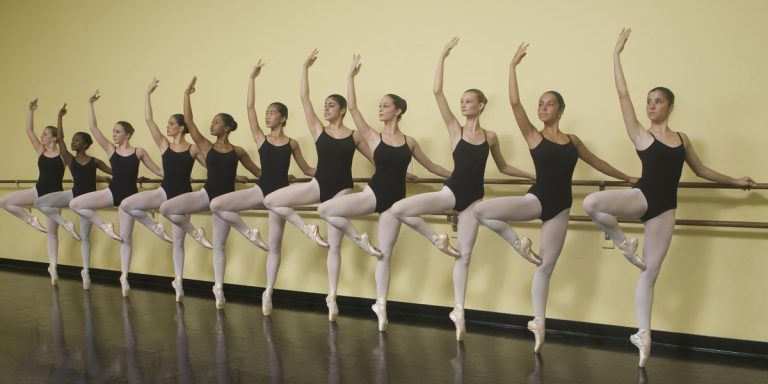
Balance challenges the ankle’s ability to make constant micro-adjustments. Single-leg balances, especially on demi-pointe, develop stability and proprioception.
These exercises train the ankle to respond quickly to changes in weight and alignment. Over time, balance improves not only in static positions but also in dynamic movement.
I notice that improved balance reduces mental strain. When my ankles feel reliable, I can focus on expression rather than staying upright.
Jumping and Landing Mechanics
Strong feet and ankles are essential for safe jumping and landing. The foot must absorb force gradually, spreading impact rather than allowing it to jolt the joints.
Practicing quiet, controlled landings builds strength and awareness. Emphasizing articulation through the foot during takeoff and landing trains proper mechanics.
I pay close attention to how my feet meet the floor. When strength improves, jumps feel more elastic and less taxing on the rest of the body.
Preventing Injury Through Strength
Many common dance injuries involve the foot and ankle, including sprains, tendinitis, and stress reactions. Strength reduces injury risk by improving control and load tolerance.
Strong ankles are less likely to roll under unexpected stress. Strong feet distribute force more evenly, reducing strain on specific tissues.
I see strength training as preventative care. Investing time here often saves time lost to injury later.
Integrating Strength Work Into a Dance Schedule
Foot and ankle work does not need to be time-consuming. Short, consistent sessions integrated into warm-ups or cooldowns are often enough.
Five to ten minutes of focused work several times a week produces noticeable changes. Consistency matters more than intensity.
I prefer integrating strength into daily routines rather than treating it as a separate obligation. This makes it sustainable and effective.
Recovery and Avoiding Overuse
Strength building must be balanced with recovery. Feet and ankles work constantly in dance, so they need time to adapt. Overtraining can lead to soreness or irritation.
Listening to signs of fatigue and adjusting intensity prevents setbacks. Gentle mobility and massage support circulation and recovery.
I remind myself that rest supports strength gains. Recovery allows tissues to rebuild and grow stronger.
Long-Term Benefits of Strong Feet and Ankles
Over time, strong feet and ankles improve overall technique. Turns become more stable, jumps feel lighter, and endurance increases. Confidence grows because the foundation feels secure.
Strong foundations also support artistic freedom. When I trust my feet, I can take expressive risks without fear of losing control.
These benefits extend beyond dance. Strong feet improve posture, walking mechanics, and general movement quality.
Teaching and Learning Foot Strength
Teachers play a key role in emphasizing foot and ankle strength. Clear cues about articulation, alignment, and control guide students toward better habits.
Students benefit from understanding why foot work matters rather than just being told to point harder. Education empowers dancers to train more intelligently.
I appreciate instructors who address foot strength explicitly. Their guidance helps prevent long-term issues and builds resilient dancers.
Final Thoughts
Building strong feet and ankles for dance is not about quick fixes or extreme routines. It is about consistent, mindful training that respects how these structures function. Strength here supports technique, protects against injury, and enhances performance quality.
Feet and ankles carry the full weight of dance, both literally and figuratively. Giving them the attention they deserve changes how the entire body moves. Progress becomes steadier and more sustainable.
By investing in this foundation, dancers create a base that supports growth for years to come. Strong feet and ankles do not just improve dance. They make dancing feel better from the ground up.