How to Balance Technique Classes and Creative Exploration
Dance training often pulls in two directions at once. Technique classes demand structure, repetition, and discipline, while creative exploration asks for freedom, curiosity, and risk. Both are essential, yet balancing them can feel like a constant negotiation inside the studio and inside the dancer. Over time, I have seen how leaning too far in either direction creates gaps that eventually show up in performance, confidence, and longevity.
The tension between technique and creativity is not a problem to eliminate but a relationship to manage. Dance thrives when precision and imagination inform each other rather than compete. Finding that balance requires intention, patience, and a willingness to rethink how training time is valued. Technique classes and creative exploration are not opposing forces; they are partners that shape a complete dancer.
Why Technique Still Matters Deeply
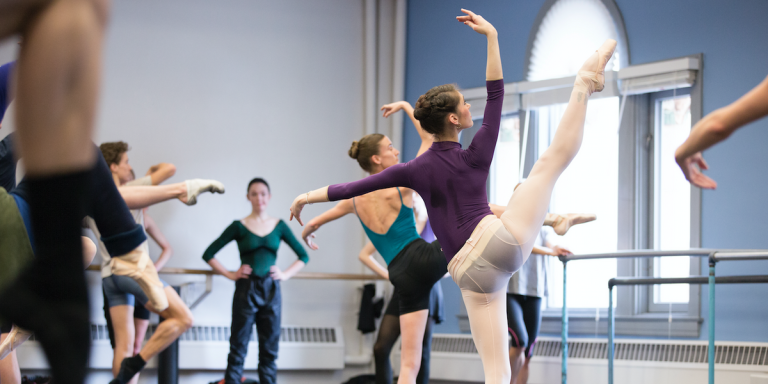
Strong technique provides the physical language that allows ideas to be communicated clearly. Alignment, coordination, and control give movement clarity and efficiency. Without this foundation, creative ideas can become difficult to execute safely or consistently. Technique supports the body so it can respond reliably under pressure.
Technique classes also build discipline and focus that transfer into creative work. Repetition trains attention, endurance, and resilience. These qualities become essential when experimenting with unfamiliar movement or developing choreography over time. Technique is not about limiting expression but about giving it stability.
Where Technique Can Become Restrictive
Problems arise when technique becomes the sole measure of progress. Obsession with perfection can shrink a dancer’s willingness to take risks. Fear of mistakes often replaces curiosity, and movement becomes cautious rather than alive. Creativity struggles to survive in environments where deviation is punished.
Rigid technical frameworks can also disconnect dancers from their instincts. Movement starts to feel imposed rather than discovered. When technique dominates every class and rehearsal, dancers may lose trust in their own physical intelligence. Balance requires recognizing when structure starts to overshadow exploration.
The Role of Creative Exploration in Training
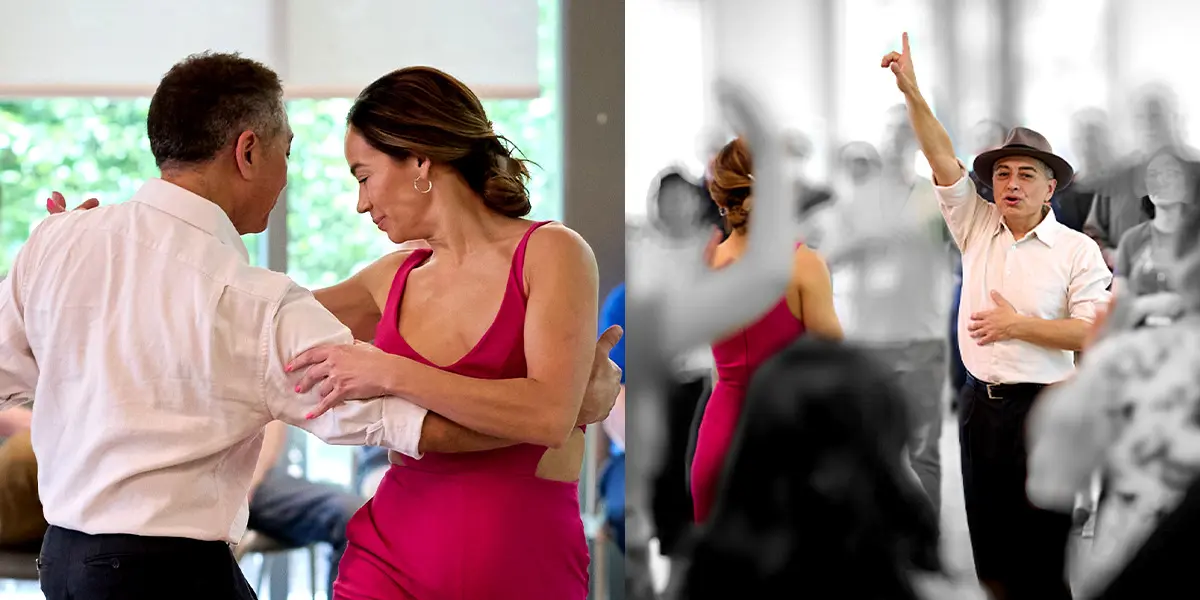
Creative exploration keeps dance responsive and personal. It allows dancers to test ideas, question habits, and develop their own movement voices. Improvisation and choreographic tasks encourage problem-solving rather than imitation. This process builds adaptability and confidence.
Exploration also deepens musicality and emotional range. Dancers learn to respond rather than execute. Movement becomes informed by sensation, intention, and context. Creative exploration ensures that technique serves expression rather than replacing it.
Time Management in a Packed Schedule
Balancing technique classes and creative exploration often comes down to how time is allocated. Many training schedules prioritize technique because it feels measurable and productive. Creative work is sometimes treated as optional or secondary. This imbalance sends a message about what is valued.
Intentional scheduling can correct this without sacrificing rigor. Setting aside regular time for exploration gives it legitimacy. Even short sessions can be effective when treated with focus. Balance is less about equal hours and more about consistent presence.
Bringing Creativity Into Technique Classes
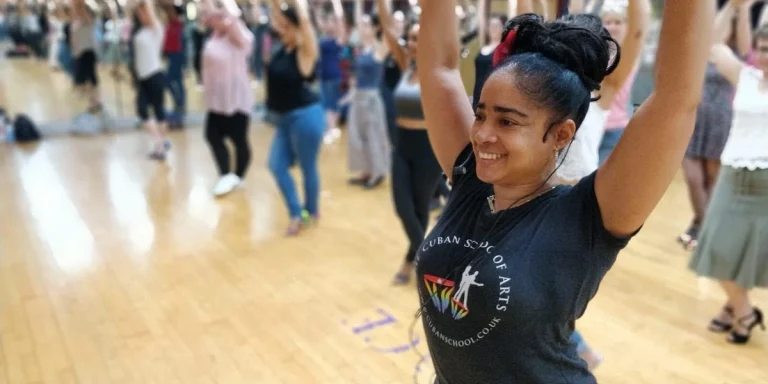
Technique classes do not have to be purely mechanical. Small shifts in teaching and mindset can invite creativity into structured training. Musical variations, imagery, and dynamic changes encourage dancers to make choices rather than follow autopilot. Technique becomes responsive instead of rigid.
Personal intention also plays a role. Focusing on sensation, quality, or emotional tone during exercises transforms repetition into investigation. Technique classes can become spaces for discovery when dancers stay mentally engaged. Creativity does not require abandoning structure.
Using Technique to Support Exploration
Creative exploration benefits from technical awareness. Knowing how the body functions allows dancers to push boundaries safely. Technique provides tools to refine ideas and make them repeatable. Exploration without technique can feel exciting but unsustainable.
When technique is viewed as support rather than control, it becomes empowering. Dancers can shape movement with clarity instead of guessing. This relationship builds trust between intuition and skill. Balance emerges when technique enhances rather than dictates creative choices.
Separating Evaluation From Exploration
One challenge in balancing these areas lies in how work is evaluated. Technique classes often involve constant correction and comparison. Creative exploration suffers when that same evaluative lens is applied too quickly. Ideas need space to exist before being judged.
Creating environments where exploration is free from immediate correction encourages risk-taking. Feedback can come later, once ideas have developed. This separation helps dancers stay open and inventive. Balance depends on knowing when refinement is useful and when it is premature.
The Mental Shift Required
Balancing technique classes and creative exploration requires a mental adjustment as much as a physical one. Switching between precision and openness is a skill in itself. Dancers often carry technical self-criticism into creative spaces, shutting down possibilities. Awareness helps interrupt this pattern.
Developing distinct mindsets for different types of work can help. Technique sessions benefit from focus and specificity. Creative sessions thrive on curiosity and play. Learning to transition intentionally between these modes protects both processes.
The Influence of Teaching Styles
Teachers shape how dancers perceive the relationship between technique and creativity. Instructors who value only accuracy can unintentionally discourage exploration. Those who dismiss technique risk leaving dancers without support. Balanced teaching acknowledges both needs.
Clear communication about the purpose of each class helps dancers adjust expectations. When teachers model curiosity alongside discipline, students follow. Balance becomes part of the studio culture rather than an individual struggle. Teaching methods play a crucial role in sustaining this relationship.
Creative Exploration as Skill Building
Creative work is sometimes treated as spontaneous or talent-based, but it develops through practice. Improvisation sharpens decision-making and responsiveness. Choreographic tasks strengthen memory, structure, and problem-solving. These are skills, not accidents.
Recognizing creative exploration as training shifts its status. It becomes something to work on deliberately rather than wait for inspiration. Balance improves when creativity is respected as a discipline. This mindset encourages consistent engagement rather than occasional experimentation.
Avoiding Burnout Through Variety
Training that focuses exclusively on technique can lead to physical and mental exhaustion. Creative exploration offers variety that refreshes motivation. Moving differently engages new muscles and ideas. This variation supports longevity.
Balance also protects emotional investment in dance. Creative work reminds dancers why they move, not just how. Technique maintains capacity, while exploration restores meaning. Together they sustain commitment over time.
Integrating Reflection Into Practice
Reflection bridges technique classes and creative exploration. Taking time to notice what feels effective or challenging deepens both processes. Reflection helps dancers recognize how technique influences creativity and vice versa. This awareness strengthens balance.
Journaling, discussion, or quiet observation can support this integration. Reflection transforms experience into insight. Dance training becomes intentional rather than reactive. Balance grows through understanding personal patterns and needs.
Navigating External Expectations
External pressures often favor technical achievement. Auditions, exams, and assessments prioritize visible skills. Creative growth can feel less immediately rewarded. This imbalance can influence how dancers allocate energy.
Resisting this pressure requires clarity about personal goals. Technique may open doors, but creativity shapes identity. Maintaining balance means valuing both outcomes even when recognition differs. Long-term development benefits from this perspective.
Adjusting Balance Over Time
The balance between technique classes and creative exploration is not fixed. Needs shift depending on experience, goals, and physical condition. Early training may emphasize technique to build foundations. Later stages may require more exploration to refine artistry.
Listening to these shifts prevents stagnation. Flexibility allows training to remain relevant. Balance is a dynamic process rather than a permanent solution. Adjustments keep growth aligned with current needs.
The Body as a Creative Partner
Technique often treats the body as something to control. Creative exploration invites collaboration with sensation and impulse. Balancing these views changes how dancers relate to their bodies. Control and responsiveness can coexist.
Respecting physical feedback supports both safety and expression. Technique teaches how to organize movement. Exploration reveals what movement wants to become. Balance emerges when dancers honor both instruction and intuition.
Building Confidence Through Balance
Confidence grows when dancers feel capable and expressive. Technique provides reliability, while creativity builds authenticity. Neglecting either can undermine confidence in different ways. Balance supports a fuller sense of competence.
Dancers who trust their technique feel secure experimenting. Those who trust their creativity move with conviction. Together, these qualities reinforce each other. Confidence becomes grounded rather than fragile.
Studio Culture and Balance
Studio environments influence how easily balance is achieved. Cultures that value only results discourage exploration. Spaces that lack structure can feel unfocused. Balance thrives in environments that respect process.
Open communication, varied class offerings, and supportive feedback contribute to this culture. When balance is modeled institutionally, dancers internalize it naturally. Studio values shape individual habits more than rules do.
Preparing for Professional Realities
Professional dance demands both precision and adaptability. Technique ensures consistency under pressure. Creative exploration prepares dancers to respond to unexpected challenges. Training that balances both reflects real-world demands.
Choreographers value dancers who can execute and contribute ideas. Balance equips dancers for collaboration rather than compliance. Education that integrates both prepares dancers for sustainable careers. Training becomes preparation for reality rather than idealization.
Final Thoughts
Balancing technique classes and creative exploration is an ongoing practice rather than a fixed achievement. Each supports the other in ways that become clearer over time. Technique gives form, while creativity gives meaning. Dance flourishes when structure and freedom remain in conversation rather than conflict.
Sustainable growth depends on honoring both discipline and curiosity. The most fulfilling training experiences emerge when dancers allow technique to inform exploration and exploration to reshape technique. Balance does not dilute either side; it deepens both.