
How Mirror Neurons Influence Dance Learning
Dance learning often begins before the body ever moves. The moment I watch a teacher demonstrate a phrase, something internal starts shifting. Even before trying the steps, I can feel a sense of familiarity forming, as if my body already knows parts of what it is about to do. This experience is not imagined or symbolic; it is rooted in how the brain processes observed movement.
Mirror neurons play a central role in this process. These specialized neurons activate not only when performing an action but also when observing someone else perform that same action. In dance, where learning relies heavily on demonstration, this neural mechanism becomes especially powerful. It explains why watching can feel almost as instructive as doing.
Exploring how mirror neurons influence dance learning reshapes how rehearsal, observation, and imitation are valued. Learning does not start with execution alone. It starts with perception, attention, and internal simulation, all of which prepare the brain and body for movement long before the first step is taken.
The Discovery Of Mirror Neurons
Mirror neurons were first identified in neuroscience research focused on action and perception. Scientists noticed that certain neurons fired when an individual performed an action and also when they watched someone else perform the same action. This discovery challenged the idea that observation and execution were processed entirely separately.
In dance, this overlap feels intuitive. Watching a leap or turn can trigger a physical response even while standing still. The brain does not remain passive during observation. It actively simulates what it sees.
This simulation provides a neurological explanation for why visual learning is so effective in movement-based disciplines. Dance relies on this built-in system, allowing students to absorb information through focused watching.
Observation As Active Learning
Observation in dance is often underestimated. It can appear passive, especially compared to physical repetition. Neuroscience suggests the opposite. Watching movement activates motor regions of the brain, priming them for action.
While observing choreography, my attention sharpens. Details like timing, weight shifts, and dynamics become clearer. These details are not just seen; they are internally rehearsed.
Mirror neuron activity allows the brain to build a rough motor plan before execution. This preparation reduces the cognitive load when attempting the movement physically. Observation becomes a critical phase of learning rather than a preliminary step.
Internal Simulation And Motor Readiness
Mirror neurons support internal simulation, a process where the brain rehearses movement without physical output. This simulation helps establish neural pathways that guide later execution. The body feels more prepared when movement is finally attempted.
Internal simulation explains why mental rehearsal can improve performance. Imagining choreography activates similar neural networks as actual movement. This shared activation strengthens motor planning.
Dance training often includes moments of stillness where observation dominates. These moments are not breaks from learning. They are periods of intense neural engagement that support skill acquisition.
Imitation And Precision
Imitation lies at the heart of dance education. Students learn by copying shapes, timing, and quality. Mirror neurons facilitate this process by linking visual input directly to motor output.
Precision improves as observation becomes more refined. Watching with intention enhances neural accuracy. The brain learns not just what the movement looks like, but how it should feel.
This connection helps explain why subtle corrections can be addressed visually. Seeing a refined execution can trigger immediate improvement. The brain adjusts motor output based on observed models.
Timing, Rhythm, And Synchronization
Mirror neurons also influence timing and synchronization. Observing rhythmic movement activates temporal processing systems. The brain aligns internal timing with external cues.
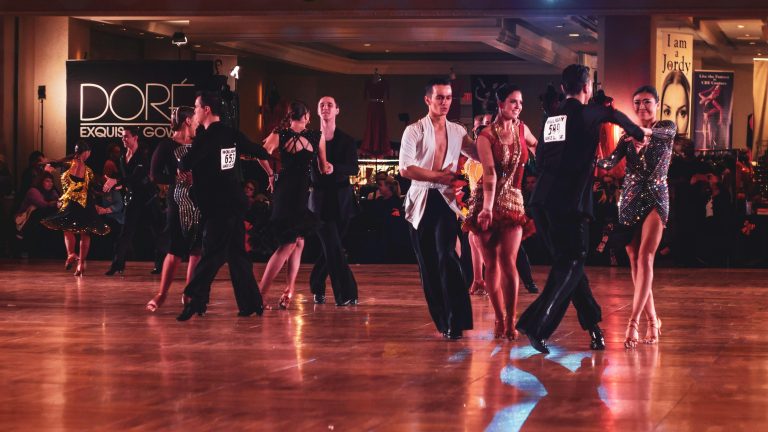
In group settings, this alignment becomes especially important. Watching others move in unison strengthens synchronization. Mirror neuron activity supports collective timing.
This mechanism explains why dancing alongside skilled performers can elevate timing. The brain entrains to observed rhythm, supporting more accurate execution. Learning becomes a shared neural experience.
Emotional Resonance And Expression
Mirror neurons extend beyond physical action to emotional expression. Observing expressive movement can activate emotional circuits alongside motor ones. This connection deepens interpretive learning.
When I watch a performance filled with intention, I often feel the emotion before understanding the steps. That emotional resonance informs how I later perform the movement. Expression transfers through observation.
This process supports artistic development. Dance learning is not limited to mechanics. Mirror neurons help transmit feeling, tone, and quality, enriching performance.
Skill Level And Neural Responsiveness
The effectiveness of mirror neuron activation can vary with experience. Skilled dancers often show stronger motor activation during observation than beginners. Their brains have well-developed movement representations.
As experience grows, observation becomes more detailed. The brain recognizes nuances that were previously invisible. This heightened sensitivity supports advanced learning.
Beginners still benefit from observation, but their internal simulations may be less precise. With practice, neural representations sharpen. Dance training refines how mirror neurons respond to observed movement.
The Role Of Attention In Observation
Mirror neuron activation depends heavily on attention. Passive watching produces weaker neural responses than focused observation. Intention shapes learning outcomes.
When attention is directed toward specific elements, such as weight transfer or timing, mirror neuron activity becomes more targeted. The brain simulates what it attends to most.
This insight changes how observation is used in class. Watching with purpose transforms it into a powerful learning tool. Attention directs neural adaptation.
Social Learning And Group Dynamics
Dance often unfolds in social environments. Mirror neurons support learning within groups by facilitating imitation and empathy. Watching peers navigate challenges provides valuable information.
Group learning benefits from shared observation. Seeing others struggle or succeed informs personal strategies. The brain learns from collective experience.
This social dimension enhances motivation and belonging. Neural systems involved in social cognition engage alongside motor systems. Dance learning becomes both individual and communal.
Feedback And Visual Correction
Visual feedback plays a major role in dance improvement. Mirrors, demonstrations, and peer observation provide constant input. Mirror neurons translate this input into motor adjustments.
Watching a correction demonstrated can be more effective than verbal instruction alone. The brain grasps complex information visually. Execution improves through internal simulation.
This process explains why some corrections click instantly after being seen. The brain recalibrates motor output based on observed accuracy. Learning accelerates through visual feedback.
Memory And Retention Through Observation
Observation strengthens memory by providing an additional encoding pathway. Watching choreography reinforces movement sequences alongside physical practice. Memory becomes more robust.
Mirror neuron activity supports this reinforcement by linking observation to motor memory. The brain stores both visual and kinesthetic information. Recall becomes more reliable.
This dual encoding explains why reviewing choreography visually can refresh memory. Observation activates stored motor patterns. Learning persists beyond physical repetition.
Limitations And Misconceptions
Mirror neurons do not replace physical practice. Observation alone cannot build strength, endurance, or fine motor control. Execution remains essential.
However, dismissing observation undervalues its contribution. Mirror neurons prepare the brain for movement. They enhance efficiency rather than eliminate effort.
Recognizing this balance clarifies how dance learning works best. Observation and execution complement each other. Neural adaptation thrives on their interaction.
Teaching Strategies Informed By Neuroscience
Understanding mirror neurons informs effective teaching strategies. Demonstration becomes more than a courtesy. It becomes a neurological catalyst.
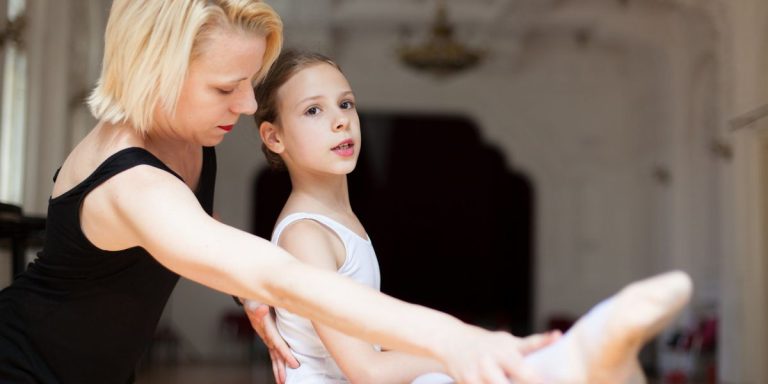
Teachers who demonstrate clearly and intentionally provide strong models for neural simulation. Students benefit from multiple viewing angles and repeated demonstrations.
Encouraging mindful observation enhances learning. Teaching shifts from constant physical repetition to balanced engagement. The brain learns through seeing and doing together.
Individual Differences In Observational Learning
Not all dancers respond to observation equally. Some rely more heavily on visual input, while others depend on sensation or music. These preferences reflect neural diversity.
Mirror neuron systems interact with other learning pathways. Recognizing individual differences allows for personalized strategies. Learning becomes more inclusive.
Supporting multiple modes of input strengthens overall adaptation. Observation remains a valuable tool even when combined with other approaches. The brain benefits from variety.
Performance And Audience Perception
Mirror neurons influence not only learning but also performance reception. Audiences experience movement through internal simulation. Watching dance activates their motor systems.
This shared neural response creates connection. Performances feel engaging because the brain participates. Dance communicates beyond language.
Performers often sense this connection. Expressive movement invites internal mirroring. Understanding this dynamic deepens appreciation for performance quality.
Long-Term Neural Adaptation
Repeated use of mirror neuron systems strengthens their responsiveness. Over time, dancers become more efficient learners. Observation yields quicker insight.
This efficiency reflects long-term neural adaptation. The brain refines how it processes observed movement. Learning accelerates with experience.
Dance training continually reinforces these pathways. The brain remains plastic, adapting to new challenges. Observation remains a lifelong learning resource.
Final Thoughts
Mirror neurons provide a neurological foundation for how dance is learned through observation. They explain why watching movement feels active and instructive. The brain simulates, predicts, and prepares before the body moves.
Dance learning thrives on this connection between seeing and doing. Observation sharpens precision, timing, and expression. It transforms visual input into embodied knowledge.
Recognizing the role of mirror neurons reframes how learning is valued in the studio. Stillness becomes productive, watching becomes active, and movement becomes the visible outcome of deep neural engagement.