
How Dance Training Shapes Discipline and Work Ethic
Discipline rarely announces itself loudly in dance studios. It settles in quietly through repetition, structure, and expectations that do not bend just because motivation dips. Dance training shaped my work ethic long before I recognized it as such, and the habits it built continue to show up far beyond the studio walls. Progress in dance depends less on bursts of inspiration and more on steady commitment, which makes discipline unavoidable rather than optional.
Work ethic in dance is not an abstract idea tied to talent or personality. It grows out of daily practices, corrections that sting at first, and routines that demand attention even on tired days. Over time, these demands reshape how effort feels and how responsibility is carried. Dance training becomes a practical education in discipline, one that rewires how goals are pursued and how challenges are faced.
Discipline Is Built Through Structure
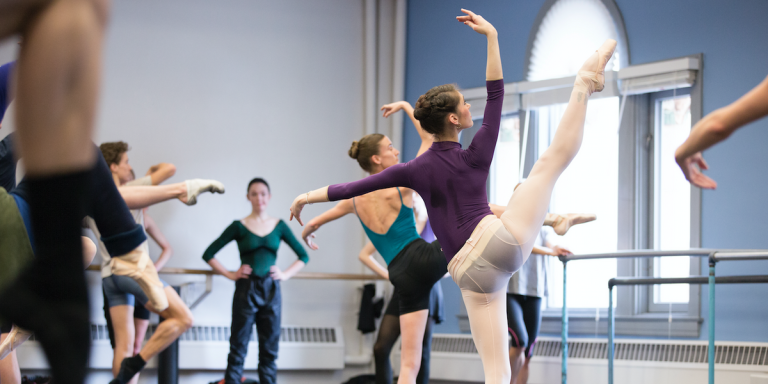
Dance training operates within clear frameworks that leave little room for shortcuts. Class schedules, warm-ups, technique drills, and cooldowns follow consistent patterns that train the mind as much as the body. Showing up on time is not a suggestion, because missing the beginning of class affects safety and performance. That structure teaches respect for time and preparation without the need for lectures.
Within that framework, expectations are clearly defined. Corrections are given with the assumption that they will be applied immediately, not someday in the future. This constant loop of instruction and execution reinforces accountability. Discipline grows because actions are directly connected to outcomes in a way that feels immediate and undeniable.
Consistency Over Motivation
Dance training quickly reveals how unreliable motivation can be. Some days energy flows easily, while other days the body feels heavy and distracted. Progress still depends on completing the work regardless of how inspired the moment feels. Discipline becomes the bridge that carries effort through uneven emotional states.
This reliance on consistency changes how work ethic develops. Effort stops being something reserved for good days and becomes a baseline expectation. Over time, showing up prepared and focused feels normal rather than exceptional. That mindset transfers naturally into other areas of life where motivation fluctuates but responsibility remains.
Repetition Teaches Patience
Dance training is built on repetition, often to a degree that surprises newcomers. Steps are practiced again and again, sometimes over weeks or months, before they feel secure. That repetition teaches patience in a practical way rather than through abstract advice. Improvement becomes something earned through time rather than rushed through shortcuts.
Patience developed in the studio reshapes expectations around progress. Quick results stop being the standard, replaced by trust in gradual development. This outlook strengthens work ethic by reducing frustration when progress feels slow. Effort stays steady because the process itself is respected.
Feedback Builds Accountability
Corrections in dance are direct and immediate. A teacher points out what needs adjustment, and the dancer is expected to apply that feedback in real time. There is little room for defensiveness because the goal is visible improvement rather than personal validation. Discipline grows through this cycle of listening, adjusting, and refining.
Accountability becomes internalized through repeated exposure to feedback. Responsibility for improvement shifts from external instruction to personal awareness. Over time, dancers begin correcting themselves before feedback is even given. This habit reinforces a strong work ethic grounded in self-monitoring rather than constant supervision.
Physical Demands Reinforce Mental Toughness
Dance training challenges physical limits in ways that demand mental resilience. Fatigue, soreness, and discomfort are common, especially during intense training periods. Learning to work through physical challenges without ignoring safety builds a balanced form of toughness. Discipline emerges from knowing when to push and when to rest responsibly.
This balance strengthens work ethic by teaching sustainable effort. Overexertion without awareness leads to injury, while avoidance leads to stagnation. Dance training sits between these extremes, reinforcing disciplined decision-making. That mental toughness carries into situations that require steady focus under pressure.
Goal Setting Becomes Practical
Goals in dance are rarely vague. Mastering a turn, improving flexibility, or refining musicality are specific targets with observable benchmarks. Training encourages breaking large goals into smaller, manageable steps that can be practiced daily. This approach makes discipline feel purposeful rather than restrictive.
Work ethic develops through repeated engagement with these structured goals. Progress is measured not by intention but by visible improvement. That clarity builds trust in effort itself. Goals stop feeling abstract and become motivating because each practice session contributes directly to advancement.
Time Management Is Non-Negotiable
Balancing dance training with school, work, or other responsibilities requires careful planning. Rehearsals and classes are fixed commitments that cannot be easily rescheduled. This reality forces dancers to organize their time efficiently. Discipline becomes a practical skill rather than a personality trait.
Over time, prioritization becomes instinctive. Tasks are planned around training rather than squeezed in at the last minute. This habit strengthens work ethic by reducing procrastination. Time is treated as a resource to be managed intentionally rather than reacted to impulsively.
Delayed Gratification Becomes Normal
Dance training rewards patience more often than immediate success. Improvements are subtle at first and may go unnoticed by others for a long time. Learning to value these small internal shifts builds comfort with delayed gratification. Discipline grows because effort is sustained without constant external reward.
This acceptance of delayed results reshapes how work ethic functions. Effort becomes its own measure of success rather than applause or recognition. That internal motivation supports long-term commitment. It also reduces dependence on validation, allowing focus to remain on growth.
Responsibility to the Group
Many dance environments involve group work where individual effort affects collective outcomes. Being unprepared does not only impact personal progress but also disrupts rehearsals and performances for others. This shared responsibility reinforces discipline through social accountability. Work ethic becomes tied to respect for the group.
That awareness encourages consistency and reliability. Dancers learn to show up ready because others depend on them. This sense of responsibility extends beyond dance into collaborative work environments. Discipline is no longer self-centered but integrated into teamwork.
Precision Shapes Attention to Detail
Dance training demands attention to small details that significantly affect performance quality. Alignment, timing, and placement require constant awareness. Developing this level of precision strengthens focus and discipline simultaneously. Work ethic becomes rooted in careful execution rather than rushed completion.
This attention to detail influences how tasks are approached outside the studio. Sloppy effort feels unsatisfying after years of refining technique. Discipline expresses itself through thoroughness and pride in craftsmanship. That mindset supports high standards across different types of work.
Mistakes Become Learning Tools
Errors in dance are unavoidable and often visible. Missing a step or losing balance happens in front of mirrors and peers. Training reframes mistakes as information rather than failures. Discipline grows through the willingness to analyze errors and adjust accordingly.
This perspective strengthens work ethic by reducing fear of imperfection. Effort remains consistent because mistakes are expected rather than avoided. Resilience builds naturally through this process. Progress becomes a series of refinements rather than a pursuit of flawlessness.
Routine Builds Momentum
Daily routines in dance create a sense of momentum that supports discipline. Warm-ups prepare both body and mind for focused work. Rehearsal structures guide energy toward productive effort. These routines reduce decision fatigue by establishing predictable patterns.
Momentum strengthens work ethic by making effort feel automatic rather than forced. Once routines are established, consistency requires less conscious resistance. This ease does not reduce intensity but supports sustainability. Discipline becomes embedded in habit rather than reliant on willpower alone.
Respect for Process Over Outcome
Dance training emphasizes process as much as performance. Rehearsals often outweigh stage time in hours and effort. This imbalance reinforces the value of preparation. Discipline grows through respect for the unseen work that supports visible results.
Work ethic becomes process-oriented rather than outcome-obsessed. Effort is invested fully even when no immediate performance is scheduled. This mindset supports long-term growth and reduces burnout. Satisfaction comes from commitment rather than applause.
Self-Assessment Develops Independence
Over time, dancers learn to evaluate their own work accurately. Mirrors, recordings, and physical feedback from the body provide constant information. Discipline strengthens as reliance on external approval decreases. Work ethic becomes self-directed rather than instructor-dependent.
This independence supports consistency in environments without supervision. Effort remains steady because standards are internalized. Self-assessment encourages ongoing improvement rather than complacency. Discipline evolves into personal responsibility.
Adaptability Strengthens Discipline
Dance training often involves adapting to different styles, teachers, and expectations. Flexibility becomes essential for growth. Discipline is reinforced through the ability to adjust without losing commitment. Work ethic adapts rather than resists change.
This adaptability strengthens resilience in unfamiliar situations. Effort remains focused even when routines shift. Discipline becomes dynamic rather than rigid. That flexibility supports sustained productivity across varied contexts.
Physical Care Reinforces Responsibility
Injury prevention and recovery are integral to dance training. Stretching, conditioning, and rest are treated as responsibilities rather than optional extras. Discipline develops through consistent self-care practices. Work ethic expands to include long-term well-being.
This awareness reshapes attitudes toward effort. Pushing through pain without consideration is replaced by informed decision-making. Responsibility for the body mirrors responsibility for work quality. Discipline becomes holistic rather than purely output-focused.
Confidence Grows From Preparedness
Preparedness in dance directly affects confidence. Knowing choreography, maintaining technique, and conditioning the body reduce anxiety. Discipline supports this preparedness through consistent effort. Work ethic strengthens because preparation proves its value repeatedly.
Confidence built this way feels grounded rather than performative. Effort is trusted because it has delivered results before. Discipline reinforces self-belief through evidence rather than affirmation. This confidence carries into challenges beyond dance.
Discipline Extends Beyond the Studio
Habits formed through dance training rarely stay contained. Punctuality, focus, and persistence appear in academic and professional settings. Work ethic shaped by dance feels transferable rather than isolated. Discipline becomes part of identity rather than an activity-specific requirement.
This transfer happens naturally because the principles remain consistent. Effort leads to improvement when applied thoughtfully. Responsibility supports trust and reliability. Dance training quietly equips individuals with tools that serve them across different pursuits.
Final Thoughts
Dance training shapes discipline and work ethic through lived experience rather than abstract instruction. Structure, repetition, feedback, and responsibility work together to create habits that endure. These habits influence how effort is given, how challenges are faced, and how progress is measured. The discipline built in the studio becomes a steady companion, guiding work ethic long after the music stops.