How Dance Training Affects Memory and Focus
Dance training reshapes how the mind holds information and directs attention. Each class requires full presence, not just physically but mentally, as sequences, timing, spatial awareness, and expression all demand simultaneous processing. Memory and focus are not trained in isolation during dance; they are woven into every movement, correction, and repetition. Over time, this constant engagement changes how the brain manages information and sustains attention.
What makes dance unique is the way mental effort is inseparable from physical action. Remembering choreography while staying attentive to music, space, and other dancers creates a layered cognitive challenge. This challenge strengthens memory systems and sharpens focus in ways that extend beyond the studio. Dance training becomes a practice in mental clarity, discipline, and adaptability, all grounded in movement.
Memory As an Active Process in Dance
Memory in dance is never passive. Each rehearsal requires recalling sequences, transitions, and musical cues while actively executing them. This dynamic recall strengthens memory because the brain retrieves information under real-time pressure rather than in static conditions. Movement forces memory to stay flexible and responsive.
Choreography engages multiple memory systems at once. Working memory holds immediate instructions, long-term memory stores sequences over weeks or months, and procedural memory allows movements to flow automatically. Dance training repeatedly cycles through these systems, reinforcing their interaction and efficiency.
What stands out is how memory improves through physical engagement. Movements are tied to sensation, rhythm, and spatial orientation, creating rich memory traces. These embodied memories tend to be more durable than information learned through words alone.
Focus as a Requirement, Not a Choice
Focus in dance is not optional. Missing a cue or losing concentration can disrupt an entire sequence or affect others in the space. This necessity trains the brain to sustain attention for extended periods while remaining responsive to change. Focus becomes a skill practiced continuously rather than a state achieved occasionally.
Dance demands both narrow and broad attention. At times, focus is directed inward toward alignment or technique. At other moments, awareness expands to include music, partners, and spatial patterns. Shifting smoothly between these modes strengthens attentional control.
This balance between concentration and openness sharpens mental flexibility. Over time, focus becomes less fragile and more adaptable, capable of adjusting without collapsing under pressure.
How Repetition Strengthens Memory Networks
Repetition is central to dance training, but its impact on memory goes beyond simple practice. Each repetition reinforces neural pathways associated with specific movements and sequences. The brain learns not only what to do, but when and how to do it efficiently.
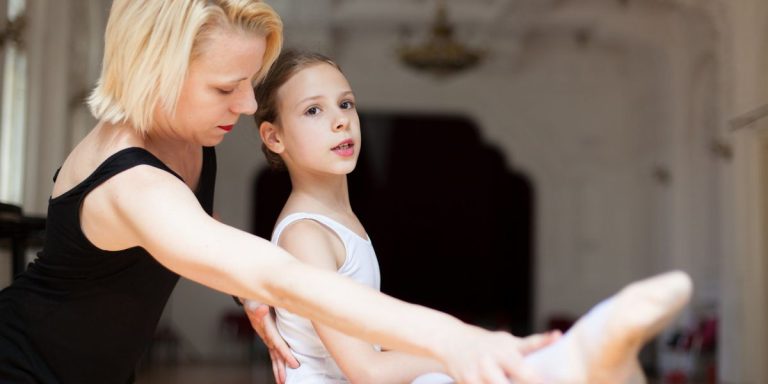
Effective repetition involves attention rather than mechanical copying. Each run-through offers feedback, prompting subtle adjustments that refine memory encoding. This mindful repetition strengthens recall while preventing rigidity.
As sequences become familiar, the brain shifts them from conscious recall to procedural memory. This transition frees cognitive resources, allowing focus to move toward expression, musicality, and presence without losing accuracy.
Attention Under Pressure
Performance conditions place high demands on focus. Bright lights, an audience, and heightened emotion challenge attentional stability. Dance training prepares the mind for these conditions by exposing it to stress in controlled environments.
Rehearsals often simulate performance pressure through repetition and correction. This exposure teaches the brain to maintain focus despite external and internal distractions. Attention becomes anchored in the task rather than overwhelmed by stimuli.
This skill carries into daily life. Situations that require concentration under pressure often feel more manageable after sustained dance training, reflecting how attentional resilience transfers beyond movement.
Working Memory and Choreographic Complexity
Working memory plays a critical role in learning and executing choreography. Holding counts, directions, and timing in mind while moving challenges the brain’s capacity to manage information. Dance training consistently pushes this capacity, encouraging growth.
Complex choreography increases this demand by layering elements such as rhythm changes, formations, and expressive intent. Managing these layers strengthens working memory through constant use and adaptation.
Over time, dancers become more efficient at organizing information. Sequences are chunked into meaningful units, reducing cognitive load and improving recall. This strategy reflects a refined working memory system shaped by experience.
Long-Term Memory and Retention Over Time
Dance training also strengthens long-term memory through repeated recall across extended periods. Choreography often returns after breaks, requiring retrieval rather than simple repetition. This retrieval practice reinforces memory durability.
Spacing rehearsals over time enhances retention. The brain benefits from revisiting material after intervals, strengthening connections through effortful recall. Dance naturally incorporates this spacing through rehearsal schedules and performance cycles.
These patterns support lasting memory formation. Movements learned years earlier can resurface quickly, reflecting how deeply dance embeds information within neural networks.
Focus and Sensory Integration
Dance sharpens focus by integrating multiple sensory inputs. Music, visual cues, and proprioceptive feedback must be processed simultaneously. Maintaining attention across these channels trains the brain to coordinate sensory information efficiently.
This integration prevents attentional overload by organizing input into coherent patterns. The brain learns to prioritize relevant cues and suppress distractions. Focus becomes structured rather than scattered.
Such sensory integration enhances situational awareness. Attention extends beyond isolated details to encompass the full context of movement, supporting both precision and expression.
Emotional Engagement and Memory Strength
Emotion significantly influences memory, and dance naturally engages emotional processing. Movement connected to feeling creates stronger memory traces by activating emotional and sensory networks together.
Choreography that carries emotional meaning tends to be remembered more vividly. Emotional engagement enhances attention during learning, improving both encoding and recall. This connection reinforces memory durability.
Dance training encourages emotional awareness without losing control. Managing emotion while staying focused strengthens the ability to engage deeply without distraction, a balance that benefits memory performance.
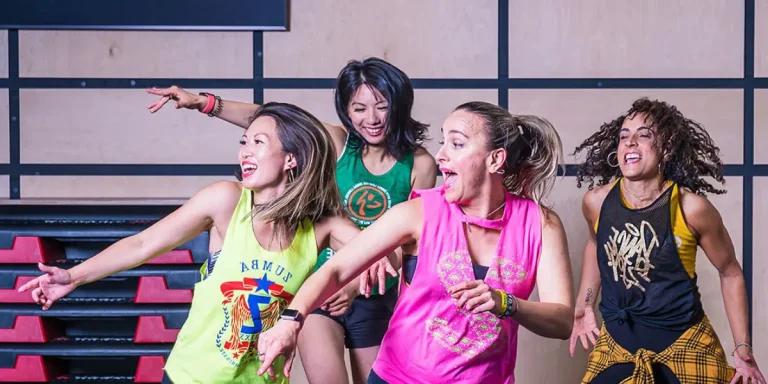
Group Dance and Shared Attention
Dancing with others introduces social elements that further shape focus and memory. Coordinating timing and spacing requires shared attention and anticipation. This collective awareness trains attentional systems to remain outwardly focused.
Remembering formations and cues linked to others strengthens associative memory. Movements become connected not only to personal action but to group dynamics. These associations enrich memory networks.
Group settings also increase accountability and engagement. Focus tends to sharpen when attention is shared, reinforcing learning through social interaction.
Mental Fatigue and Recovery
Sustained focus can lead to mental fatigue, and dance training teaches strategies for managing it. Alternating intensity, incorporating breaks, and shifting focus between details and flow support cognitive endurance.
Recognizing signs of mental fatigue becomes part of training. Adjusting attention rather than forcing concentration helps maintain performance quality. This awareness supports healthier focus habits.
Recovery is as important as effort. Allowing the brain time to consolidate memory through rest and reflection enhances long-term learning, highlighting the balance required for cognitive growth.
Improvisation and Attentional Freedom
Improvisation challenges memory and focus in different ways. Instead of recalling fixed sequences, attention shifts toward real-time decision-making. Memory supports this process by providing a movement vocabulary rather than exact instructions.
Focus during improvisation is fluid rather than fixed. Attention moves between internal sensation, external stimuli, and emerging ideas. This flexibility strengthens attentional adaptability.
Improvisation also reduces fear of forgetting by reframing memory as resource rather than script. This shift encourages confidence and presence, reinforcing trust in embodied knowledge.
Dance Training and Distraction Management
Modern environments are filled with distractions, and dance training offers tools for managing them. Sustained focus during class builds resistance to attentional fragmentation. The brain learns to return attention to the task repeatedly.
Corrections and feedback require rapid refocusing. This practice strengthens the ability to shift attention without losing momentum. Distraction becomes a temporary interruption rather than a derailment.
Over time, focus becomes more intentional. Attention is directed rather than reactive, supporting clarity in both movement and thought.
Memory Errors as Learning Tools
Forgetting is part of dance training, and memory errors provide valuable feedback. Missing a step highlights where encoding was incomplete or attention wavered. Addressing these gaps strengthens memory through targeted practice.
Rather than signaling failure, errors guide refinement. The brain updates its internal model, improving recall accuracy. This adaptive process deepens learning.
Dance encourages resilience in the face of memory lapses. Recovering mid-sequence trains composure and focus, reinforcing confidence in memory systems.
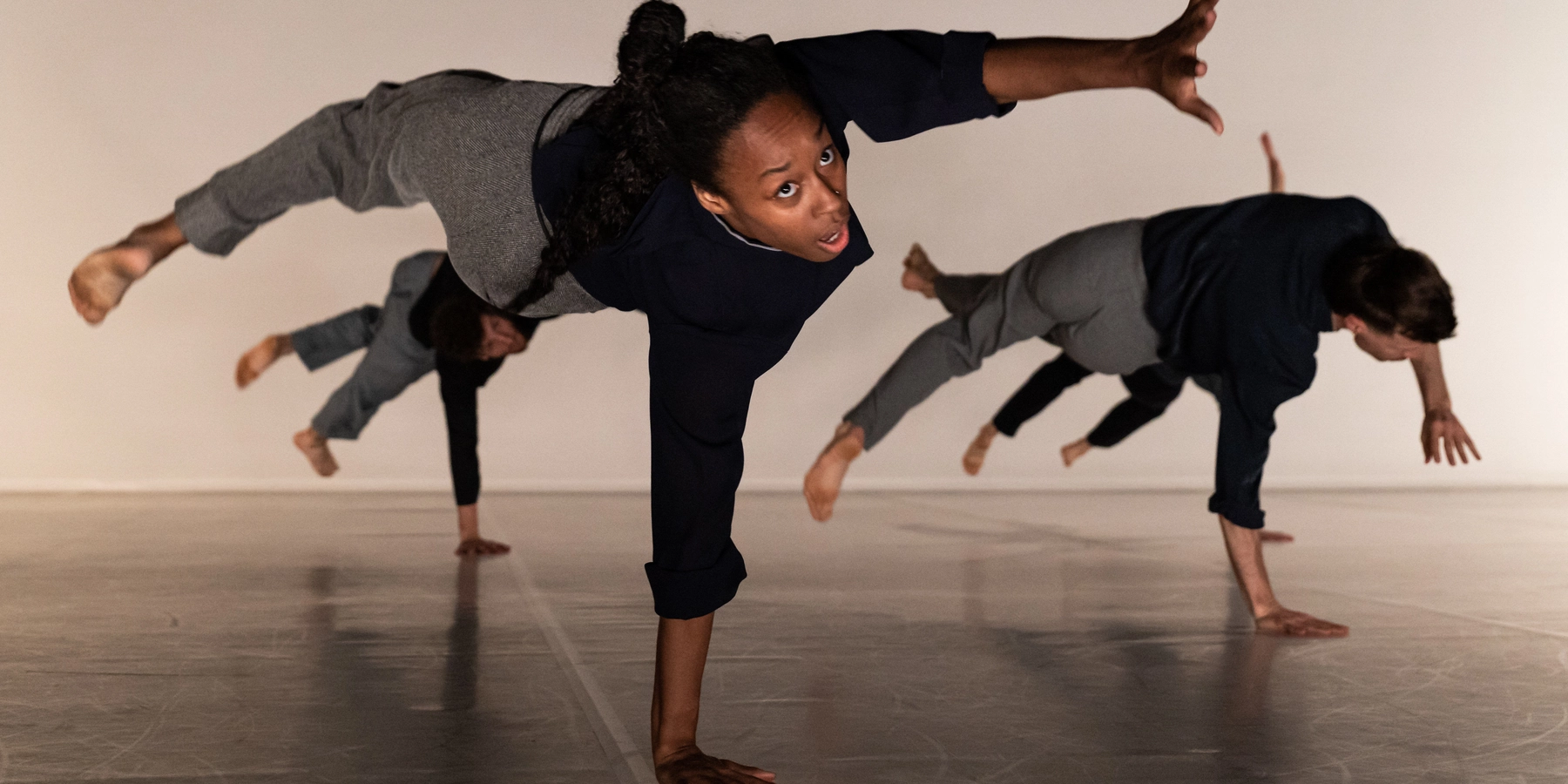
Focus Across Different Dance Styles
Different dance styles place varying demands on memory and focus. Structured forms emphasize precise recall and sustained attention, while freer styles encourage responsiveness and adaptability. Training across styles broadens cognitive flexibility.
Switching between styles challenges the brain to adjust attentional strategies. Memory must reorganize around different rhythms, patterns, and expressive norms. This diversity strengthens cognitive versatility.
Exposure to varied demands prevents rigidity. Focus and memory remain dynamic, capable of shifting with context rather than becoming fixed.
The Role of Consistency in Cognitive Change
Consistent training is key to lasting changes in memory and focus. Regular engagement reinforces neural pathways, supporting gradual improvement. Irregular practice limits consolidation and retention.
Consistency does not require intensity every session. Steady exposure maintains attentional habits and memory recall, even during lighter training periods. This continuity supports long-term growth.
Dance training becomes a cognitive routine as much as a physical one. The brain adapts to regular demands, integrating focus and memory into daily functioning.
Final Thoughts
Dance training shapes memory and focus through constant, embodied practice. Remembering movement, sustaining attention, and adapting to change become habitual skills refined over time. These cognitive benefits arise not from isolated exercises but from the integrated demands of dance itself.
Through repetition, emotional engagement, and social interaction, dance strengthens how the mind holds information and directs awareness. Memory becomes richer and more reliable, while focus grows resilient and flexible. This transformation explains why dance training continues to influence mental performance long after the music stops.