
Dance Careers Beyond Performing You Should Know About
A professional dance life does not end when performing stops being the central focus. Dance has shaped how I think, communicate, solve problems, and understand the body, and those skills translate into far more career paths than most people realize. Stepping away from the stage does not mean stepping away from dance itself. In many cases, it opens doors that offer stability, creative fulfillment, and long-term growth.
The dance world relies on a wide ecosystem of professionals whose work often goes unnoticed by audiences. These roles keep studios running, productions organized, dancers healthy, and stories alive beyond the spotlight. Exploring these paths expanded my understanding of what a sustainable dance career can look like. Each option offers a different way to stay connected to movement while building a future that aligns with changing goals and circumstances.
Dance Education and Instruction
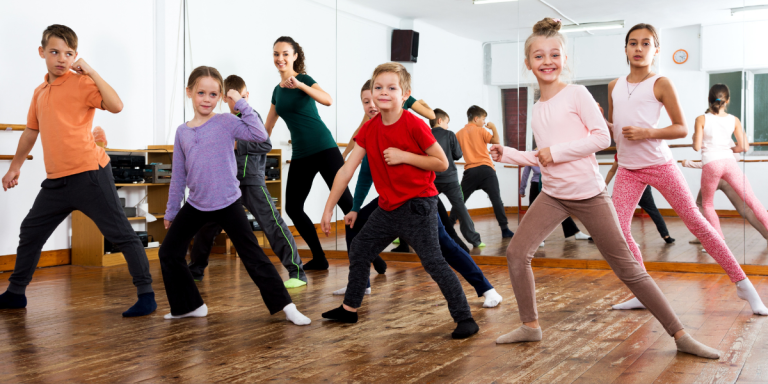
Teaching dance allows experience to be passed forward while continuing to grow personally. Sharing knowledge deepens my own technical awareness and sharpens communication skills. Instruction requires patience, adaptability, and the ability to meet dancers at different stages of development. The classroom becomes a space where artistry and structure intersect.
Dance educators work in studios, schools, universities, and community programs. Some focus on recreational training, while others prepare dancers for professional careers. Teaching also creates opportunities for curriculum design and mentorship. This path rewards those who value impact over applause.
Choreography and Creative Direction
Choreography offers a way to shape movement without performing it personally. Crafting phrases, structures, and narratives requires a strong artistic voice and an understanding of bodies beyond one’s own. Creative direction extends that responsibility by guiding the overall vision of a project. Both roles demand clarity, leadership, and trust-building.
Choreographers collaborate with dancers, directors, and designers to bring ideas to life. The work often includes problem-solving under pressure and adjusting concepts quickly. This career path suits dancers who enjoy creating frameworks rather than executing them. It allows artistry to evolve through others.
Rehearsal Direction and Dance Captain Roles
Rehearsal directors and dance captains maintain consistency within productions. This work bridges the gap between choreography and performance quality. Attention to detail and strong interpersonal skills are essential. These roles require authority balanced with empathy.
Rehearsal leadership ensures that movement stays accurate as casts change or tours progress. Communication must remain clear and calm, even in high-pressure environments. This path suits dancers who enjoy structure and responsibility. It keeps them close to performance without carrying the physical demands of the stage.
Dance Therapy and Movement Facilitation
Dance therapy uses movement as a tool for emotional and psychological support. This field blends creativity with clinical training and ethical responsibility. Working in healthcare or community settings requires compassion and strong boundaries. The focus shifts from performance to healing.
Movement facilitators also work outside clinical frameworks, supporting wellness and self-expression. These roles emphasize connection rather than technique. Training and certification are necessary, but the impact can be profound. This career path suits those drawn to human-centered work.
Arts Administration and Management
Behind every performance is a team managing logistics, funding, and communication. Arts administrators keep organizations running smoothly. Budgeting, scheduling, grant writing, and outreach all fall under this umbrella. Strong organizational skills are essential.
Dance experience adds valuable insight into administrative decision-making. Understanding artist needs improves leadership effectiveness. This path offers stability and influence within the arts sector. It allows dancers to shape systems rather than solely operate within them.
Dance Production and Stage Management
Production roles focus on turning creative ideas into functional reality. Stage managers coordinate rehearsals, cues, and transitions. Precision and calm problem-solving define this work. These roles demand constant awareness of timing and space.
Dance backgrounds enhance communication with performers and creative teams. Anticipating needs becomes second nature. Production careers keep individuals embedded in performance environments. They suit those who thrive behind the scenes.
Dance Writing and Criticism
Writing about dance preserves its stories and contexts. Critics, journalists, and historians translate movement into language. This work requires observation, clarity, and respect for the art form. Dance writing contributes to cultural memory.
Content creation now extends beyond traditional publications. Blogs, documentaries, and digital platforms offer new outlets. Dance knowledge strengthens analysis and storytelling. This path suits those who enjoy reflection and communication.
Somatic Practices and Bodywork
Somatic professionals support dancers through body awareness and injury prevention. Pilates instructors, yoga teachers, and movement coaches often come from dance backgrounds. These practices emphasize alignment and efficiency. The work supports longevity for performers.
Training and certification are necessary to work responsibly. Dance experience enhances credibility and understanding. This path allows for flexible schedules and private practice options. It suits those interested in wellness and education.
Costume and Wardrobe Design
Costume professionals shape how movement reads visually. Knowledge of fabric, construction, and function is essential. Dance experience helps designers anticipate mobility needs. Wardrobe roles also involve maintenance and quick problem-solving.
These careers blend creativity with technical skill. Collaboration with designers and performers is constant. This path suits those drawn to visual storytelling. It keeps creativity alive without performing.
Dance Photography and Videography
Visual documentation captures dance moments that performances cannot preserve. Photographers and videographers translate movement into still and moving images. Timing and musicality matter greatly. Dance knowledge sharpens anticipation.
This field requires technical training and creative sensitivity. Dance backgrounds help build trust with performers. Visual media expands dance accessibility. It offers freelance flexibility and creative autonomy.
Casting and Talent Direction
Casting professionals connect dancers with opportunities. Evaluating movement, presence, and adaptability requires deep knowledge. Communication and decision-making are central to this role. Casting shapes the industry landscape.
Dance experience informs fair and effective choices. This path influences representation and diversity. It suits those interested in big-picture impact. Casting keeps professionals close to emerging talent.
Dance Research and Academia
Research careers examine dance history, theory, and cultural impact. Academic work contributes to preservation and critical analysis. Writing, teaching, and publishing define this path. Curiosity and rigor are essential.
Universities and cultural institutions offer opportunities. Dance backgrounds strengthen credibility. This career suits those drawn to inquiry and documentation. It ensures dance knowledge continues evolving.
Social Media and Dance Marketing
Digital platforms have reshaped how dance reaches audiences. Marketing professionals manage branding, content, and engagement. Dance literacy improves authenticity and messaging. Strategy and creativity intersect here.
This path supports companies, studios, and independent artists. Understanding trends and analytics matters. Dance experience builds trust with clients. It offers modern relevance and scalability.
Event Programming and Festival Curation
Curators select and organize dance experiences for audiences. Programming requires artistic vision and logistical coordination. Cultural awareness guides responsible choices. These roles influence exposure and opportunity.
Dance backgrounds inform thoughtful curation. Collaboration with artists and sponsors is constant. This path shapes cultural dialogue. It suits those interested in leadership and community impact.
Final Thoughts
Dance careers extend far beyond the stage, offering diverse ways to remain connected to the art form. Each path values different strengths, from creativity and organization to empathy and analysis. Stepping into these roles does not diminish a dancer’s identity. Instead, it allows that identity to evolve.
A sustainable dance life adapts over time. Performance may fade, but contribution does not have to. Exploring alternative dance careers opens doors to longevity and fulfillment. Dance continues to shape the world through those willing to engage with it in new ways.