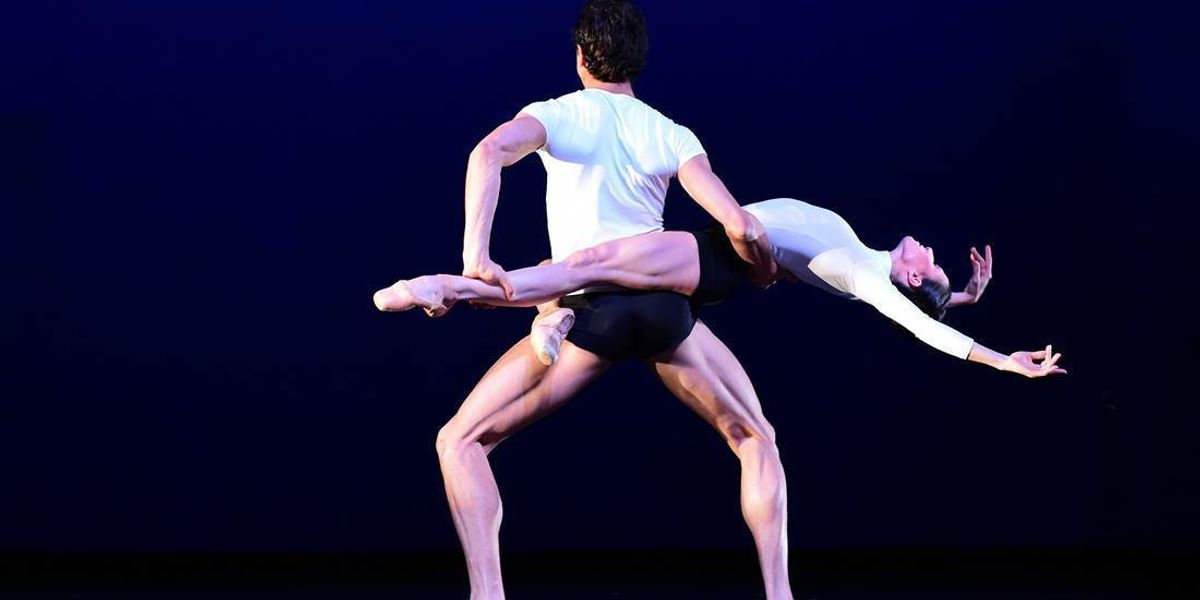
Dance as a Tool for Mental Health: What Studies Reveal
Dance has a quiet way of changing the inner landscape. Stepping into movement shifts attention from mental noise to physical presence, and that shift alone can feel like relief. Beyond the personal experience, a growing body of research now explores how dance supports mental health across different populations. These studies reveal patterns that align closely with what many dancers feel but rarely articulate.
Mental health benefits linked to dance do not come from movement alone. They emerge from a combination of rhythm, expression, social connection, cognitive challenge, and embodied awareness. Research increasingly frames dance as a multifaceted intervention rather than a simple activity. Looking closely at what studies reveal helps clarify why dance holds such potential as a tool for psychological well-being.
Mental Health Through Embodied Engagement
Mental health is often discussed in cognitive or emotional terms, yet the body plays a central role in regulating mood and stress. Dance engages the body in ways that directly influence the nervous system. Movement patterns, breath, and rhythm interact to support balance between arousal and calm.
Studies consistently show that embodied activities help regulate stress responses. Dance activates physical systems associated with relaxation while also providing stimulation. This balance supports emotional stability rather than emotional suppression.
From a research perspective, embodiment matters because it integrates mental processes with physical sensation. Dance creates a feedback loop where the body informs the mind and the mind guides the body, promoting psychological coherence.
Stress Reduction and Nervous System Regulation
One of the most well-documented mental health benefits of dance is stress reduction. Research indicates that rhythmic movement lowers cortisol levels and supports parasympathetic nervous system activation. This shift helps the body exit prolonged states of stress.
Dance differs from many stress-management techniques because it does not rely on stillness. Instead, it uses dynamic movement to discharge tension. Studies show that participants often report reduced perceived stress after regular dance sessions.
The nervous system responds to predictability and rhythm. Repeated patterns in music and movement provide cues of safety, allowing stress responses to settle. This regulation supports both short-term relief and long-term resilience.
Mood Enhancement and Emotional Balance
Research consistently links dance participation to improved mood. Studies measuring symptoms of low mood often find reductions after structured dance programs. These improvements appear across age groups and styles of dance.
Mood enhancement is influenced by both biochemical and psychological factors. Physical movement supports the release of neurotransmitters associated with positive affect, while expressive movement allows emotional processing. Dance offers a combination of activation and release.
What stands out in the research is the sustainability of these effects. Regular engagement tends to support more stable emotional balance rather than fleeting mood shifts.
Anxiety Reduction Through Movement and Focus
Anxiety is characterized by heightened arousal and persistent mental anticipation. Dance addresses both through physical grounding and focused attention. Studies examining anxiety symptoms often report decreases following dance-based interventions.
Movement redirects attention away from internal worry toward sensory experience. This redirection interrupts cycles of anxious rumination without requiring direct cognitive intervention. Research suggests that embodied focus can be especially effective for anxiety management.
Dance also builds tolerance for physiological arousal. Learning to move with elevated heart rate and intensity helps the mind reinterpret bodily sensations as manageable rather than threatening.
Depression and Expressive Movement
Research exploring dance and depressive symptoms highlights the role of expression. Dance allows emotion to be externalized through movement rather than held internally. This externalization supports emotional processing.
Studies involving expressive dance forms often report improved emotional engagement and motivation. Participants describe increased energy and interest in activity, which are key factors in mental health recovery.
The combination of physical activation and emotional expression appears particularly valuable. Dance engages both body and emotion, addressing multiple dimensions of mental health simultaneously.
Social Connection and Psychological Support
Social isolation is a significant factor in mental health challenges. Dance frequently involves shared space, timing, and intention, creating opportunities for connection. Research emphasizes the psychological benefits of this social engagement.
Group dance settings promote a sense of belonging without requiring verbal interaction. Studies suggest that synchronized movement enhances feelings of connection and trust. This shared experience supports emotional well-being.
Social support gained through dance can be subtle yet powerful. Participants often report feeling seen and included, which contributes to improved mental health outcomes.
Self-Efficacy and Confidence Development
Self-efficacy refers to belief in one’s ability to manage challenges. Dance training consistently challenges participants while offering achievable progress. Research links this pattern to increased self-efficacy.
Learning movement sequences and mastering coordination provide tangible evidence of capability. Studies show that these experiences translate into greater confidence beyond dance contexts.
Confidence built through dance tends to be resilient because it is grounded in experience rather than comparison. This stability supports mental health by reducing vulnerability to external judgment.
Trauma-Informed Perspectives in Dance Research
Trauma research increasingly recognizes the role of the body in recovery. Dance aligns with trauma-informed approaches by emphasizing choice, presence, and bodily awareness. Studies highlight movement as a pathway for processing experiences stored somatically.
Dance offers nonverbal expression, which can be essential when verbal processing feels inaccessible. Research suggests that controlled movement supports nervous system regulation and emotional integration.
Importantly, trauma-informed dance prioritizes safety and consent. Studies emphasize that benefits arise when participants feel in control of their movement and pace.
Cognitive Engagement and Mental Stimulation
Mental health is closely tied to cognitive engagement. Dance challenges memory, attention, and coordination, supporting cognitive vitality. Research links cognitive stimulation to improved emotional regulation and reduced mental fatigue.
Learning choreography activates working memory and problem-solving skills. Studies show that engaging the mind through movement supports psychological flexibility.
This cognitive engagement contributes to a sense of purpose and involvement. Mental health benefits extend beyond mood to include clarity and mental energy.
Body Image and Self-Perception
Dance research also explores its impact on body image. Moving with intention shifts focus from appearance to function. Studies report improvements in body appreciation among dance participants.
This shift supports healthier self-perception. Rather than evaluating the body as an object, dance frames it as a tool for expression and capability. Psychological well-being benefits from this reframing.
Positive body awareness supports self-acceptance, which is closely linked to mental health. Dance encourages connection rather than critique.
Routine, Structure, and Emotional Stability
Routine plays an important role in mental health. Dance classes and practice schedules provide regular structure. Research suggests that predictable routines support emotional stability.
This structure does not limit creativity. Instead, it creates a reliable framework that reduces decision fatigue. The mind responds positively to this balance between predictability and challenge.
Consistency in practice reinforces coping strategies. Mental health benefits accumulate through repeated engagement rather than isolated sessions.
Emotional Literacy Through Movement
Dance enhances emotional literacy by linking feelings to physical sensation. Studies suggest that participants develop greater awareness of emotional states through movement exploration.
Recognizing subtle emotional shifts supports regulation. Dance provides a safe environment to explore intensity, restraint, and release. This exploration refines emotional awareness.
Improved emotional literacy contributes to healthier relationships and self-care. Mental health benefits extend into interpersonal contexts.
Adaptability and Psychological Flexibility
Psychological flexibility is the ability to adapt to change without becoming overwhelmed. Dance training fosters this quality by requiring continuous adjustment. Research links flexibility to improved mental health outcomes.
Responding to music, partners, or spatial changes trains adaptability. Studies indicate that this responsiveness supports resilience under stress.
Flexibility developed through dance helps the mind navigate uncertainty. This capacity is especially valuable in managing life transitions.
Dance Compared to Other Interventions
Research often compares dance with other mental health interventions. While traditional exercise supports mental health through physiological pathways, dance adds emotional and social dimensions.
Studies frequently note higher engagement and adherence in dance programs. Enjoyment and expression increase motivation, which supports long-term benefits.
Dance complements rather than replaces other interventions. Research positions it as a valuable addition to mental health support strategies.
Accessibility and Inclusivity in Research
Recent studies emphasize the accessibility of dance. Mental health benefits appear across ages, abilities, and cultural contexts. Dance does not require specialized equipment or performance goals.
Inclusive approaches highlight adaptability. Research shows that benefits arise when movement is tailored to individual capacity. This flexibility supports broader participation.
Accessibility strengthens the potential impact of dance as a mental health tool. Research continues to explore how to expand inclusive practices.
Limitations and Ongoing Exploration
While research supports many mental health benefits of dance, limitations exist. Study designs vary, and long-term effects require further exploration. Researchers continue refining methods and measures.
Individual experiences differ based on context and approach. Studies emphasize that supportive environments are crucial for positive outcomes.
Ongoing research aims to clarify mechanisms and best practices. Despite limitations, evidence consistently points toward meaningful mental health benefits.
Final Thoughts
Studies reveal dance as a powerful tool for mental health through its integration of movement, emotion, cognition, and connection. Stress regulation, mood enhancement, confidence, and resilience emerge through consistent engagement. These benefits reflect the body’s central role in psychological well-being.
Dance supports mental health not by offering quick fixes but by cultivating balance over time. Research confirms what movement often teaches quietly: caring for the mind includes listening to the body. Through rhythm, expression, and presence, dance continues to reveal its value as a deeply human pathway to mental health.