What Makes a Dance Performance Truly Memorable
A memorable dance performance does not rely on perfection or difficulty alone. It stays with the audience because something about it lands emotionally, visually, or energetically in a way that feels honest. I have watched technically flawless performances fade from memory and imperfect ones remain vivid for years. That contrast taught me that memorability lives beyond steps.
Dance becomes unforgettable when it creates a clear experience for the audience. That experience might be joy, tension, vulnerability, awe, or even discomfort. What matters is that the performance invites the viewer into a moment that feels complete and intentional. The body becomes a storyteller, not just a moving object.
Memorable performances also feel specific. They do not try to be everything at once. They commit to a point of view and trust that commitment enough to let it breathe on stage.
Clarity of Intention From the First Moment
The opening moment of a performance sets the tone for everything that follows. An audience can sense uncertainty immediately, even before movement begins. A clear intention creates trust and focus.
Intention does not require explanation. It lives in posture, energy, and presence. When a dancer knows why they are on stage and what they are there to express, that knowledge shapes every choice.
Without intention, movement becomes decorative. With intention, even simple gestures carry weight. The audience remembers performances that feel purposeful from the first second.
Emotional Honesty Over Technical Display
Technique supports performance, but emotion gives it meaning. A performance becomes memorable when emotion is communicated honestly rather than performed for effect. Audiences respond to sincerity more than spectacle.
Emotional honesty does not mean exaggeration. Subtlety often carries greater impact. A restrained moment that feels real can resonate more deeply than a dramatic one that feels forced.
Allowing emotion to exist without polishing it for approval creates connection. That vulnerability invites the audience to feel alongside the dancer rather than observe from a distance.
Presence That Fills the Space
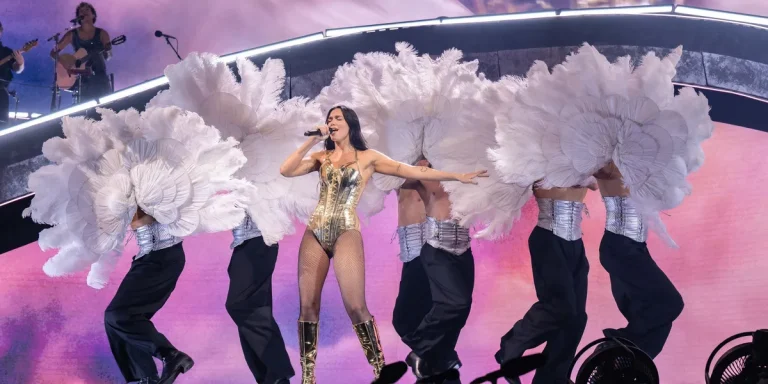
Presence is not about size or volume. It is about awareness and commitment. A dancer with strong presence commands attention without demanding it.
Presence fills space through focus and grounding. The body feels anchored, and energy extends beyond the skin. The audience senses that the dancer is fully there, not performing on autopilot.
Performances become memorable when presence remains consistent. Even transitions and stillness feel alive. Nothing drops or fades without intention.
A Relationship With the Music
Music is not a backdrop. It is a partner in performance. Memorable dancers listen deeply and allow sound to shape how movement unfolds.
This relationship shows up in timing, texture, and phrasing. Movement responds to accents, silence, and shifts rather than riding on top of them. The audience can see the music through the body.
When dance and music feel inseparable, the performance feels inevitable. That unity lingers long after the final note.
Commitment to the Moment
Commitment separates convincing performances from tentative ones. Half-choices read clearly on stage. Full commitment, even to risky or unusual choices, creates impact.
A memorable performance does not hedge its bets. It trusts its direction and follows through. That confidence allows the audience to relax into the experience.
Commitment also includes recovery. When something goes wrong, staying committed keeps the performance intact. Audiences often remember how dancers continue, not what went wrong.
The Power of Specificity
Specific choices make performances memorable. Vague energy disappears quickly. Specific timing, focus, and intention create clarity.
Specificity shows up in how a hand moves, where the eyes land, and how weight shifts. These details accumulate into a performance that feels crafted rather than generic.
Audiences may not consciously identify these choices, but they feel the difference. Specificity gives the performance texture and personality.
Stillness That Speaks
Movement alone does not create memorability. Stillness can be just as powerful when used intentionally. A moment of stillness allows the audience to absorb what has happened.
Stillness becomes memorable when it is active rather than empty. Energy remains present even without motion. The body holds attention through focus and breath.
Performances that use stillness well create contrast. That contrast sharpens the impact of movement and makes key moments stand out.
A Clear Sense of Journey
Memorable performances feel like journeys rather than collections of steps. They move from one state to another with intention. The audience senses progression.
This journey does not need to be linear or narrative. It can be emotional, dynamic, or energetic. What matters is that something shifts.
A performance that ends differently from how it begins leaves an impression. The audience remembers change because it mirrors human experience.
Authenticity Over Imitation
Imitation can be impressive, but authenticity is memorable. Performances that reflect the dancer’s true voice stand out because they feel grounded.
Authenticity does not mean ignoring style or technique. It means allowing personal interpretation within those frameworks. Small personal nuances make performances distinct.
Audiences remember dancers who feel real. Authenticity creates trust, and trust deepens impact.
Use of Space With Intention
Space is an active element of performance. Memorable dancers use it deliberately rather than filling it aimlessly. Each pathway and level change feels chosen.
Awareness of space creates visual interest. It guides the audience’s eye and shapes how movement is perceived. Space becomes part of the choreography.
Performances that engage the full stage feel expansive and confident. That spatial clarity contributes to memorability.
Energy That Matches the Message
Energy carries meaning. A mismatch between energy and intention creates confusion. Memorable performances align energy with message.
High energy does not always equal strong performance. Sometimes restraint communicates more powerfully. The right energy for the moment matters more than intensity alone.
Consistency in energy builds trust. Sudden shifts feel intentional rather than accidental. The audience follows because the logic is clear.
Connection With the Audience
A memorable performance acknowledges the audience without performing for approval. Connection happens through focus, projection, and openness.
Eye line plays a role, but connection goes deeper than looking outward. It involves offering the performance rather than guarding it. The audience feels invited rather than excluded.
This connection turns watching into witnessing. The performance becomes a shared experience instead of a display.
Risk and Vulnerability
Safe performances rarely linger in memory. Risk creates tension and interest. Vulnerability creates emotional stakes.
Risk does not always mean extreme movement. It can mean emotional exposure, stillness, or unconventional choices. The willingness to be seen fully adds depth.
Audiences respond to courage. Vulnerability signals honesty, and honesty resonates.
Consistency From Start to Finish
A memorable performance sustains quality throughout. Energy does not drop between highlights. Transitions matter as much as climactic moments.
Consistency shows discipline and respect for the audience. It keeps the performance cohesive and satisfying.
Even quiet sections feel intentional. Nothing feels like filler. That integrity strengthens memorability.
Timing and Pacing That Serve the Piece
Pacing shapes how a performance is experienced. Rushed performances overwhelm, while slow ones can lose momentum. Memorable performances balance these elements carefully.
Timing choices create emphasis. Pauses allow moments to land. Acceleration builds excitement.
Good pacing respects the audience’s attention. It guides them through the experience without exhausting or losing them.
A Strong Sense of Ending
Endings matter. A performance that fades without intention leaves the audience unsettled. A clear ending provides closure.
The final moment does not need to be dramatic. It needs to feel complete. The audience should sense that the journey has reached its conclusion.
Memorable endings echo the performance’s core idea. They linger in the mind and body.
Confidence Without Arrogance
Confidence makes performances memorable because it allows freedom. The dancer trusts their choices and stays present. The audience feels that stability.
This confidence does not come from ego. It comes from preparation and self-trust. Arrogance distances, while grounded confidence invites.
When confidence is rooted in honesty, the performance feels generous rather than self-centered.
The Role of Imperfection
Perfection is not required for memorability. Imperfection can add humanity and texture. Small flaws often make performances feel real.
Audiences remember how a performance made them feel, not how clean it was. Emotional impact outweighs technical precision.
Allowing imperfection without collapse shows resilience. That resilience becomes part of the performance’s story.
A Distinct Point of View
Memorable performances have a point of view. They are not neutral or vague. They express something specific through movement.
This point of view shapes choices in timing, energy, and expression. It gives the performance coherence.
Audiences remember clarity. A strong perspective leaves an imprint because it feels intentional.
Final Thoughts
What makes a dance performance truly memorable is not a single element but the alignment of many. Intention, presence, honesty, and connection work together to create impact. Technique supports these qualities, but it does not replace them.
A memorable performance feels lived rather than displayed. It invites the audience into a shared moment that feels complete and sincere. That invitation stays with people long after the stage lights fade.
Dance becomes unforgettable when it communicates something real. When movement carries meaning and commitment, memory follows naturally.