What Sports Science Can Teach Dancers About Recovery
Recovery shapes how long a dancer can train, perform, and grow without breaking down. Pushing through fatigue has long been normalized in dance culture, yet the body keeps its own record of stress regardless of discipline or tradition. Sports science offers a framework that explains why rest, restoration, and intelligent recovery strategies matter just as much as rehearsal hours. Applying these ideas has changed how I view progress, resilience, and longevity in dance.
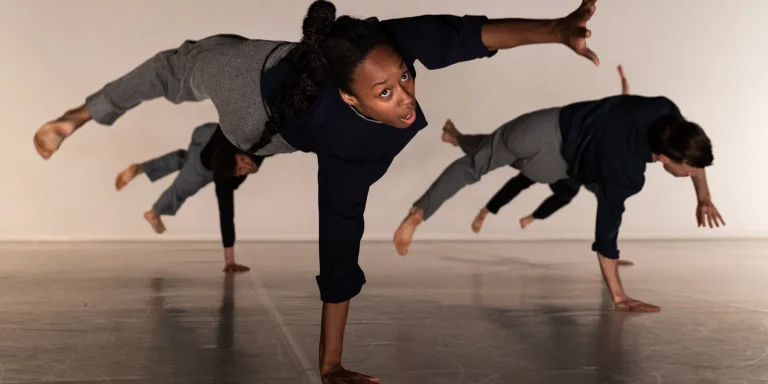
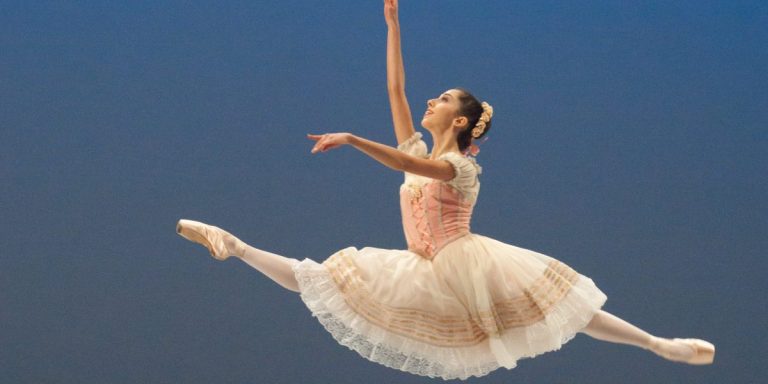
Dance and sport are often treated as separate worlds, but the physical demands overlap more than many dancers realize. Repeated high-impact landings, explosive power, sustained muscular control, and intense rehearsal schedules mirror the workload of elite athletes. Sports science does not reduce artistry; it protects the body that makes artistry possible. Recovery is not about doing less, but about supporting the body so it can consistently perform at its best.
Recovery as a Performance Skill
Recovery is not passive downtime; it is an active part of performance preparation. Sports science frames recovery as a skill that can be trained, refined, and improved. Rest becomes strategic rather than accidental, guided by how the body adapts to stress over time.
In dance, effort is visible while recovery often remains invisible. Sports science reminds me that adaptation happens during rest, not during exertion. Muscles rebuild, connective tissue strengthens, and the nervous system recalibrates when recovery is prioritized. Ignoring this process limits progress no matter how disciplined training may be.
Viewing recovery as part of performance shifts mindset. Instead of feeling guilty for resting, I see it as investing in future rehearsals and shows. This perspective removes the fear that rest equals weakness and replaces it with confidence in sustainable training.
Fatigue and the Nervous System
Sports science places significant emphasis on the nervous system, an area dancers often overlook. Fatigue is not only muscular; it is neurological. Long rehearsals, mental focus, emotional performance, and constant corrections place heavy demands on the nervous system.
When the nervous system is overstimulated, coordination suffers before strength does. Balance feels unreliable, timing slips, and movement quality dulls. Sports science explains that recovery must address mental and neural fatigue alongside physical fatigue.
Practices such as quality sleep, breath regulation, and mental decompression support nervous system recovery. Incorporating these elements into a dance routine improves clarity and consistency, especially during intense performance periods.
Sleep as a Recovery Foundation
Sleep is the most powerful recovery tool identified by sports science. It influences hormone regulation, tissue repair, reaction time, and emotional regulation. Despite its importance, sleep is often sacrificed during late rehearsals, travel, or performance runs.
Sports science research highlights how insufficient sleep increases injury risk and slows recovery. For dancers, this translates into reduced jump height, slower reflexes, and compromised coordination. Prioritizing sleep supports not just physical healing, but artistic focus as well.
Protecting sleep means setting boundaries around rehearsal schedules, screen time, and pre-bed routines. Treating sleep as non-negotiable changes how the body responds to training stress over time.
Managing Training Load
Athletes track training load to balance stress and recovery. Dancers rarely quantify workload, even though rehearsals vary widely in intensity. Sports science introduces the idea that not all training days should feel the same.
High-intensity rehearsals demand longer recovery periods, while lighter days allow for technical refinement without overloading the system. Alternating intensity helps prevent cumulative fatigue that leads to injury.
Applying this concept encourages smarter scheduling. Instead of pushing full-out every day, I pay attention to how intensity fluctuates across the week. This creates space for growth without constant exhaustion.
Muscle Repair and Tissue Health
Muscle soreness is often worn as a badge of honor in dance, but sports science reframes soreness as information. Delayed onset muscle soreness indicates tissue stress that requires recovery support. Ignoring it increases the risk of strain and overuse injuries.
Recovery strategies such as active movement, hydration, and proper nutrition support tissue repair. Light mobility work promotes blood flow, which delivers nutrients to fatigued muscles without adding stress.
Sports science emphasizes that pain is not a prerequisite for progress. Maintaining tissue health allows dancers to train consistently rather than cycling between overtraining and forced rest.
The Role of Nutrition in Recovery
Recovery does not end when rehearsal stops; it continues through nutrition. Sports science highlights how fuel timing and composition affect repair and energy availability. Dancers often underfuel, unintentionally slowing recovery.
Protein supports muscle repair, carbohydrates restore energy stores, and healthy fats aid inflammation control. Adequate hydration maintains joint health and circulation. These principles apply regardless of body type or dance style.
Viewing food as recovery support rather than restriction changes the relationship with training. The body recovers more efficiently when it receives consistent, balanced nourishment.
Active Recovery and Movement Quality
Rest does not always mean stillness. Sports science promotes active recovery, which involves low-intensity movement that supports circulation and mobility. For dancers, this can include gentle floor work, walking, or somatic practices.
Active recovery maintains joint range and reduces stiffness without taxing the system. It also helps the mind stay connected to the body in a non-pressured way. This is especially valuable during performance runs where complete rest may not be practical.
Choosing movement that restores rather than challenges allows recovery to feel integrated rather than disruptive. The body remains responsive while still receiving the care it needs.
Inflammation and Load Management
Inflammation is part of adaptation, but chronic inflammation signals imbalance. Sports science explains that persistent inflammation often results from inadequate recovery relative to workload. For dancers, this may show up as lingering soreness, joint irritation, or recurring injuries.
Managing inflammation involves balancing rehearsal intensity, sleep, nutrition, and stress. Ice baths, compression, and gentle mobility can support acute recovery, but long-term balance matters more.
Listening to early warning signs prevents small issues from becoming career-threatening problems. Recovery becomes preventative rather than reactive.
Psychological Recovery and Mental Load
Dance places unique psychological demands on performers. Memorization, self-critique, auditions, and performance pressure accumulate mental fatigue. Sports science recognizes psychological recovery as essential to physical recovery.
Mental rest includes time away from constant evaluation and comparison. Engaging in non-dance activities, creative exploration, or simple leisure supports emotional balance. This prevents burnout that no amount of physical rest alone can fix.
Supporting mental recovery enhances motivation and joy in movement. A rested mind contributes to confident, expressive performance.
Injury Prevention Through Recovery
Sports science consistently links inadequate recovery to injury risk. Fatigued tissues absorb less force, increasing strain during jumps, landings, and rapid directional changes. For dancers, this translates into preventable injuries that interrupt training cycles.
Recovery allows tissues to adapt gradually, increasing resilience. Strength gains, flexibility improvements, and technical refinements hold when the body has time to integrate them.
Preventing injury preserves momentum. Recovery becomes an investment in consistency rather than an interruption to progress.
Periodization and Long-Term Planning
Athletes use periodization to structure training across seasons. Dance often lacks this framework, especially in environments with constant performance demands. Sports science introduces the idea of planning recovery alongside peak performance periods.
Scheduling lighter phases after intense projects allows the body to reset. This does not mean stopping training, but shifting focus toward restoration and technique refinement.
Long-term planning supports career longevity. Recovery cycles ensure that dancers peak at the right times without accumulating irreversible damage.
Applying Sports Science Without Losing Artistry
One fear dancers express is that adopting sports science principles will make dance feel mechanical. In practice, the opposite happens. A recovered body moves more freely, responds more intuitively, and sustains expressive range.
Sports science provides structure, not restriction. It supports the physical vessel that carries artistic intention. Recovery enhances availability rather than limiting expression.
Integrating these principles allows artistry to thrive without sacrificing health. The body becomes a reliable partner rather than a fragile resource.
Building a Recovery Mindset in Dance Culture
Dance culture often glorifies endurance over care. Sports science challenges this narrative by showing that sustainable performance depends on recovery literacy. Changing mindset starts with acknowledging that rest is part of professionalism.
Sharing recovery practices openly reduces stigma. When dancers normalize sleep, nutrition, and rest, the environment becomes safer and more supportive.
A culture that values recovery produces stronger, more resilient performers. This shift benefits individuals and the art form as a whole.
Listening to the Body as Data
Sports science treats the body as a source of information rather than an obstacle. Fatigue, soreness, and mood changes are signals that guide recovery decisions. Dancers benefit from adopting this analytical yet compassionate perspective.
Tracking energy levels, sleep quality, and rehearsal intensity builds awareness. Patterns emerge that inform adjustments before problems escalate.
Listening does not mean avoiding challenge. It means responding intelligently so progress continues without unnecessary breakdown.
Final Thoughts
Sports science offers dancers a language for recovery that validates rest as essential, not optional. By applying these principles, recovery becomes intentional rather than reactive, supporting both performance quality and career longevity. The body thrives when stress and restoration exist in balance.
What sports science can teach dancers about recovery extends beyond techniques and protocols. It teaches respect for the body’s capacity to adapt when given proper care. Embracing recovery strengthens not only physical resilience but also artistic freedom, allowing dance to remain sustainable, expressive, and deeply rewarding over time.