The Role of Muscle Memory in Dance Mastery
Dance mastery is often described as a combination of technique, artistry, and consistency, but underneath all of that lies muscle memory. It is the invisible system that allows movement to happen without conscious effort. I have experienced moments where my body knew exactly what to do before my mind could catch up, and those moments always came from deeply ingrained patterns. Muscle memory is not magic, but it can feel that way when it is developed correctly.
What makes muscle memory so powerful is that it frees mental space. Instead of thinking about every detail, the body executes familiar actions with precision. This freedom allows expression, musicality, and presence to take center stage. Without muscle memory, dance would remain mechanical and exhausting rather than fluid and expressive.
What Muscle Memory Really Means in Dance
Muscle memory is not stored in the muscles themselves, but in the nervous system. Repetition creates neural pathways that make movement more efficient and automatic. Over time, the body recognizes patterns and responds faster with less conscious control.
In dance, this means steps, transitions, and coordination become reliable. The body learns timing, direction, and force through repeated experience. That reliability is what allows dancers to perform consistently under pressure.
Muscle memory is built gradually. It requires mindful repetition rather than mindless drilling. The quality of repetition matters more than the quantity.
Why Muscle Memory Is Essential for Mastery
Mastery in dance requires consistency across different environments. Stage lights, nerves, and unfamiliar spaces all challenge focus. Muscle memory provides stability when external conditions change.
I have noticed that the movements I trust most are the ones that show up even when I am tired or distracted. Those movements live deeper in the body because they have been practiced with clarity. Muscle memory acts as a safety net, catching details when conscious focus slips.
Without strong muscle memory, technique becomes fragile. Mastery depends on patterns that hold up under stress, not just in ideal conditions.
The Difference Between Good and Bad Muscle Memory
Not all muscle memory is helpful. The body remembers habits whether they are efficient or not. Poor alignment, unnecessary tension, and rushed timing can become ingrained just as easily as clean technique.
I have had to unlearn patterns that felt comfortable but limited my progress. Correcting bad muscle memory took more time than learning something new because the old pattern felt familiar. This process required patience and focused attention.
Building good muscle memory depends on awareness. Each repetition reinforces whatever pattern is present, so clarity is essential from the start.
How Repetition Shapes the Body
Repetition is the foundation of muscle memory, but repetition without intention reinforces habits blindly. I learned that repeating a movement while distracted often strengthened mistakes rather than fixing them. The body responds to what it does most often.
Intentional repetition involves attention to alignment, timing, and sensation. This approach creates precise neural pathways. Over time, these pathways become default responses.
The body thrives on clear information. Repetition with awareness teaches the body exactly how to move efficiently and safely.
Muscle Memory and Timing
Timing is one of the first things muscle memory captures. Rhythm becomes internal rather than calculated. I noticed that once timing settled into my body, musicality improved naturally.
Instead of counting steps mentally, the body anticipated accents and pauses. This anticipation made movement feel grounded and confident. Timing stopped being something I chased and became something I embodied.
Strong timing memory allows dancers to adapt to live music, tempo changes, and unexpected cues. The body responds without hesitation.
The Role of Muscle Memory in Transitions
Transitions often reveal the strength of muscle memory. Big movements may look impressive, but transitions show whether patterns are truly ingrained. I found that smooth transitions emerged only after the pathways between steps were repeated with care.
When transitions are memorized physically, movement flows without interruption. Balance shifts feel natural rather than forced. This continuity elevates overall technique.
Mastery lives in the details between steps. Muscle memory ensures those details remain consistent and controlled.
How Muscle Memory Supports Balance
Balance relies heavily on automatic responses. Small adjustments happen faster than conscious thought. Muscle memory allows the body to correct itself before imbalance becomes visible.
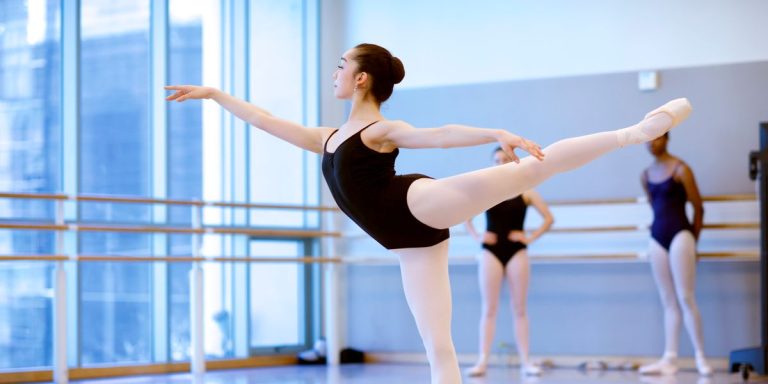
I noticed that improved balance came from repeating stable alignment rather than holding positions longer. The body learned how to organize itself efficiently. Over time, balance felt less effortful.
This automatic organization is the result of repeated, accurate practice. Muscle memory makes balance dependable.
Muscle Memory and Injury Prevention
Good muscle memory supports safe movement patterns. When the body knows how to align joints and distribute force, injury risk decreases. I felt safer performing complex choreography once supportive patterns were ingrained.
Conversely, poor muscle memory increases strain. Repeated stress on vulnerable areas leads to overuse injuries. Correcting these patterns requires slowing down and rebuilding pathways.
Muscle memory protects the body when built with intention. It becomes a form of physical intelligence.
Mental Focus and Muscle Memory
Muscle memory reduces cognitive load. When movement is automatic, the mind can focus on expression and connection. I found that performance quality improved once technical details no longer demanded constant attention.
This mental freedom allows dancers to respond creatively. Musical interpretation becomes richer. Presence replaces overthinking.
Strong muscle memory creates confidence. Trusting the body enhances both performance and enjoyment.
How Long It Takes to Build Muscle Memory
Muscle memory does not form overnight. It develops through consistent, focused practice over time. I noticed that rushed learning rarely lasted, while slow, steady repetition created lasting results.
The nervous system needs time to adapt. Rest and recovery play a role in solidifying patterns. Repetition spread over time is more effective than intense short bursts.
Patience is essential. Mastery grows quietly through regular reinforcement.
The Importance of Slow Practice
Slow practice allows the nervous system to absorb details. I found that slowing down revealed gaps in coordination and alignment. These gaps often disappeared once addressed carefully.
Practicing slowly reduces compensation and tension. It teaches the body how to move efficiently. Speed can return later without sacrificing control.
Slow practice builds precise muscle memory. It lays the groundwork for reliable performance at full speed.
Muscle Memory and Emotional Expression
Emotion influences how muscle memory is expressed. Familiar movements allow emotion to surface without disrupting technique. I noticed that expressive freedom increased once movement patterns felt secure.
When the body is confident, emotion does not interfere with control. Instead, it enhances quality. This balance creates compelling performance.
Muscle memory supports expression by removing fear. The body feels prepared to handle intensity.
Breaking Old Patterns
Unlearning is part of mastery. Breaking old muscle memory requires awareness and consistency. I had to consciously slow down and re-pattern movements that no longer served me.
This process often felt uncomfortable. The body resisted change because familiarity felt safe. Persistence gradually replaced old habits with better ones.
Re-patterning demands patience. It is a necessary step toward refinement.
Muscle Memory in Group Work
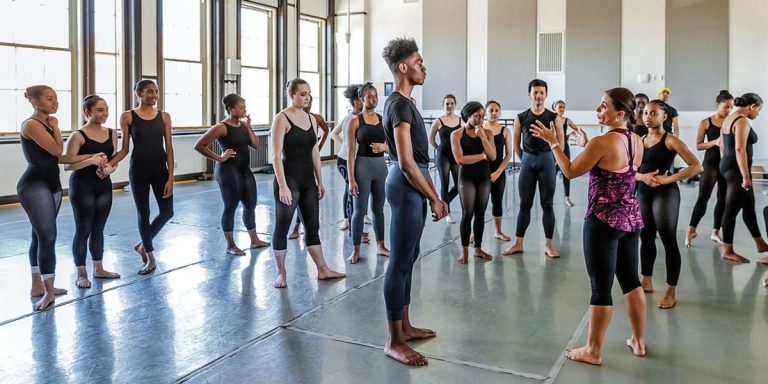
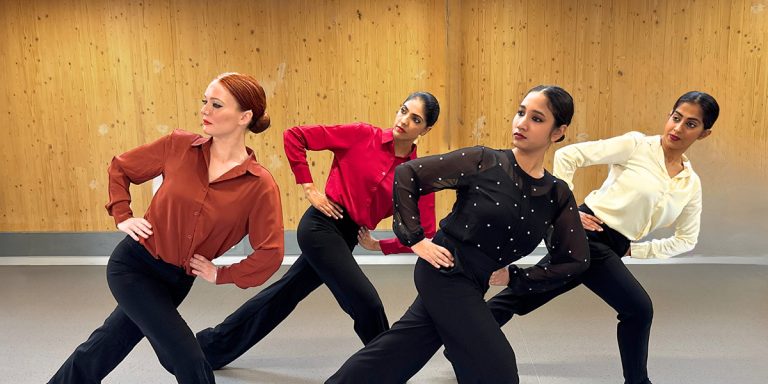
In group settings, muscle memory supports synchronization. Shared patterns allow dancers to move together without constant visual cues. I noticed stronger cohesion when movement patterns were deeply ingrained.
This shared physical language creates unity. Group timing improves, and spacing becomes more consistent. The performance feels connected.
Muscle memory builds trust within ensembles. It allows dancers to rely on each other.
The Role of Feedback
Feedback shapes muscle memory. External cues guide correction and refinement. I learned to value feedback as information rather than criticism.
Incorporating feedback early prevents faulty patterns from settling. The body responds quickly when corrections are clear. Repetition then reinforces the improved version.
Feedback accelerates learning. It directs muscle memory toward efficiency and clarity.
Muscle Memory Beyond the Studio
Muscle memory extends into daily movement. Posture, walking, and habitual gestures reflect training. I noticed that dance patterns influenced how I carried myself outside the studio.
This integration supports consistency. The body remains organized throughout the day. Movement quality improves overall.
Dance becomes part of how the body exists, not just how it performs.
Refinement at Advanced Levels
At advanced stages, muscle memory becomes subtle. Small refinements make significant differences. I focused on sensation rather than appearance to adjust patterns.
Advanced mastery depends on sensitivity. The body learns to recognize minor inefficiencies and correct them automatically. This refinement requires attentive practice.
Muscle memory continues evolving. Mastery is an ongoing process.
Final Thoughts
Muscle memory is the foundation that supports dance mastery. It allows movement to flow without constant thought, freeing space for expression and connection. Built with intention, it becomes a reliable partner rather than a rigid habit.
True mastery comes from repetition guided by awareness. Muscle memory transforms effort into ease and technique into instinct. When the body knows, the dance can truly speak.