How Proper Alignment Can Instantly Improve Your Dance Technique
Proper alignment changed the way my body feels, moves, and communicates on the dance floor. The shift did not come from adding more hours of practice or chasing harder choreography, but from paying close attention to how my body stacks, balances, and supports itself in motion. Alignment is one of those concepts that sounds subtle, almost invisible, yet it has a powerful and immediate impact on technique, control, and confidence.
I have danced long enough to know that technique is not only about flexibility, strength, or musicality. It is about how efficiently the body works as a system. When alignment is off, even slightly, the body compensates in ways that limit range, drain energy, and increase the risk of injury. When alignment is right, everything suddenly feels clearer, lighter, and more intentional.
This article explores how proper alignment can instantly improve dance technique, not as an abstract theory but as a lived, physical experience. I will break down what alignment means in practical terms, how it affects balance and movement quality, and why small adjustments can produce dramatic results across dance styles.
Alignment As the Foundation of Technique
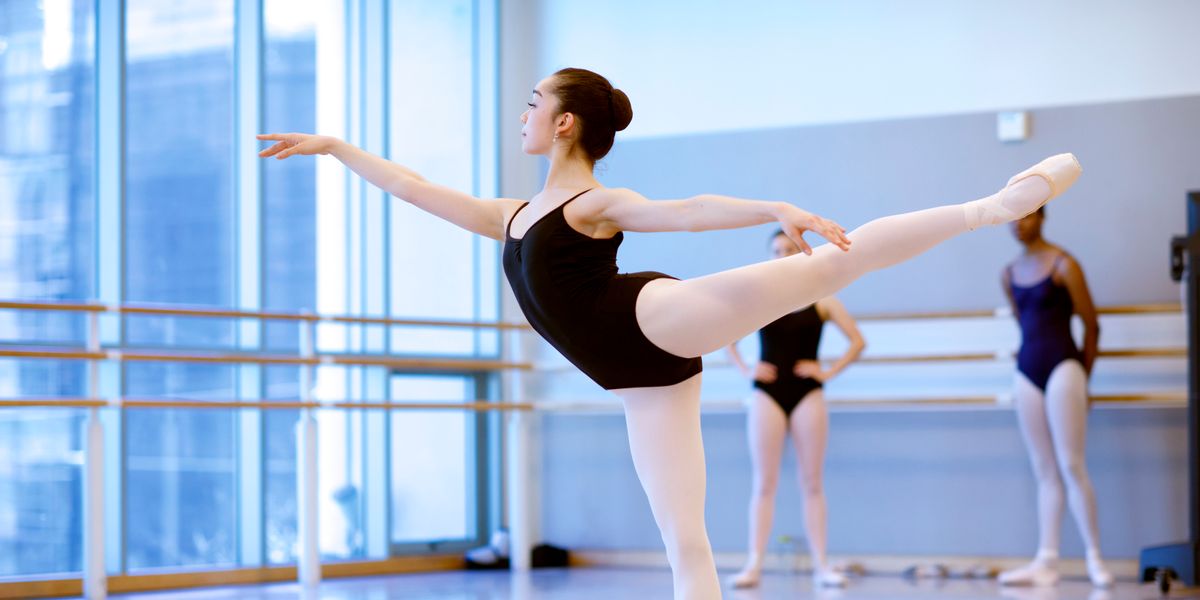
Alignment is the way the head, shoulders, spine, pelvis, knees, and feet relate to one another in both stillness and motion. In dance, it is not a rigid position frozen in time but a dynamic relationship that constantly adapts as the body moves through space. Good alignment allows joints to stack efficiently, muscles to engage appropriately, and energy to flow without unnecessary tension.
I noticed early on that whenever something felt difficult for no clear reason, alignment was usually the culprit. Turns felt unstable, jumps felt heavy, and extensions required excessive effort. The moment I corrected how my weight was distributed or how my spine was organized, the same movement became easier without adding strength or flexibility.
Technique improves instantly because alignment removes obstacles. Instead of fighting against my own body, I started working with it. That shift alone changed the quality of my dancing in ways that no combination or drill ever had.
The Relationship Between Alignment and Balance
Balance is one of the most obvious areas where alignment makes an immediate difference. I used to assume balance was mostly about core strength or ankle stability. While those elements matter, they cannot fully compensate for poor alignment.
When the body is properly aligned, the center of mass stays over the base of support. That simple relationship allows balance to feel calm and sustainable rather than tense and reactive. I found that standing on one leg suddenly felt more secure once my pelvis was neutral, my ribs were not flaring, and my head was truly stacked over my spine.
Poor alignment forces the body to rely on gripping muscles to stay upright. Proper alignment lets balance emerge naturally. That change is not subtle. It is immediate, noticeable, and deeply freeing, especially in styles that demand sustained balances or controlled transitions.
How Alignment Improves Turns Instantly
Turns were one of the first places where I felt the impact of alignment. No matter how much I practiced spotting or strengthening my legs, my turns remained inconsistent. Some days they worked, other days they fell apart without warning.
Once I focused on alignment, the inconsistency made sense. A slight shift in the pelvis or a collapsed supporting side was enough to throw the entire turn off axis. By stacking my joints more carefully and aligning my spine vertically, turns became more predictable and efficient.
Proper alignment allows rotational force to travel cleanly through the body. Instead of wobbling or fighting centrifugal force, I felt centered within it. The improvement was immediate, not gradual, which made alignment impossible to ignore.
Alignment and Movement Efficiency
Efficiency in dance is about achieving more with less effort. Alignment plays a central role in this because it determines how muscles share the workload. When the body is aligned, large muscles support movement while smaller stabilizers assist rather than overwork.
Before paying attention to alignment, I often felt exhausted after rehearsals that did not seem physically extreme. My body was working harder than necessary because misalignment forced certain muscles to compensate constantly. Correcting alignment redistributed effort more evenly across the body.
Movements that once felt strenuous began to feel sustainable. Phrases flowed instead of dragging, and stamina improved without increasing conditioning. That kind of efficiency translates directly into stronger technique and cleaner execution.
The Spine as the Central Axis
The spine acts as the central axis around which all movement organizes. Alignment of the spine influences posture, balance, coordination, and expressive range. I discovered that even small deviations in spinal alignment had far-reaching effects.
When my spine was compressed or overarched, my movement quality suffered. Breath felt restricted, arms disconnected, and transitions lacked clarity. Lengthening the spine without stiffening it allowed movement to originate from a place of support rather than tension.
Proper spinal alignment also enhanced musicality. With a free and organized spine, I could respond to dynamics and phrasing more intuitively. Technique became less mechanical and more responsive, which is the sweet spot every dancer aims for.
Pelvic Alignment and Power Generation
The pelvis is a key player in alignment because it connects the upper and lower body. Its position affects turnout, leg height, balance, and power. I used to overlook pelvic alignment, assuming it would sort itself out through training.
That assumption proved costly. An anterior or posterior tilt changed how my legs moved and limited the range of motion in my hips. Once I addressed pelvic alignment directly, jumps felt more explosive and landings more controlled.
Proper pelvic alignment allows force to transfer efficiently from the legs through the torso. That efficiency shows up instantly in jumps, quick directional changes, and grounded movements. Power becomes accessible without strain, which is a game changer for technique.
Alignment of the Head and Neck
The head often gets ignored in discussions of alignment, yet it has a disproportionate impact on balance and coordination. The head is heavy, and even small shifts forward or backward can disrupt the entire system.
I noticed that lifting my chin or tucking it excessively affected turns and traveling steps. Aligning the head so it floated easily atop the spine improved spatial awareness and stability. Movement felt less effortful, especially during complex sequences.
Proper head alignment also enhances presence. When the head is aligned, the gaze becomes intentional rather than strained. That subtle shift improves not just technique but performance quality as well.
How Alignment Reduces Injury Risk
Injuries often stem from repeated stress on misaligned joints. I learned this lesson the hard way through persistent aches that seemed unrelated to workload. Alignment issues were quietly placing strain on certain areas while others underperformed.
Correcting alignment redistributed forces more evenly across joints and muscles. Knees tracked more safely over toes, ankles absorbed impact more effectively, and the lower back stopped compensating for poor pelvic positioning.
While injury prevention is a long-term benefit, some relief is immediate. Movements feel smoother, joints feel supported, and the body signals less resistance. That sense of safety allows technique to improve without fear holding it back.
Alignment Across Different Dance Styles
Alignment is not style-specific, but its expression varies across genres. Ballet, contemporary, jazz, hip hop, and social dances all require different shapes and dynamics, yet the underlying principles of alignment remain consistent.
I found that once alignment improved in one style, it carried over into others. Balance in ballet enhanced control in contemporary. Grounded alignment in hip hop improved clarity in jazz. The body recognized efficient organization regardless of aesthetic demands.
Proper alignment provides a neutral starting point from which stylistic choices become intentional rather than compensatory. That clarity strengthens technique across the board while preserving each style’s unique character.
The Mental Aspect of Alignment
Alignment is as much a mental practice as a physical one. Awareness plays a crucial role because the body often defaults to familiar patterns, even when they are inefficient. I had to retrain my perception of what felt normal.
At first, proper alignment felt unfamiliar, even wrong. Over time, that sensation shifted as the body adapted. Paying attention without overcorrecting was key to making alignment sustainable rather than forced.
This mental engagement sharpened focus during practice. Technique improved not just because alignment was better, but because awareness was deeper. That combination creates meaningful, lasting change.
Alignment in Motion, Not Just Stillness
One common misconception is that alignment only matters in static positions. In reality, alignment must be maintained and adjusted dynamically as the body moves. I learned quickly that holding a perfect posture meant nothing if it collapsed during transitions.
Practicing alignment within movement revealed where habits broke down. Certain steps exposed weaknesses that static exercises never did. Addressing those moments improved overall technique more effectively than isolated drills.
Dynamic alignment allows technique to hold up under speed, complexity, and fatigue. That resilience is what separates clean execution from inconsistent performance.
Breath and Alignment
Breath and alignment are deeply connected. Restricted alignment limits breathing, while free alignment supports it. I noticed that shallow breath often accompanied tension and misalignment, especially in demanding sequences.
Allowing breath to move naturally through the ribcage supported spinal alignment and eased unnecessary tension. Movements felt fuller and more controlled without feeling forced.
Proper alignment creates space for breath, and breath reinforces alignment. This feedback loop enhances endurance, expression, and technical clarity in equal measure.
How Small Adjustments Create Big Changes
One of the most encouraging aspects of alignment is how small changes can yield immediate results. A slight shift of weight, a subtle lift through the spine, or a gentle repositioning of the pelvis can transform a movement.
I experienced moments where a correction took seconds but changed everything. Suddenly, a balance held longer or a turn completed effortlessly. Those moments built trust in the process.
Technique does not always require dramatic overhauls. Often, it improves through precise, thoughtful adjustments that align the body more intelligently.
Integrating Alignment Into Daily Practice
Consistency matters when working with alignment. I began integrating alignment checks into warm-ups, combinations, and cooldowns. This approach prevented alignment from becoming an isolated concept divorced from real dancing.
Over time, alignment awareness became automatic rather than analytical. The body started organizing itself more efficiently without constant conscious effort.
That integration is where lasting improvement happens. Alignment stops being something to fix and becomes something the body naturally maintains.
Alignment and Artistic Freedom
Technical improvement is not the end goal of alignment, but a means to greater artistic freedom. When the body is aligned, movement options expand rather than contract. Choices feel intentional instead of limited by physical constraints.
I found that expression deepened as technique stabilized. Freed from constant physical correction, attention shifted toward musicality, storytelling, and connection.
Proper alignment supports artistry by removing unnecessary struggle. The body becomes a reliable instrument rather than an obstacle.
Final Thoughts
Proper alignment can instantly improve dance technique because it addresses the root of how the body moves, balances, and generates power. The changes may appear subtle, but their impact is immediate and profound. Technique becomes clearer, movement becomes more efficient, and the body feels supported rather than strained.
My experience with alignment reshaped not only how I dance, but how I practice and perceive my body. It taught me that progress does not always come from pushing harder, but from organizing better. Alignment offers a direct path to stronger technique, greater confidence, and more expressive dancing.
Focusing on alignment is not about perfection. It is about awareness, efficiency, and respect for the body’s design. When those elements come together, improvement is not just possible, it is inevitable.