What Makes a Great Dance Teacher?
Great dance teachers shape far more than technique. They influence confidence, discipline, curiosity, and the way dancers relate to their own bodies and creativity. Over the years, I have encountered many teaching styles, and the differences between competent instructors and truly great dance teachers become clear with time. The best ones leave an imprint that extends well beyond the studio.
A great dance teacher is not defined by reputation alone or by the level they once performed at. Teaching is its own craft, requiring awareness, adaptability, and emotional intelligence. The impact of a teacher often reveals itself quietly, through how students grow, stay motivated, and continue dancing long after classes end. Great teaching is felt in progress that feels earned rather than forced.
Clear Communication Without Overcomplication
Clarity sits at the center of effective dance teaching. A great dance teacher communicates ideas in a way that matches the level and needs of the students in front of them. Instructions feel purposeful rather than overwhelming. Dancers know what to focus on and why it matters.
Clear communication does not mean oversimplifying. It means prioritizing what matters most in the moment. A great teacher understands when to give detailed explanation and when a single image or cue is enough. This balance keeps students engaged without drowning them in information.
Deep Knowledge Paired With Humility
Strong technical knowledge is essential, but it is not enough on its own. A great dance teacher understands anatomy, movement principles, and stylistic foundations while remaining open to growth. They do not pretend to know everything. Curiosity continues long after formal training ends.
Humility shows up in how teachers listen and adapt. They recognize that bodies differ and that methods evolve. A great teacher updates their approach when something no longer serves students. Knowledge becomes a living resource rather than a fixed authority.
The Ability to See the Individual
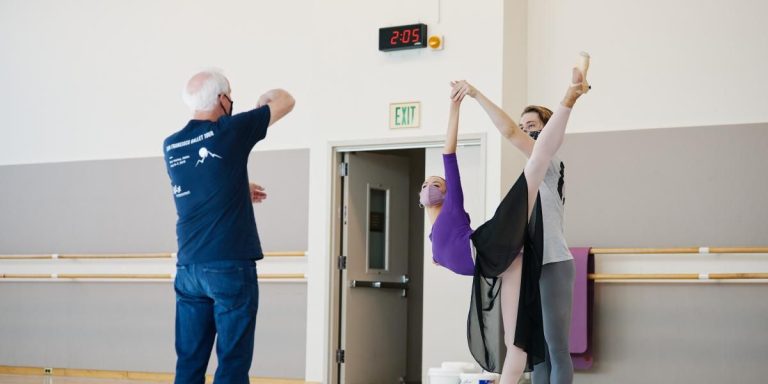
No two dancers learn in exactly the same way. A great dance teacher notices this and responds accordingly. Corrections are tailored rather than generic. Students feel seen instead of compared.
This individualized attention builds trust and confidence. Dancers are more willing to take risks when they feel understood. Great teachers observe not just movement but energy, effort, and emotional state. Teaching becomes relational rather than transactional.
Consistency Without Rigidity
Consistency creates safety in the studio. A great dance teacher sets clear expectations and follows through on them. Students know what kind of environment they are walking into. This reliability allows dancers to focus fully on their work.
At the same time, rigidity has no place in great teaching. Flexibility allows the teacher to respond to what is actually happening in the room. Plans adjust when needed. Structure exists to support learning, not to restrict it.
The Skill of Giving Effective Feedback
Feedback can either build dancers up or slowly shut them down. A great dance teacher understands this responsibility deeply. Corrections are specific, actionable, and delivered with intention. Students leave knowing how to improve rather than what they did wrong.
Tone matters as much as content. Great teachers balance honesty with encouragement. They correct without shaming and praise without exaggeration. Feedback becomes a tool for growth rather than a source of fear.
Creating a Safe Learning Environment
A great dance teacher creates a studio where students feel physically and emotionally safe. Mistakes are treated as part of the process rather than failures. Questions are welcomed rather than discouraged. This atmosphere supports risk-taking and deeper learning.
Safety does not mean lowering standards. It means separating self-worth from performance. Dancers can work hard without feeling threatened. A supportive environment allows students to challenge themselves honestly.
Respect for the Body
Great dance teachers respect the body as a living system, not a machine to be pushed endlessly. They recognize signs of fatigue, pain, and strain. Injury prevention and recovery are part of the conversation, not an afterthought. Longevity matters more than short-term results.
This respect shapes how exercises are taught and corrected. Teachers offer options and modifications when needed. Students learn to listen to their bodies rather than override them. Healthy habits become part of training culture.
Encouraging Curiosity and Agency
Great teachers encourage dancers to think for themselves. They invite curiosity rather than passive imitation. Students are asked to notice, question, and reflect. Learning becomes participatory instead of one-directional.
Agency builds confidence and independence. Dancers learn how to self-correct and self-direct. A great teacher prepares students to function beyond the studio. Education extends past memorization into understanding and application.
Emotional Intelligence in the Studio
Dance training often intersects with vulnerability. A great dance teacher reads emotional cues as carefully as physical ones. They sense when motivation dips or pressure builds. Responses are thoughtful rather than reactive.
Emotional intelligence helps teachers navigate challenges with care. They address tension without escalating it. They celebrate effort during difficult periods. This awareness strengthens the teacher-student relationship and keeps learning sustainable.
Passion That Inspires Without Intimidating
Passion is contagious when expressed authentically. A great dance teacher loves the work and shares that energy generously. Enthusiasm motivates students without making them feel inadequate. Inspiration replaces intimidation.
This passion shows up in preparation, presence, and commitment. Teachers remain engaged rather than going through the motions. Students feel the difference. Passion reminds dancers why the work matters.
Adaptability Across Levels and Contexts
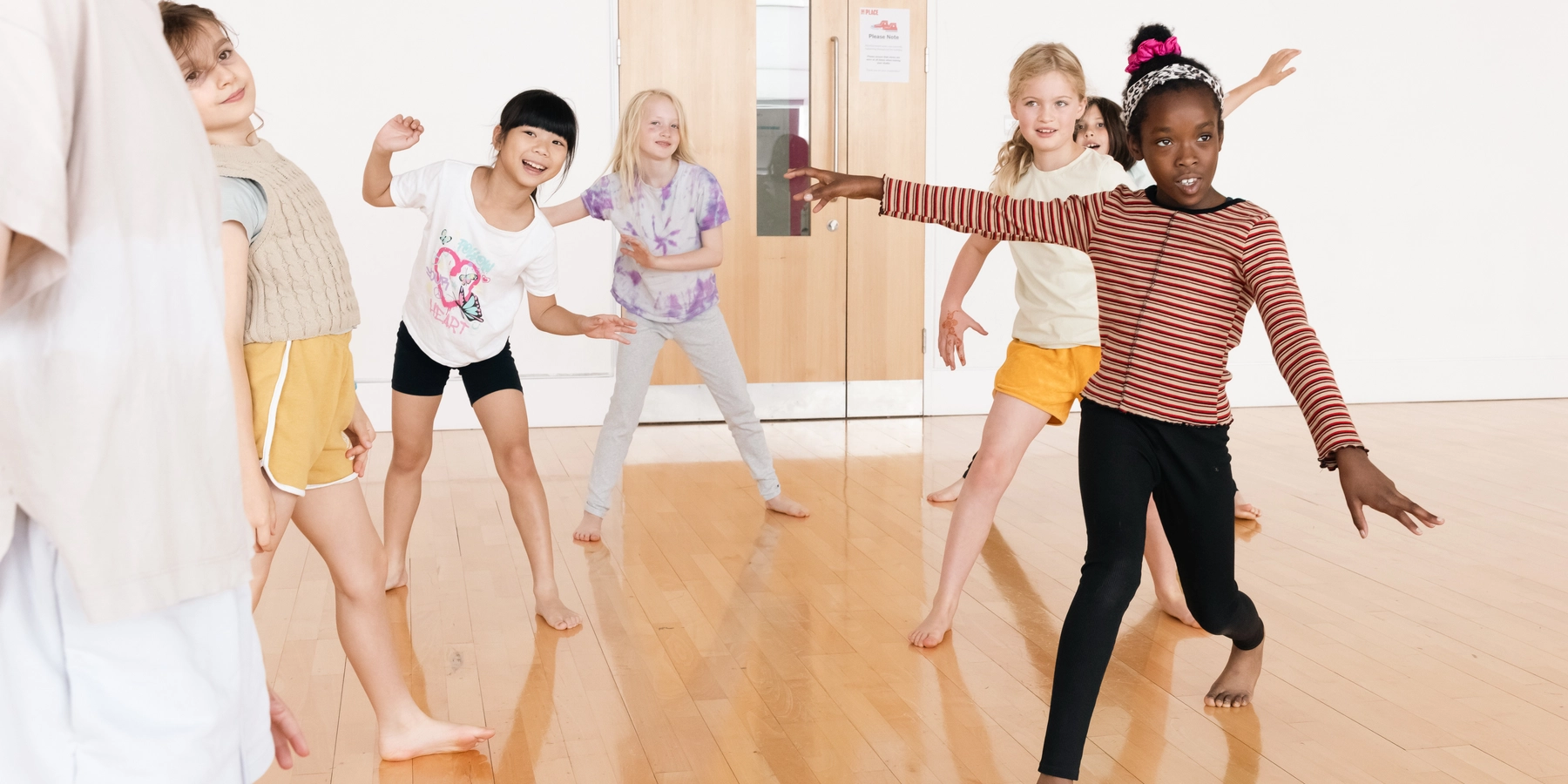
Teaching beginners requires different skills than teaching advanced dancers. A great dance teacher adapts seamlessly across levels. They meet students where they are without lowering expectations. Progress feels achievable yet challenging.
Adaptability also applies to context. Different studios, cultures, and age groups require different approaches. Great teachers adjust language, pacing, and goals accordingly. Teaching remains responsive rather than formulaic.
Leading by Example
Great dance teachers model the qualities they expect from students. Discipline, respect, curiosity, and professionalism are demonstrated daily. Actions align with words. Students learn as much from behavior as from instruction.
Leading by example builds credibility. Teachers who embody their values create strong studio cultures. Dancers internalize standards naturally. Leadership becomes lived rather than imposed.
Balancing Structure and Freedom
Great dance teachers know when to guide and when to step back. Structure provides direction, while freedom allows exploration. Balancing these elements keeps training dynamic. Neither dominates the experience.
Students benefit from both clarity and choice. Structure supports progress. Freedom supports ownership. A great teacher holds space for both without losing focus.
Supporting Long-Term Growth
Short-term improvement is easy to measure. Long-term development requires patience and vision. A great dance teacher looks beyond immediate results. They consider where students are headed, not just where they are now.
This perspective influences pacing and expectations. Teachers avoid pushing too fast at the expense of sustainability. Growth becomes cumulative rather than rushed. Students build skills that last.
Openness to Feedback and Reflection
Great teachers reflect on their own practice regularly. They consider what works and what does not. Feedback from students and peers is taken seriously rather than defensively. Teaching evolves through reflection.
This openness models lifelong learning. Students see that growth does not stop with expertise. A reflective teacher stays relevant and effective. Teaching becomes a dialogue rather than a monologue.
Respect for Different Goals
Not every student wants the same outcome from dance. A great dance teacher respects this diversity of goals. Some train professionally, others for personal fulfillment. All deserve thoughtful instruction.
This respect shapes expectations and communication. Teachers guide without imposing their own ambitions. Success is defined collaboratively. Students feel supported rather than pressured into a single path.
Cultivating Discipline Without Fear
Discipline thrives when rooted in purpose rather than fear. A great dance teacher fosters commitment through clarity and motivation. Students work hard because they care, not because they are afraid to fail. Effort becomes internally driven.
This approach builds resilience. Dancers learn to persist through challenges without self-punishment. Discipline becomes a habit rather than a reaction. Teaching supports strength without harshness.
The Ability to Inspire Trust
Trust forms the foundation of meaningful teaching relationships. A great dance teacher earns trust through consistency, fairness, and respect. Students believe that corrections serve their growth. Vulnerability feels safe.
Trust allows dancers to push beyond comfort zones. They accept guidance without defensiveness. Learning accelerates when trust is present. The studio becomes a space for honest effort.
Leaving Space for Joy
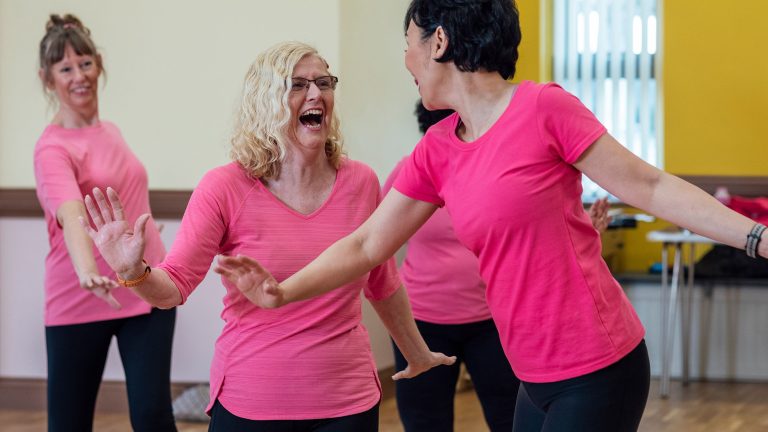
Amid discipline and progress, joy remains essential. A great dance teacher remembers this. Moments of play, laughter, and shared satisfaction are woven into training. Joy sustains commitment over time.
Joy reminds dancers why they began. It balances intensity with pleasure. Great teaching honors both effort and delight. Dance remains a source of connection rather than obligation.
Final Thoughts
What makes a great dance teacher cannot be reduced to credentials or accolades. Great teaching lives in awareness, adaptability, and genuine care for students as individuals. Technique matters, but how it is taught matters more. The best teachers create environments where dancers feel challenged, supported, and inspired to grow.
A great dance teacher leaves students stronger not only in movement but in confidence and curiosity. Their influence continues long after class ends. Teaching at its best shapes dancers who think, feel, and move with intention.